At INESCTEC.OCEAN, our mission goes far beyond developing cutting-edge marine technology. We are driven by a broader commitment: ensuring that innovation supports a sustainable evolution of how humanity harvests food from the sea. As global demand for protein rises and marine ecosystems face unprecedented pressures, advancing technology alone is not enough — we must rethink the way we interact with the ocean itself.
Traditional fishing models, even when supported by advanced equipment, are no longer capable of meeting demand without compromising the health of marine ecosystems. Overfishing, the degradation of habitats, climate change, and the cumulative effects of human activity continue to erode the resilience of the ocean. At the same time, consumers increasingly depend on the sea not only for fish, but also for alternative protein sources such as marine algae and other emerging blue-biotech resources.
Recognising these challenges, INESCTEC.OCEAN advocates for a holistic, ecosystem-aligned approach to food and protein production, in which technology works hand in hand with ecological principles. Our research aims to support a transition from extractive practices to regenerative ones — where harvesting from the sea contributes to replenishing resources rather than depleting them.
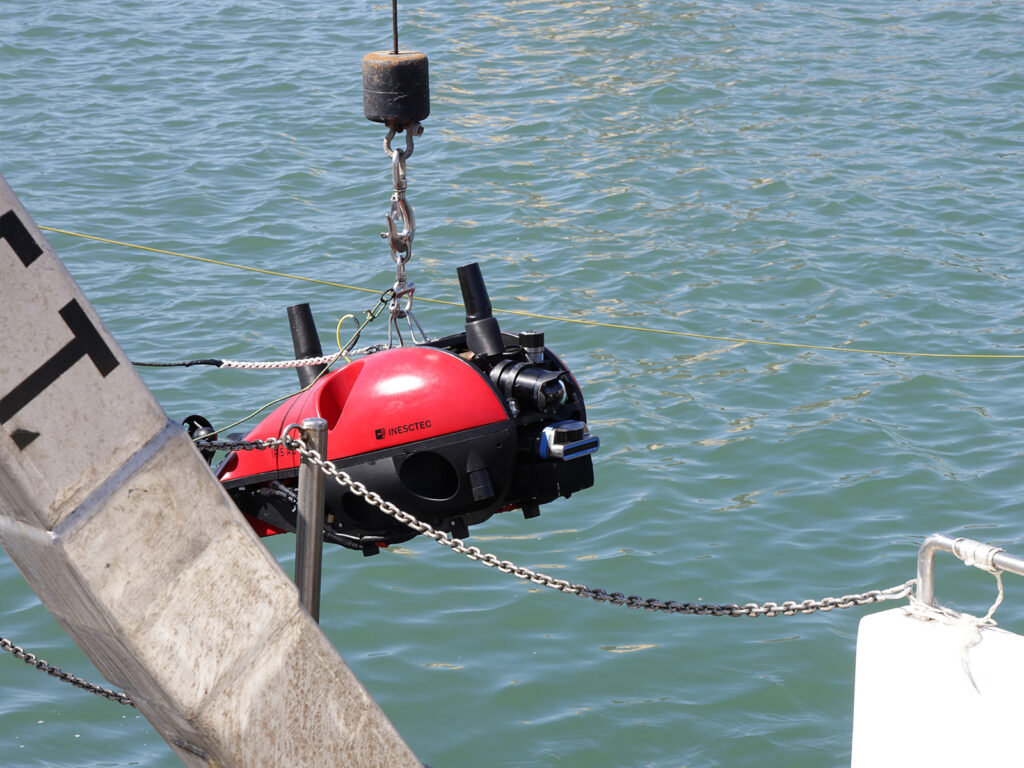
One promising example is the development of intelligent herding-based fisheries systems, where autonomous marine robots assist in guiding and monitoring natural fish populations in the open ocean. Rather than forcing production through intensive aquaculture or damaging fishing gears, this approach leverages natural ecosystems and enhances them with minimal intervention. Fish grow under optimal environmental conditions, biodiversity is protected, and harvesting becomes selective and sustainable.
But our vision does not stop at fisheries. The future of marine food systems must also include responsible cultivation and collection of algae and other low-trophic-level organisms, which offer nutritious, low-impact alternatives to traditional protein sources. Algae production, when integrated with advanced monitoring, robotics, and ecological modelling, has the potential to reduce carbon footprints, improve coastal resilience, and diversify the global food portfolio.
INESCTEC.OCEAN’s interdisciplinary work brings together marine biology, robotics, artificial intelligence, blue biotechnology, and environmental sciences to design solutions that respect marine ecosystems while supporting human needs. We believe that the ocean can — and must — remain a major provider of sustainable food, but only if innovation is guided by responsibility, scientific understanding, and long-term stewardship.
As we navigate the UN Decade of Ocean Science for Sustainable Development, our commitment is clear: technology should be a tool to regenerate the ocean, not exploit it. By aligning scientific excellence with ecological integrity, INESCTEC.OCEAN aims to help transform the way we collect, cultivate, and consume marine food resources — from fish to algae and beyond.
The future of the Blue Economy depends not only on what we can invent, but on how wisely we choose to use it.
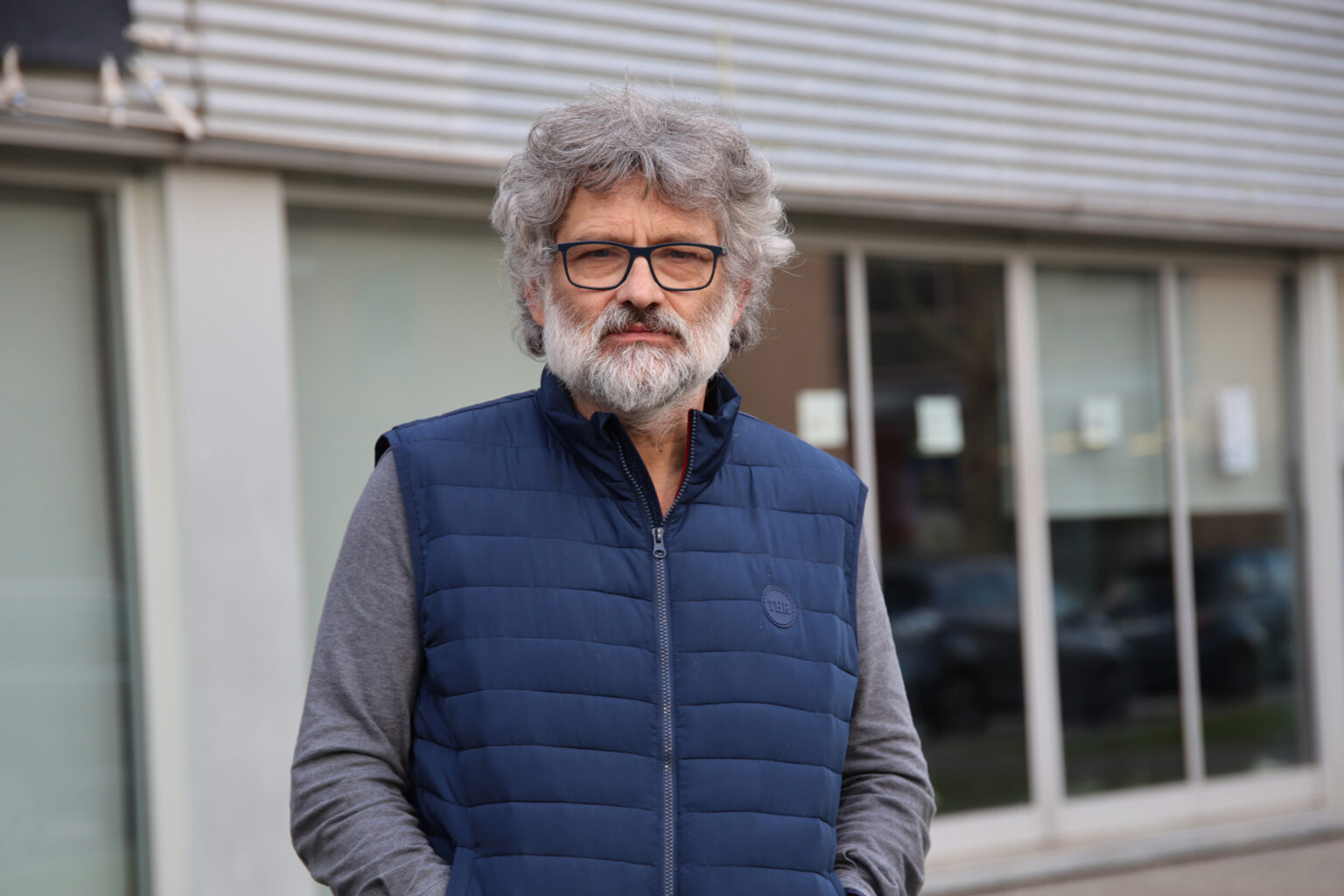
Eduardo Silva, INESCTEC.OCEAN’s Scientific Coordinator and INESC TEC Senior Researcher