At a time when Portugal is strengthening its Atlantic ambition and seeking to position itself as a European reference in the Blue Economy, the creation of INESCTEC.OCEAN as a Centre of Excellence in Ocean Research & Engineering represents a strategic opportunity, but also a structural challenge.
Beyond reinforcing and centralising the necessary scientific and technological competences, it is essential to design a governance model capable of articulating academic, industrial and public interests, aligning long-term priorities with short funding cycles, and simultaneously ensuring operational agility and institutional legitimacy. The construction of such a model requires clear choices regarding leadership, participation, decision-making mechanisms and value-sharing, lest the Centre’s transformative potential be constrained by strategic ambiguities or by an organisational architecture misaligned with its mission.
The governance of a new entity entails establishing the framework, structures and processes through which that entity will be directed, managed and held accountable. In practical terms, this includes defining who makes decisions, how those decisions are taken, and how oversight and accountability mechanisms are ensured.
In the near, medium term, it will be necessary to define the legal form of INESCTEC.OCEAN and to establish its governing bodies, clarify roles and responsibilities, competences, reporting structures, compliance mechanisms to ensure integrity and transparency, as well as codes of conduct and ethics, among other core aspects of governance.
To ensure that governance structures effectively support the long-term strategy and promote alignment among the various stakeholders, it is essential — in addition to identifying those stakeholders — to define communication channels and participation mechanisms that guarantee their structured and continuous involvement.
The construction of a robust and appropriate governance model can and should result from a collaborative and participatory process, gaining quality, legitimacy and resilience when developed with the involvement of the main stakeholders.
Their participation makes it possible to incorporate different perspectives — scientific, institutional, industrial and regulatory — anticipate conflicts, clarify expectations and strengthen commitment to the decisions taken. Moreover, a collaborative process tends to improve strategic alignment and facilitate the future implementation of the model, as the relevant actors recognise themselves in the solutions designed.
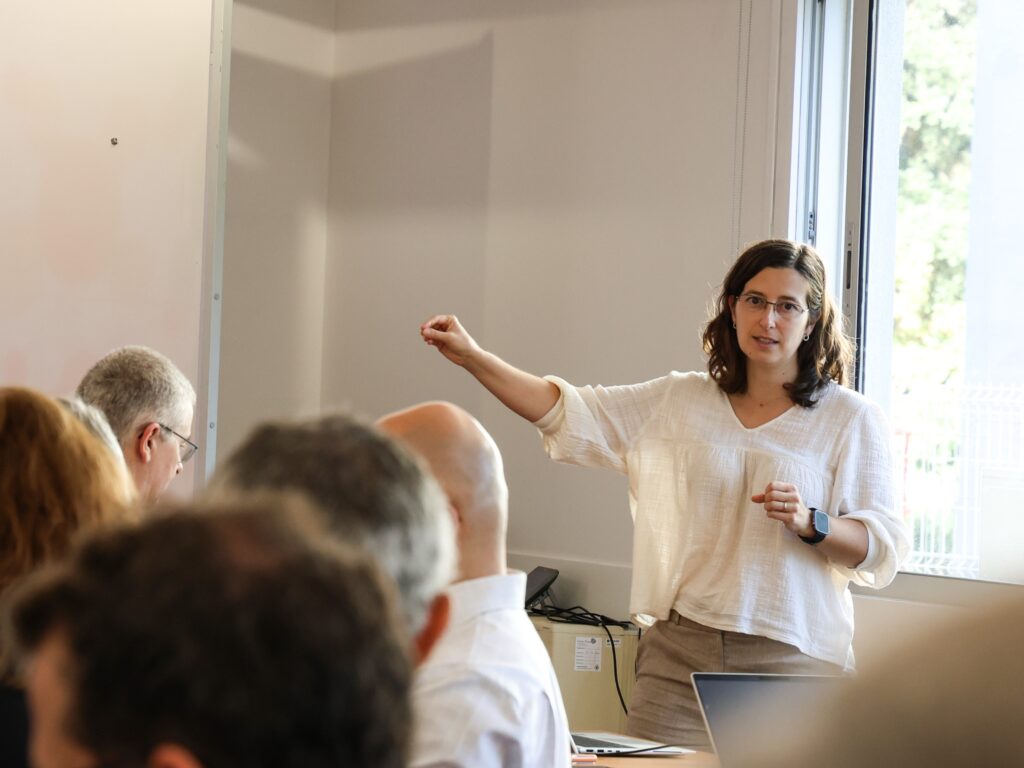
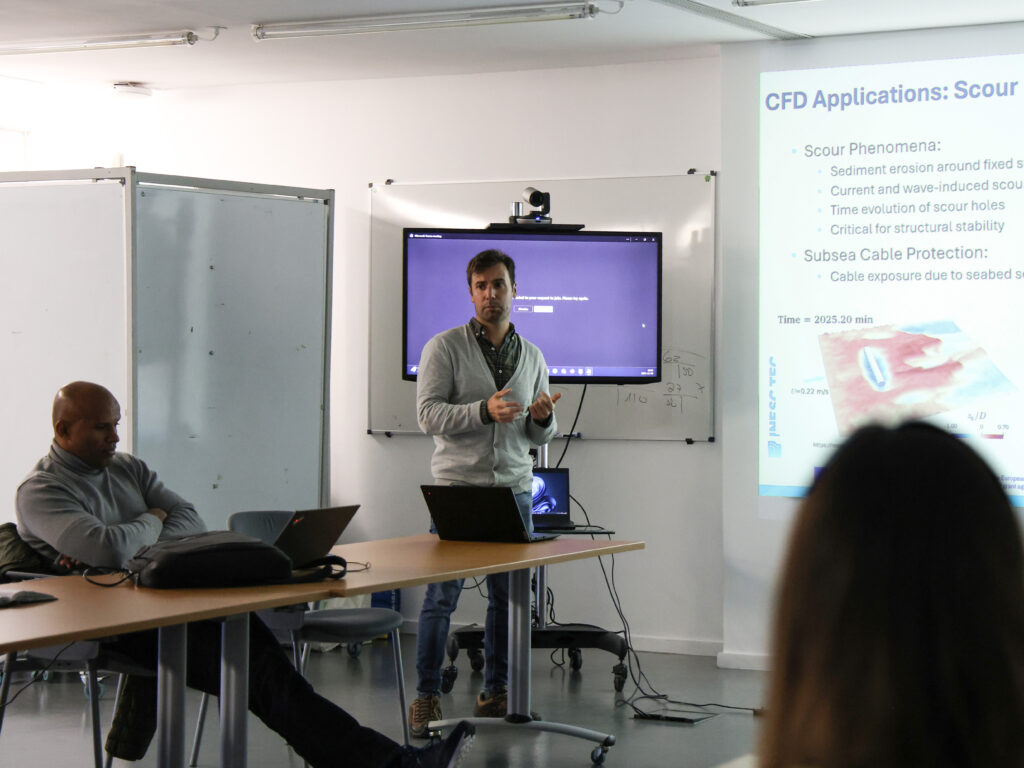
In this regard, collaborative workshops have been organised as structured spaces for reflection and co-creation, enabling the discussion of guiding principles, clarification of roles and responsibilities, identification of risks and testing of different institutional architecture solutions. These moments not only enhance the technical quality of the proposed model but also reinforce the legitimacy of the process and the collective commitment to its future implementation.
It will, however, inevitably be a complex exercise marked by multiple challenges, among which the divergence of interests and priorities stands out. Reconciling distinct expectations and integrating them into a common governance model may generate tensions, particularly where different strategic visions, time horizons and success criteria are at stake.
Within INESCTEC.OCEAN, the way in which these challenges are managed will have a direct impact on its credibility and its capacity for delivery. The governance model will be the foundation upon which its operation and its future impact will rest, enabling the Centre to play a key role in ocean preservation and the sustainable use of marine resources in Europe and globally.
Marta Barbas, member of the management team responsible for the Governance Strategy at INESCTEC.OCEAN and Executive Advisor to the Board of Directors at INESC TEC