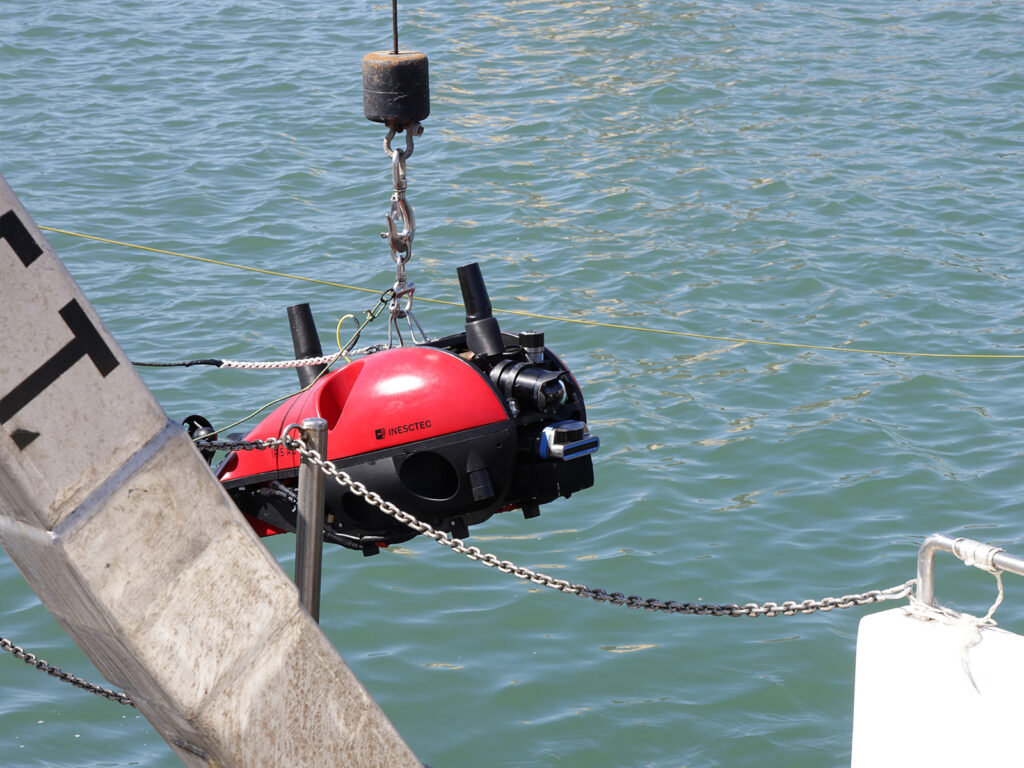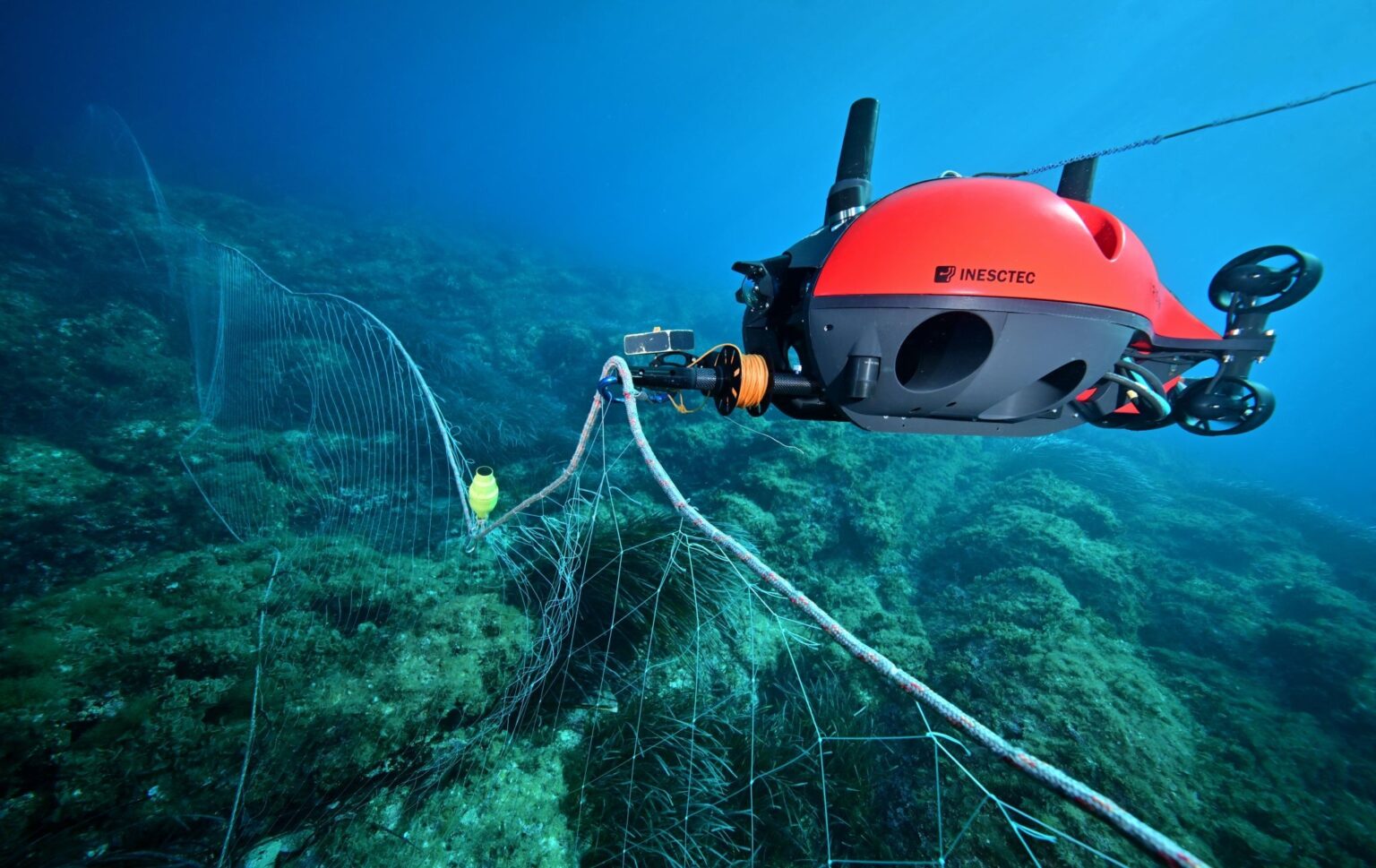
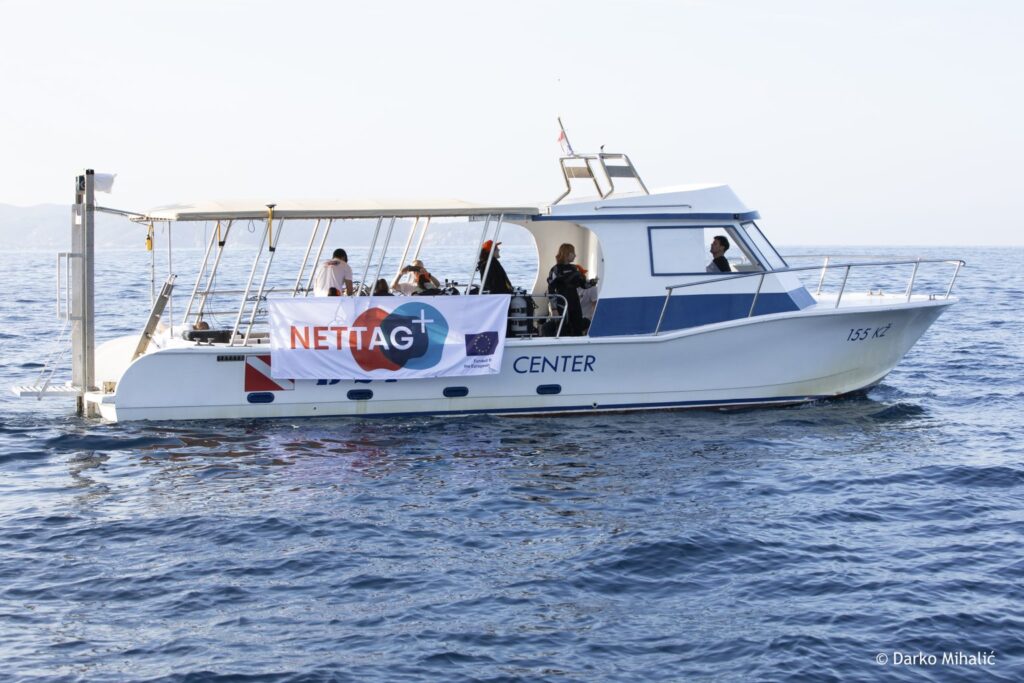
Following earlier tests in Italy, INESC TEC researchers have returned to the Mediterranean Sea for a new round of demonstrations under the NETTAG+ project, this time off the coast of the island of Vis, in Croatia. Supported by the autonomous vehicle IRIS, the goal was to test the tools developed to locate lost fishing nets on the seabed.
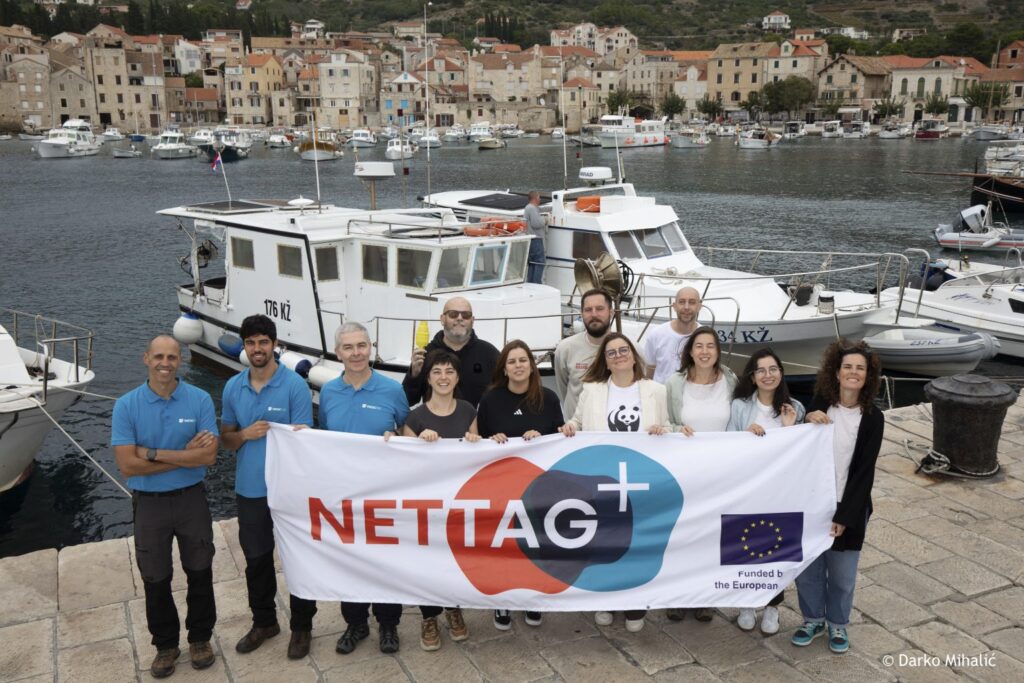
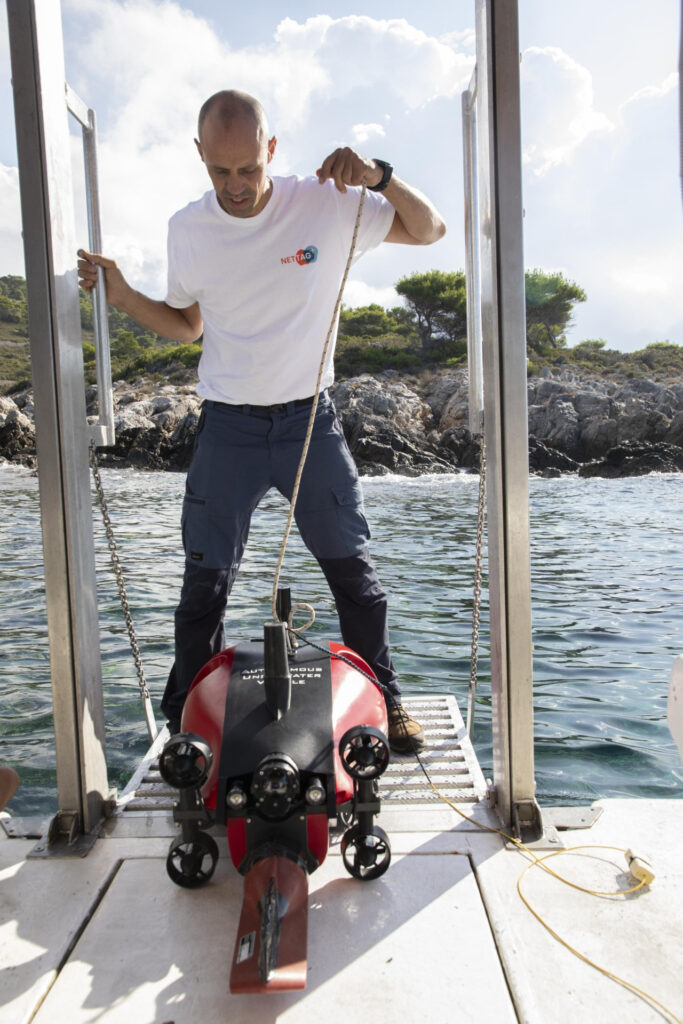
In the Adriatic Sea, INESC TEC researchers Alfredo Martins, Carlos Almeida and Pedro Silva contributed to new NETTAG+ demonstrations – a European project aimed at tackling the harmful impact of fishing gear abandoned on the seabed. Using the “robotic vehicle IRIS, the team deployed acoustic sensor tests to identify ‘ghost’ fishing gear”, explained Carlos Almeida.
The researcher mentioned that, “as a partner in this project [NETTAG+], INESC TEC is responsible for developing robotic technologies capable of demonstrating that they are an effective solution for locating and identifying fishing nets or traps”.
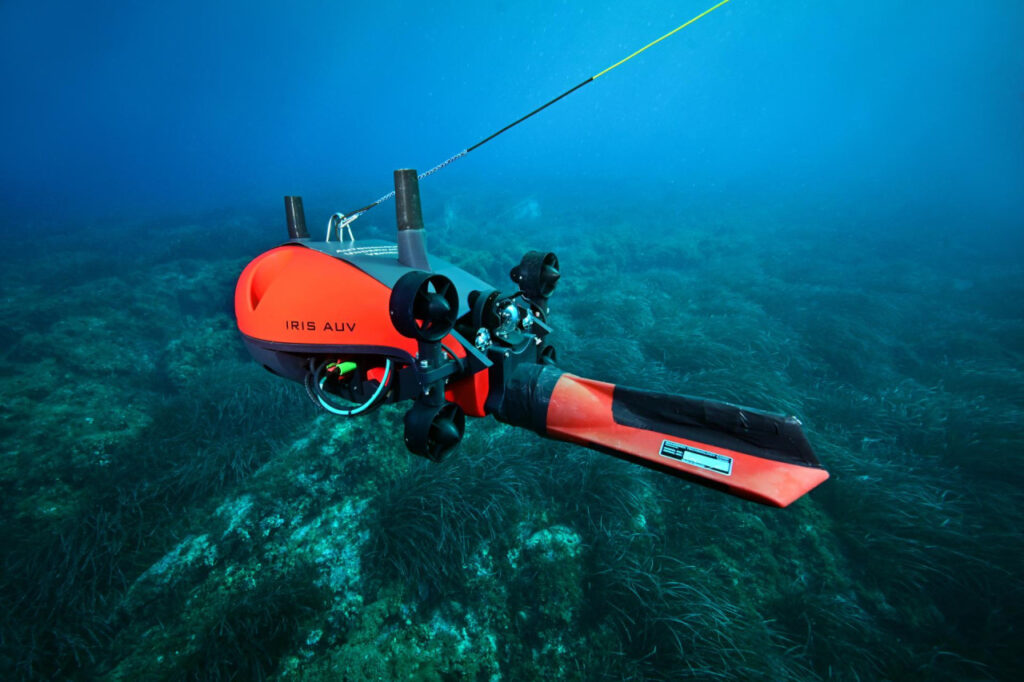
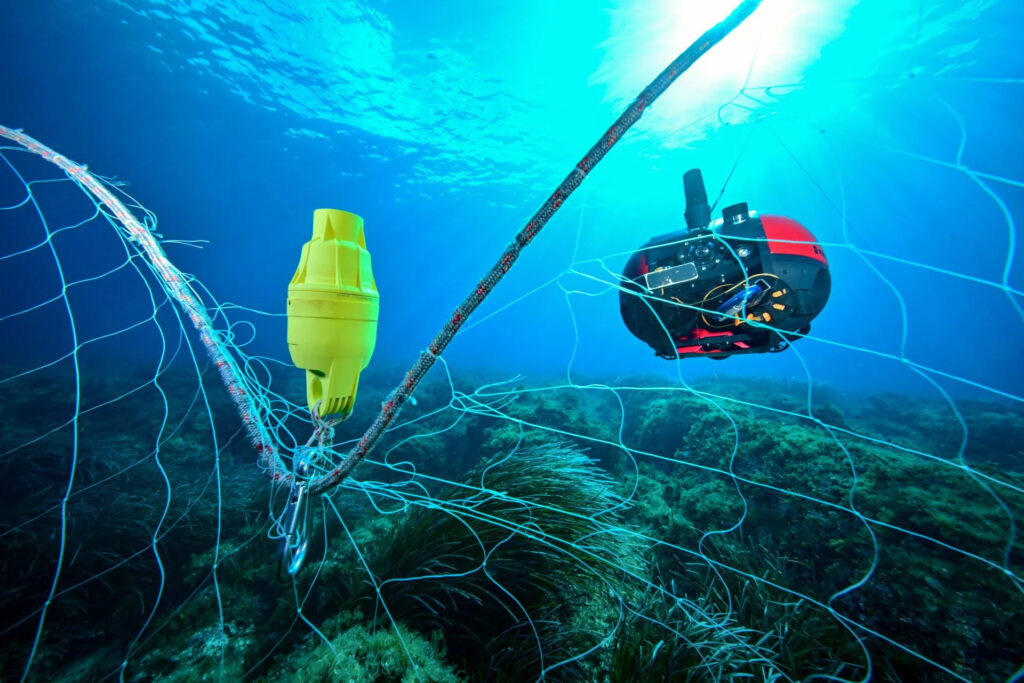
During the tests, one or more acoustic tags are attached to each net to be located. These tags, made from recycled materials, have a unique identifier. As a result, they respond only to a specific signal emitted either by surface-based acoustic positioning systems or by robotic vehicles attempting to locate them.
“Ghost” fishing gear refers to nets, traps and other equipment traditionally used in fishing activities that end up abandoned on the seabed, posing a threat to marine species and ecosystems.
This problem is intensified by the fact that most conventional fishing gear is currently manufactured mainly from nylon and synthetic plastics, which do not biodegrade; instead, they fragment over time, leading to the creation of the well-known microplastics.
NETTAG+, featuring INESC TEC as an active partner, is a European Union–funded project that aims to promote awareness, research and technological solutions for the prevention, mitigation and removal of the harmful impact of abandoned fishing gear on the seabed, including waste generated by fishing activities.
The researcher mentioned in this news piece is associated with INESC TEC.