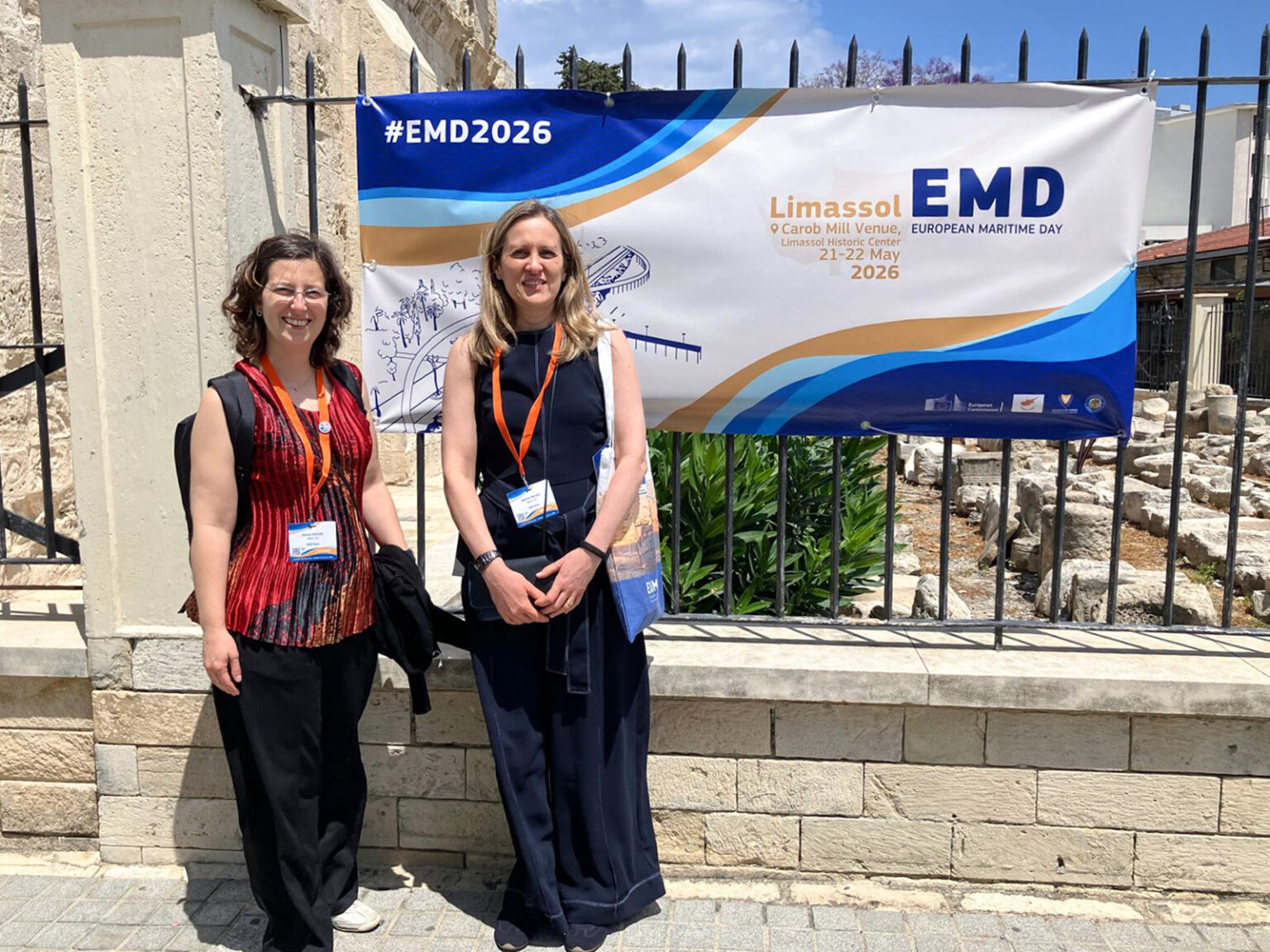
To observe the European Maritime Day 2026, the INESC TEC-led Centre of Excellence co-organised two workshop sessions in Limassol, Cyprus. Addressing topics ranging from ocean monitoring and maritime security to international cooperation for a sustainable Blue Economy, INESCTEC.OCEAN brought together the Institute’s research, expertise and technological capabilities in support of Europe’s blue future.
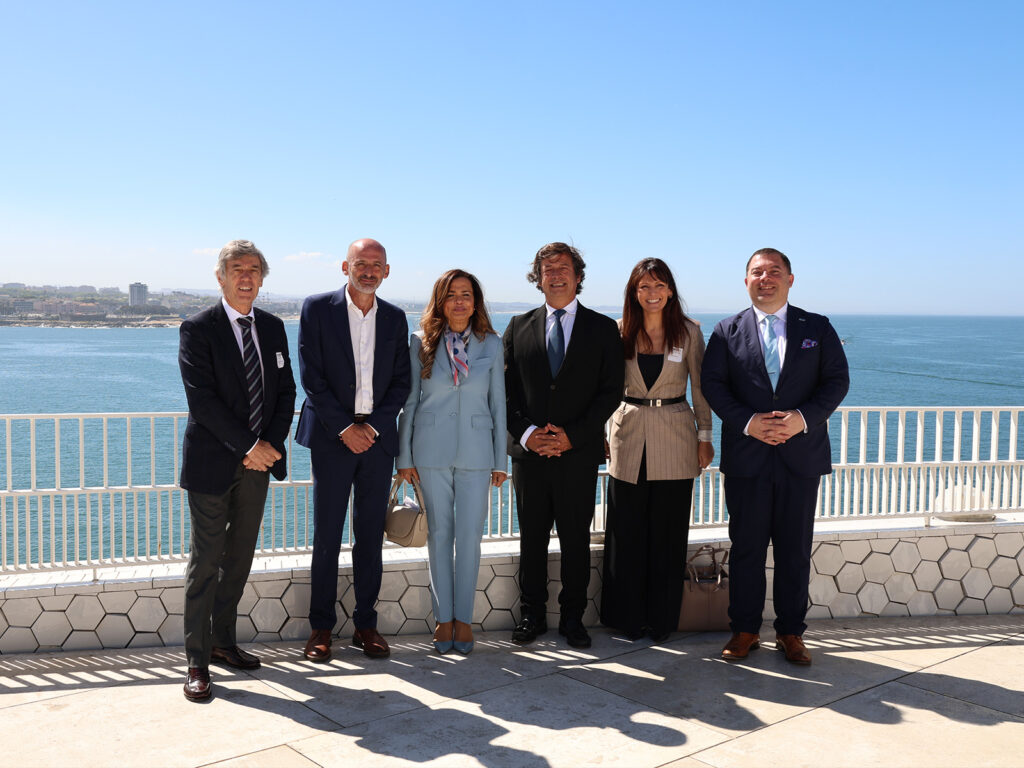
On 21 and 22 May, the European maritime community gathered on the shores of the Mediterranean to discuss the future of the sea, the ocean and the Blue Economy. Thanks to a programme including talks, workshops and networking activities, researchers, businesses and policymakers came together to explore how Europe can achieve oceans that are both productive and protected.
In the sunny city of Limassol, Cyprus, INESCTEC.OCEAN co-organised two workshop sessions focused on key priorities for both the Centre of Excellence and the wider blue innovation ecosystem: Marine Robotics for Safe European Seas and Research & Innovation for a Sustainable Blue Wave.
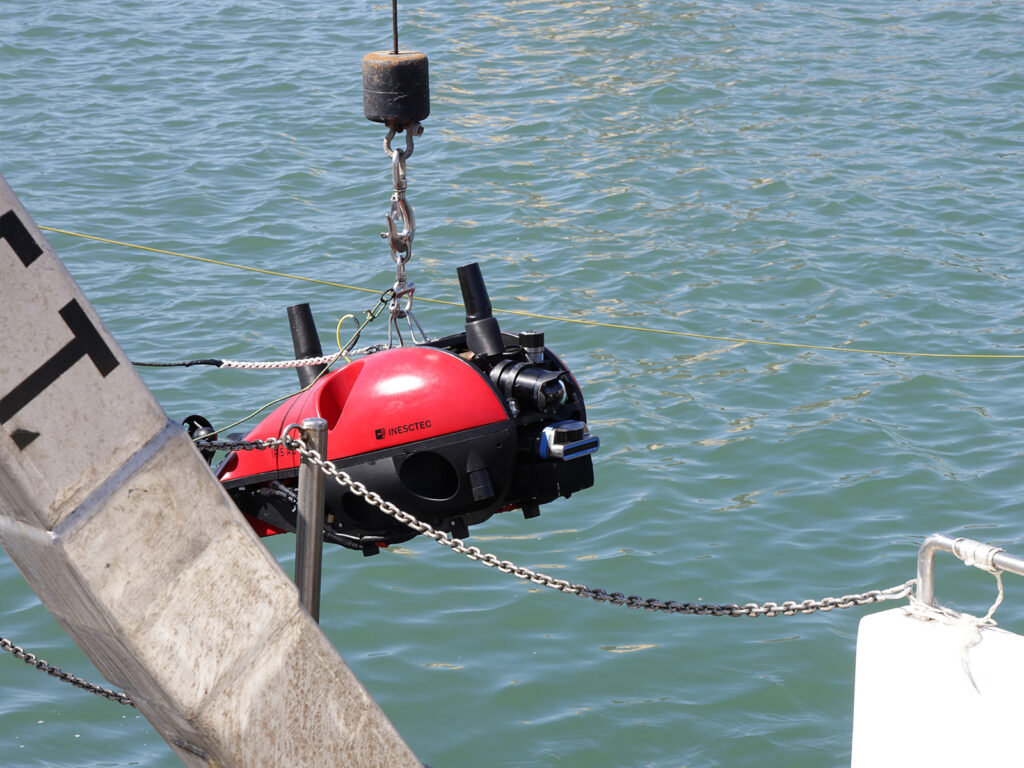
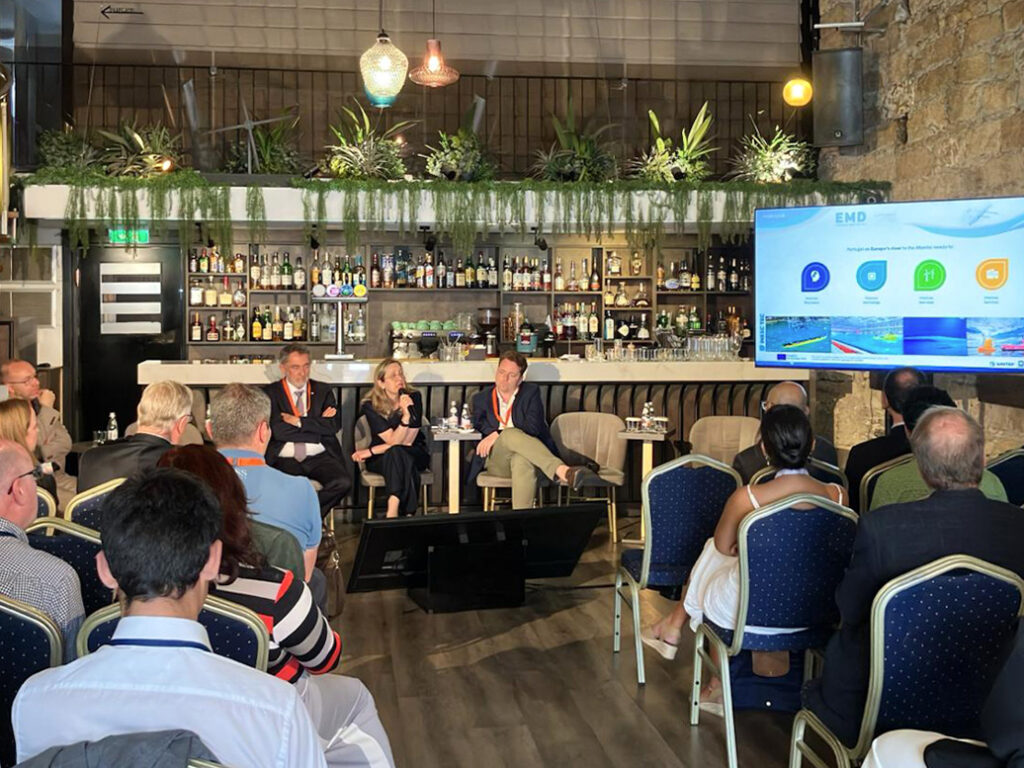
The first workshop examined the increasingly important role of marine robotics, particularly in supporting the continuous monitoring of Europe’s seas and critical maritime infrastructure.
“It highlighted the key role that marine robotics can play, particularly in the continuous monitoring of our seas and critical infrastructure,” explained Diana Viegas, coordinator of INESCTEC.OCEAN and one of the panel speakers.
The INESC TEC researcher emphasised the Centre’s significant contributions to the discussion thanks to the Institute’s ongoing work funded through the European Defence Fund (EDF): “we were able to present disruptive technologies being developed under recently approved projects,” she said, citing the DEEP-TECH initiative as an example.
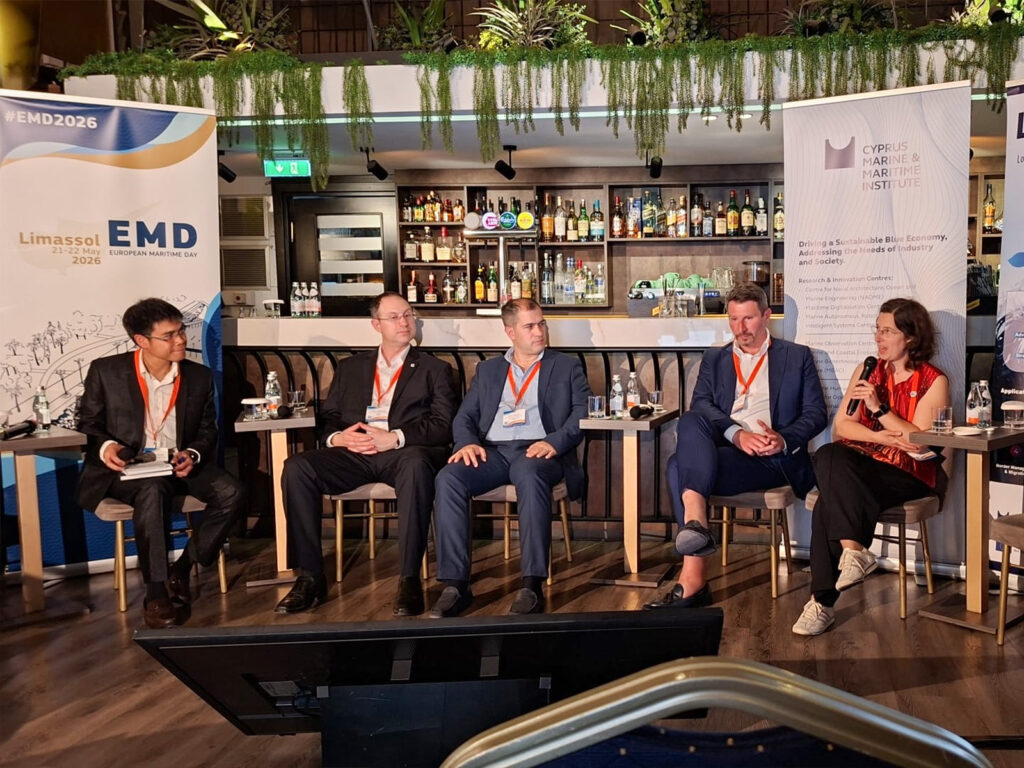
The second workshop was jointly organised by INESCTEC.OCEAN, the Cyprus Marine & Maritime Institute (CMMI) and MARBLE, three Centres of Excellence that signed a Memorandum of Understanding at the Breaking the Surface event in late 2025.
Reflecting the partnership between the three organisations, the session focused on cooperation to advance blue innovation and support the long-term sustainability of the world’s oceans.
“All Centres of Excellence dedicated to the marine domain share the ambition of establishing long-lasting and meaningful collaboration,” said Diana Viegas. “Our three centres complement one another through their respective scientific expertise and geographical focus, enabling us to operate in a coordinated way across both the Mediterranean and the North Atlantic.”
Betina Campos Neves represented INESCTEC.OCEAN in this second panel, emphasising that (and despite the natural differences between the open Atlantic and the Mediterranean basins) the workshop revealed “remarkable balance in priorities and shared objectives” among the three Centres of Excellence.
“There was unanimous agreement on the need to streamline regulatory processes and establish offshore test beds so that technological innovation can more quickly address society’s needs, particularly by supporting the generation of new knowledge,” she said.
Another key area of consensus was the importance of standardising ocean data, especially in response to what she described as a “critical gap in ocean data collection”. “It is essential to establish common standards that allow data collected across the Atlantic and the Mediterranean to be aggregated and harmonised in a reliable way. This is crucial for validating investment decisions and supporting effective governance.”
Betina Campos Neves also stressed another important conclusion from the session: the need to align efforts across all levels of governance, “from local authorities through to the highest levels of the European Union”.
The three Centres also agreed that marine robotics and ocean technologies are indispensable pillars of a thriving Blue Economy, supporting both sustainable interaction with the marine environment and an ever-growing understanding of our oceans.
“These technologies provide extensive spatial and temporal coverage at significantly lower cost than traditional approaches such as oceanographic research vessels,” she explained.
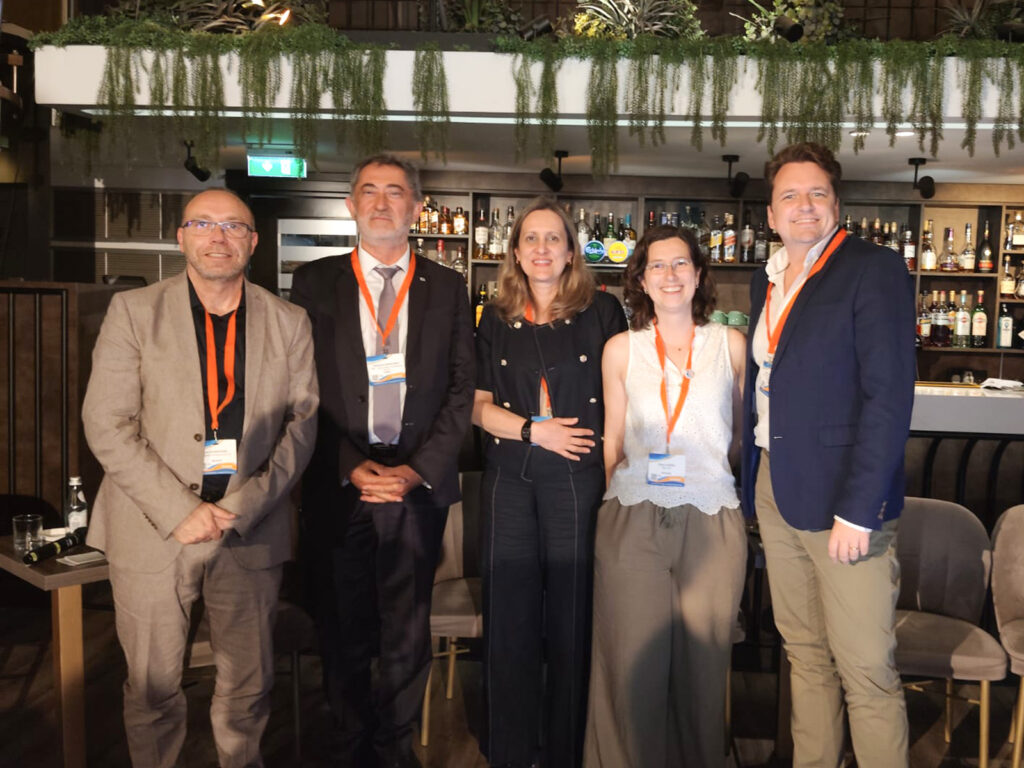
Overall, participation in European Maritime Day gave INESCTEC.OCEAN the opportunity to engage directly with a wide range of stakeholders and decision-makers from the European Commission. “Face-to-face discussions and active debate acted as catalysts for building new partnerships and strengthening strategic relationships,” said Betina Campos Neves.
She added that, in dynamic settings such as European Maritime Day, these exchanges help ensure that valuable knowledge does not become lost in lengthy administrative processes, instead bringing fresh momentum and greater pragmatism to Europe’s maritime innovation ecosystem.
“By co-organising these workshops, INESCTEC.OCEAN has demonstrated the active role as a driver of innovation in Europe,” she concluded. “Showcasing the knowledge, expertise and cutting-edge technologies developed at INESC TEC reinforces our commitment to equipping Portugal and Europe with the tools needed to lead the digital and green transition at sea.
“It is clear evidence of our ongoing commitment to a prosperous, collaborative and sustainable Blue Economy.”