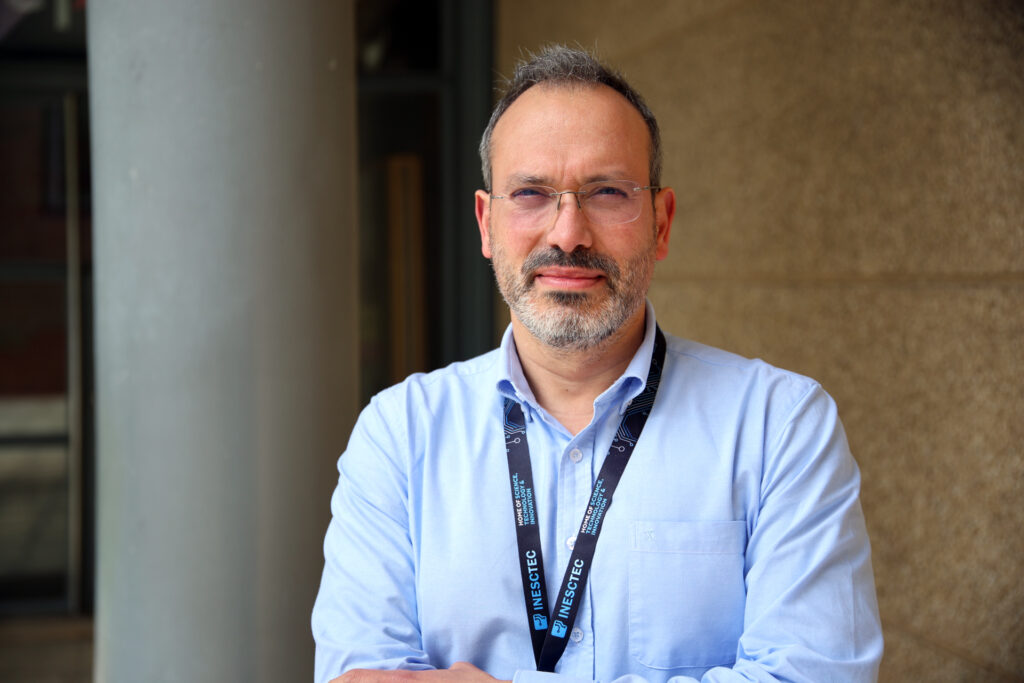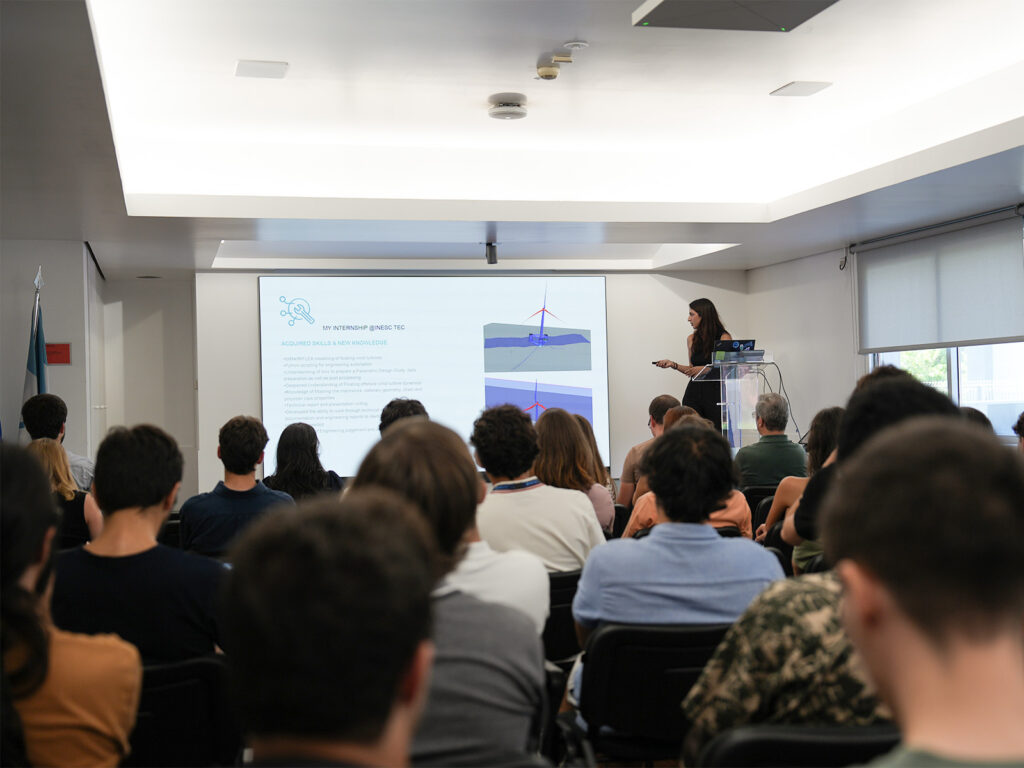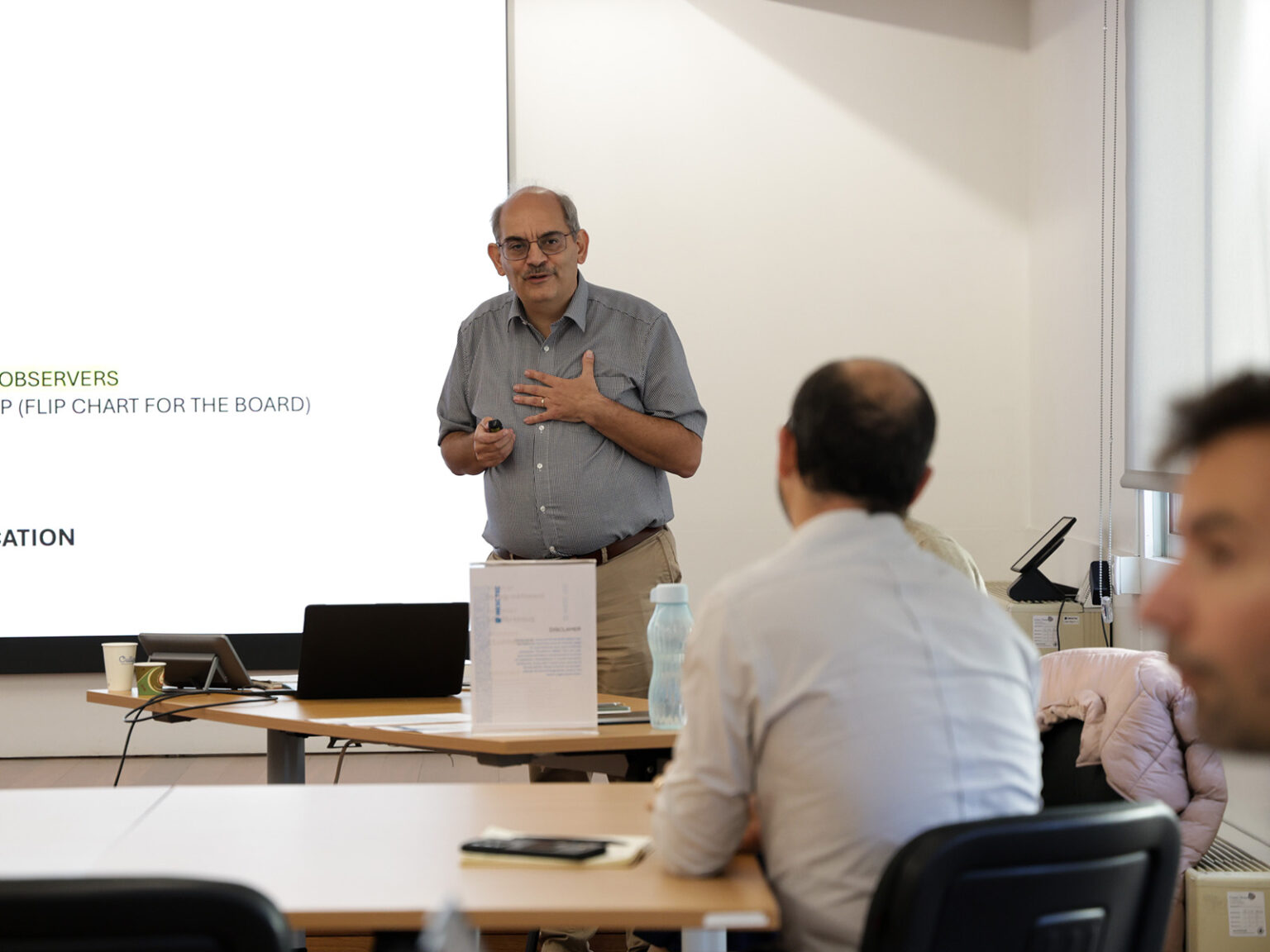
To address this question, INESCTEC.OCEAN invited Vincent Ryckaert, Director of Intellectual Property, Business and Intelligence at IMEC – who has more than 20 years of professional experience in the field.
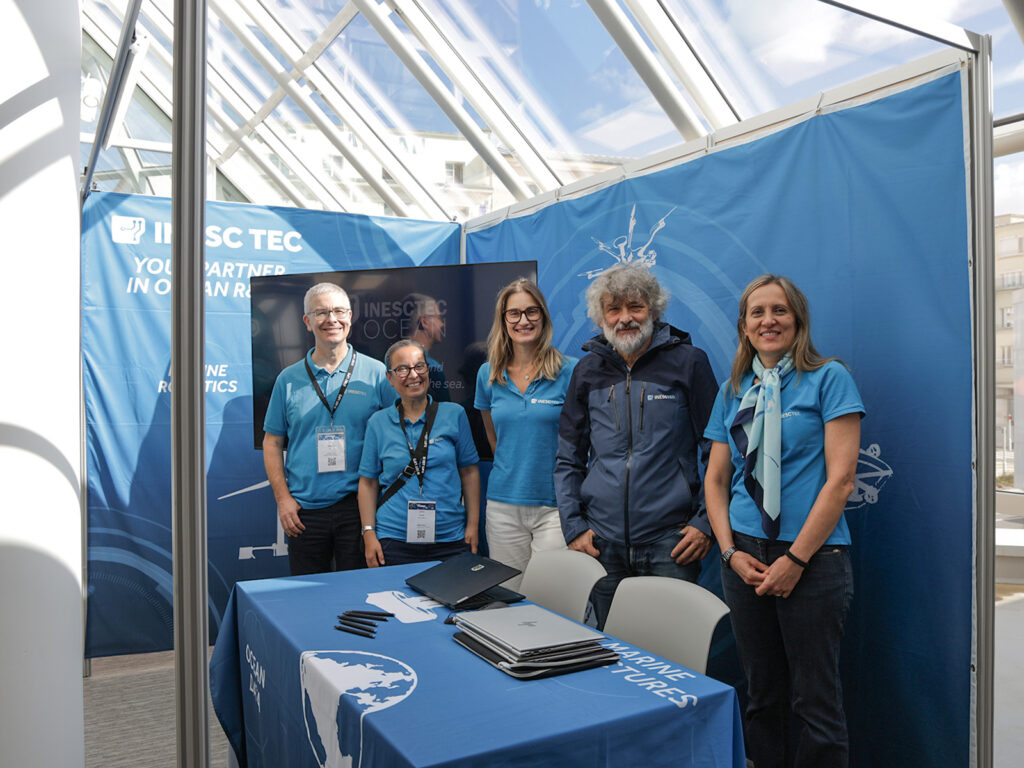
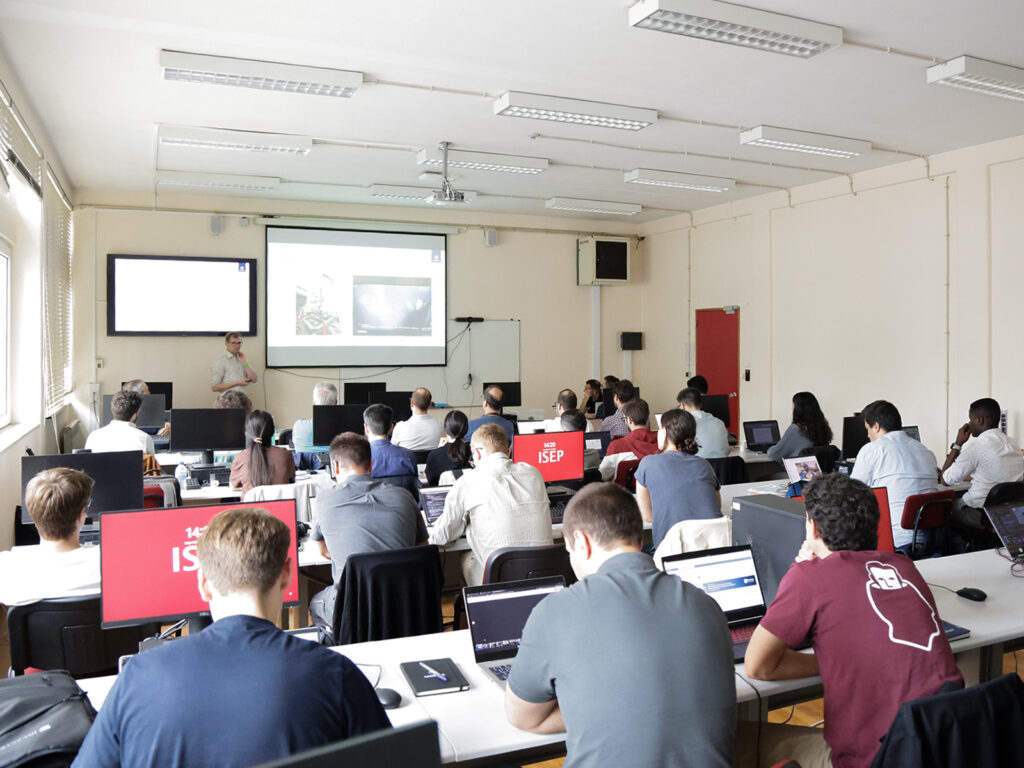
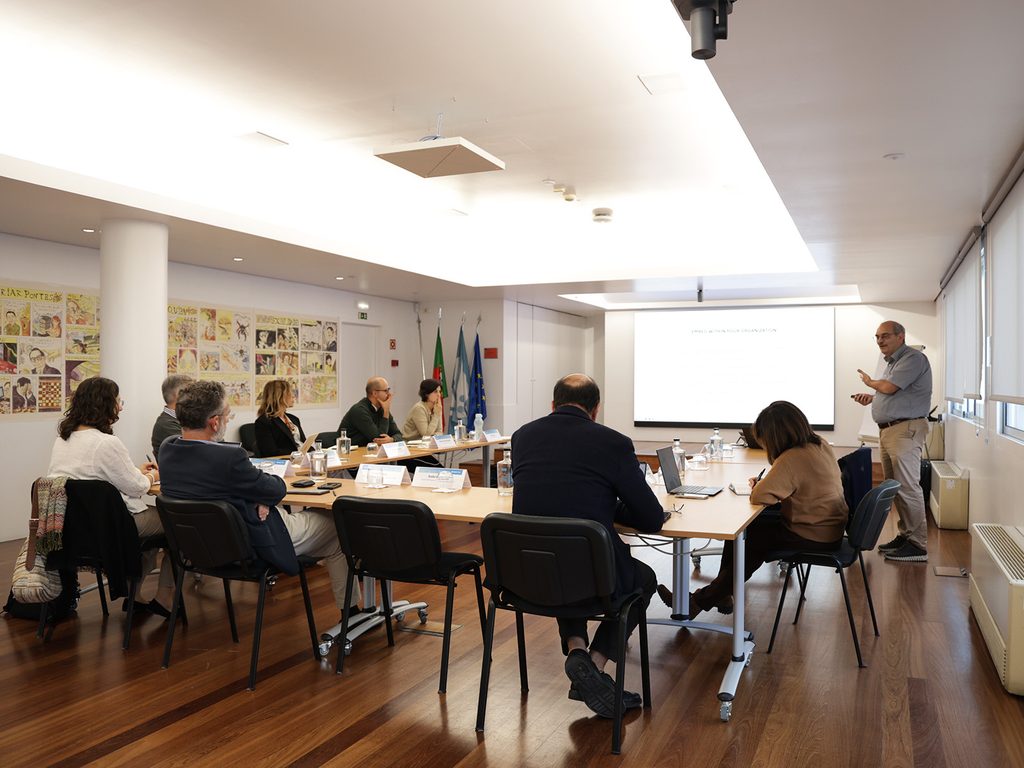
The Centre of Excellence led by INESC TEC brought together researchers, coordinators and members of the Board, as well as teams from Business Development, Legal Support and the Technology Transfer Office (TTO), for two dynamic sessions on Strategic Intellectual Property Management for Research and Development.
The goal was to explore a more integrated and strategic approach to intellectual property, from incorporating it at an early stage of the technology development process to harmonising decisions on asset protection and management with strategies for value creation, exploitation and collaboration with industry.
“An R&D organisation with a high level of technological maturity is defined not only by the excellence of the science and technologies it develops, but also by the ability to manage these assets strategically, from their creation through to their valorisation and adoption,” emphasised Rita Lopes, from INESC TEC’s Technology Transfer Office (TTO).
According to Rita Lopes, the “greater the ability of the technologies we develop to reach the market and create economic and social value, the greater their impact will be”. However, this requires “systematic and structured” intellectual property management, integrated into the technology development process from the outset.
Both workshop sessions drew on insights and lessons from more than two decades of experience shared by Vincent Ryckaert, Director of Intellectual Property, Business and Intelligence (IPBI) at Belgium’s Interuniversity Microelectronics Centre (IMEC). “Rather than simply bringing an external perspective, Vincent shared the practical experience of someone who has spent several years helping to build and implement intellectual property management models in a context of collaborative R&D and close industry engagement,” noted Rita Lopes.
“It was particularly useful to discuss not only general principles but also concrete decisions: how to structure IP assets, how to link protection strategies to go-to-market strategies, how to make better use of existing background IP, and how to establish clearer, more predictable processes for collaboration with companies.”

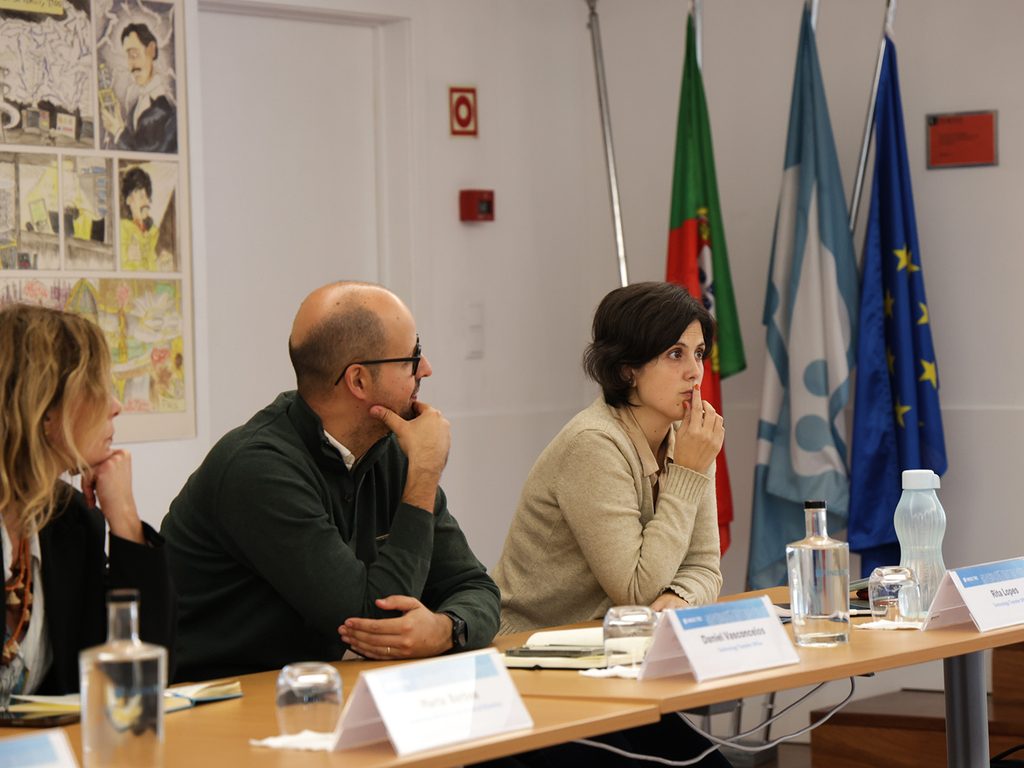
Rita Lopes also believes that the guest’s experience provided an opportunity to “challenge some of INESC TEC’s current practices”, bringing the discussion down to a very practical level: “Not just ‘what should we do?’, but ‘how can this be incorporated into the organisation’s day-to-day operations?’” she added.
Among the main takeaways, the Technology Transfer manager highlighted the “need to bring INESC TEC’s intellectual property strategy closer to its technology development and valorisation strategy”. This will involve adopting a more integrated view of its assets – an IP stack.
According to Rita Lopes, scientific and technological development and market strategies “are not competing priorities”. “Quite the opposite: they can reinforce one another and enable more informed decisions on protection, investment, development and collaboration with industry,” she explained.
Finally, she described the level of participation and the willingness of the various stakeholders to contribute to both sessions as “very positive”. The sessions had been “designed to encourage knowledge-sharing and active listening between different perspectives”, which proved “essential in identifying concrete challenges and possible ways to improve”.
“Rather than a single, disruptive change, this is about gradually consolidating practices, tools and ways of working together that, step by step, will contribute to a more strategic and integrated approach to intellectual property management,” concluded Rita Lopes.