Developing sensors that can withstand ocean-related challenges was the theme of a new course organised by INESCTEC.OCEAN – the Centre of Excellence led by INESC TEC -, focusing on the design and operation of sensors in marine environments.
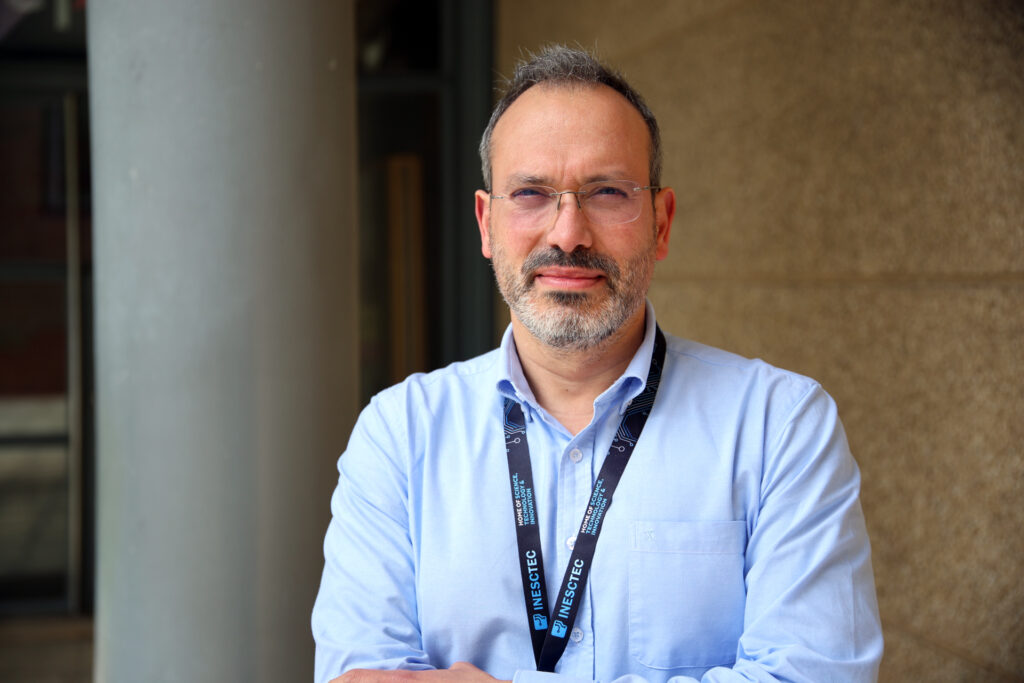
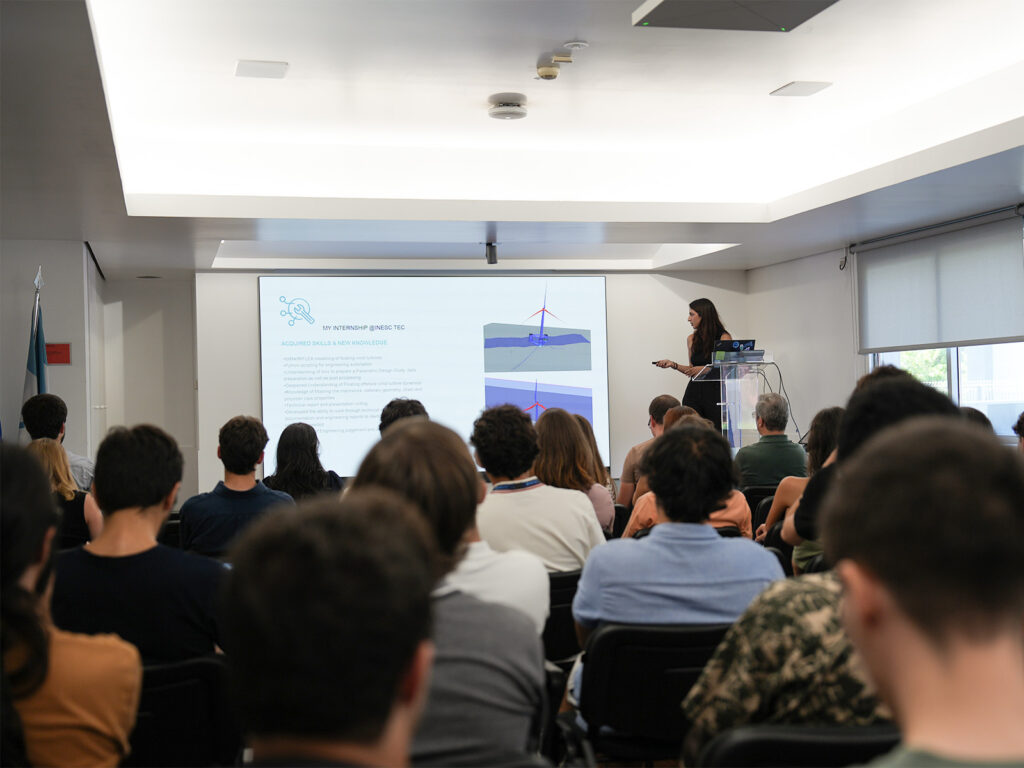
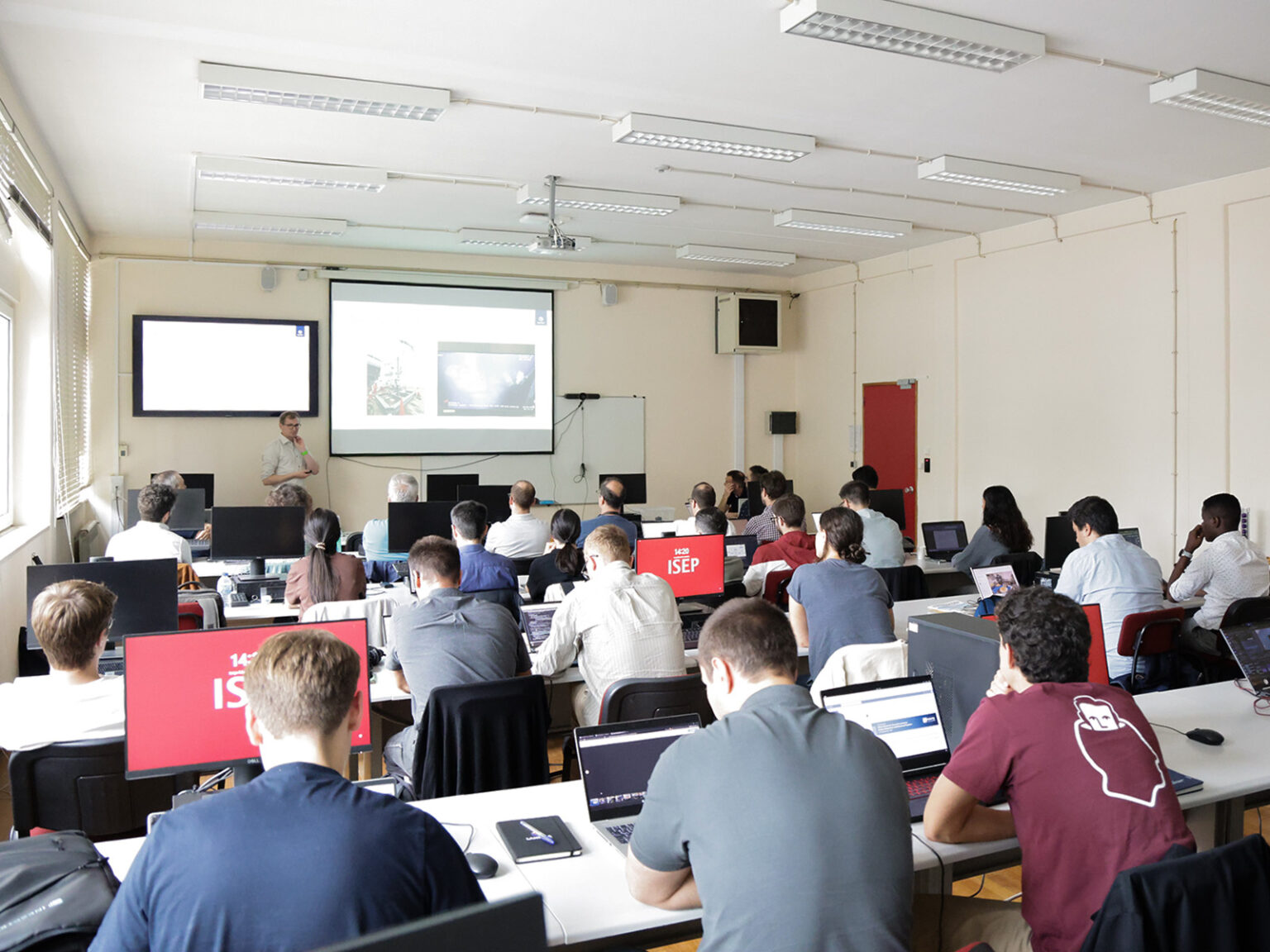
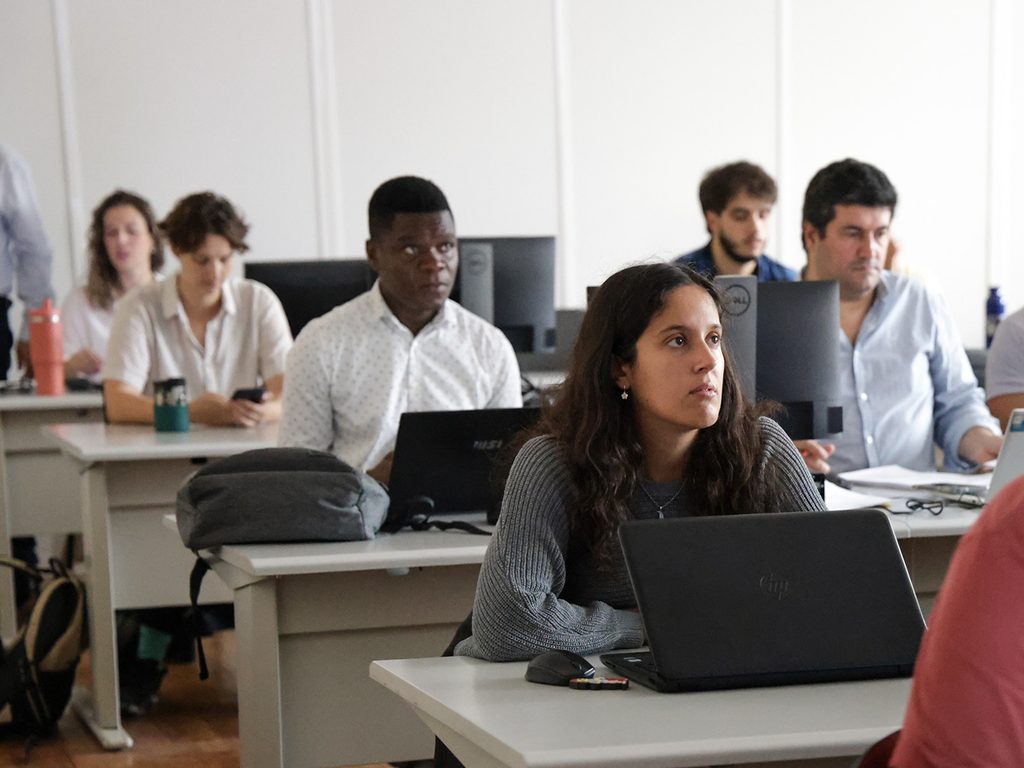
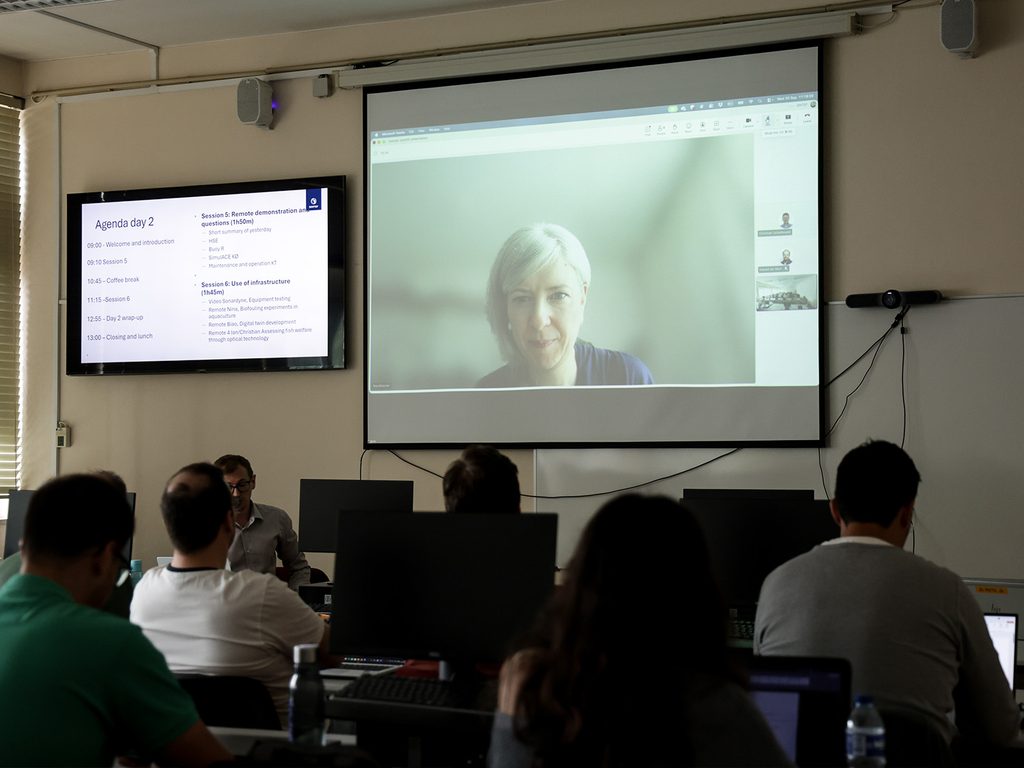
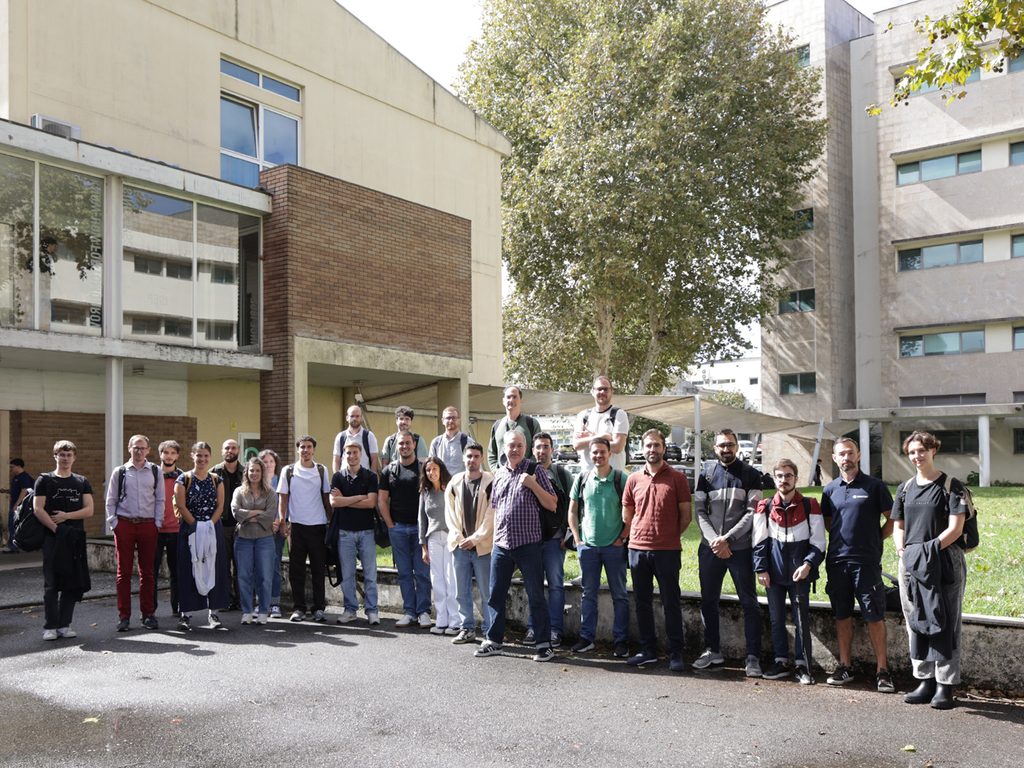
Held at the end of September, the workshop Marine Sensors for Ocean Environments: Design, Deployment and Biofouling Mitigation brought together more than 30 participants at the Porto School of Engineering (ISEP). With the support of a team from SINTEF Ocean, a partner and co-organiser of the activity, participants gained “practical and technical insight into the development, preparation, installation and operation of sensors” for marine environments, highlighted Luís Coelho, head of INESC TEC’s Photonics area.
The INESC TEC researcher, who was directly involved in organising the course, also mentioned that the range of research areas represented by the participants – from sensors and energy to robotics, optics, telecommunications and infrastructures – helped reinforce “the multidisciplinary approach of the workshop”.
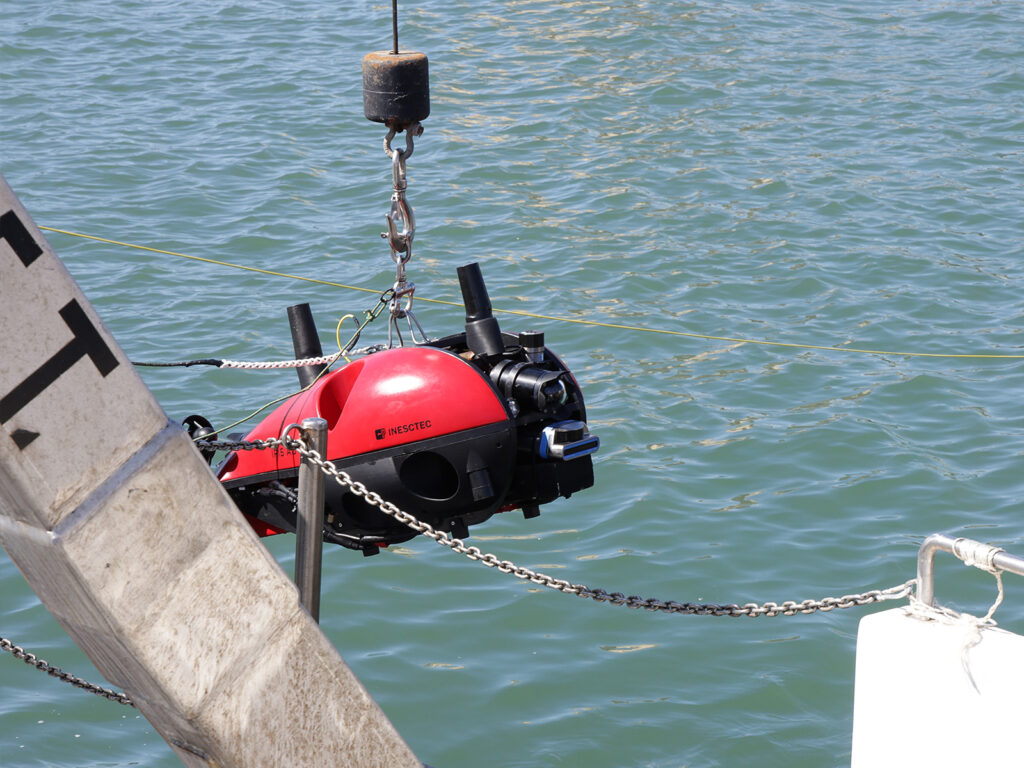
Over a day and a half, “very practical challenges associated with operating at sea were discussed, including biofouling (the accumulation of microorganisms on equipment), corrosion, sensor positioning, underwater installation, signal interference and noise, the design of enclosures and protection systems, and mooring issues,” explained Luís Coelho.
“Attendees also examined operational aspects, like pre-deployment testing, the differences between planning and real-world conditions, maintenance, logistics, weather conditions, equipment recovery, and post-use cleaning and inspection.”
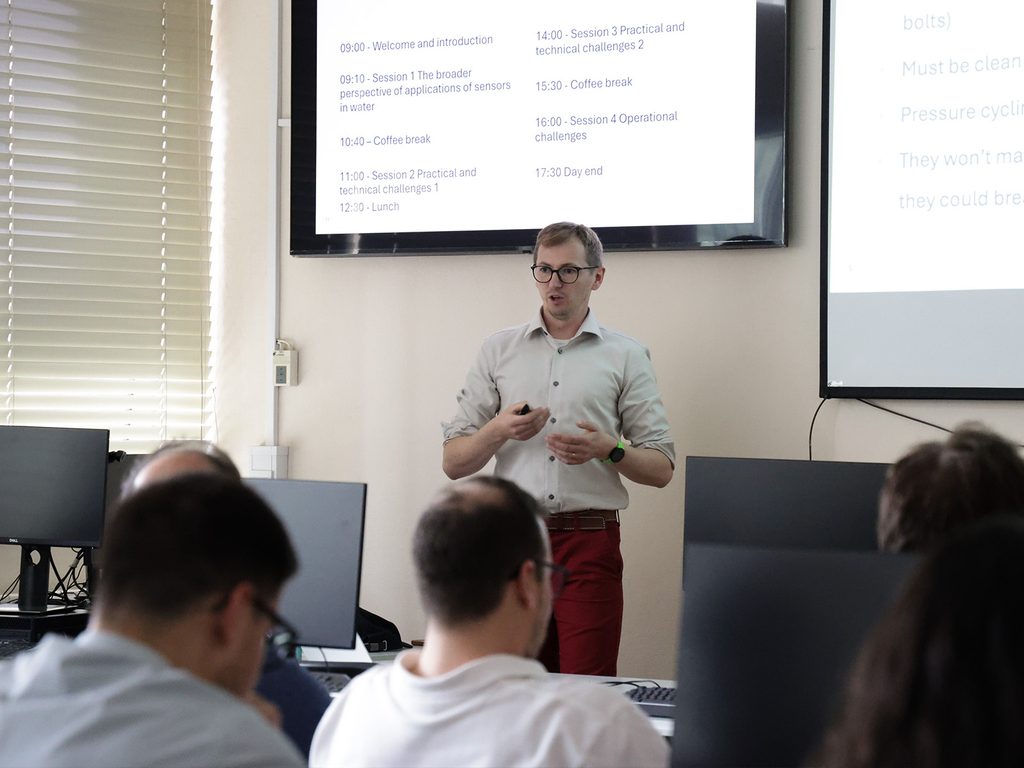
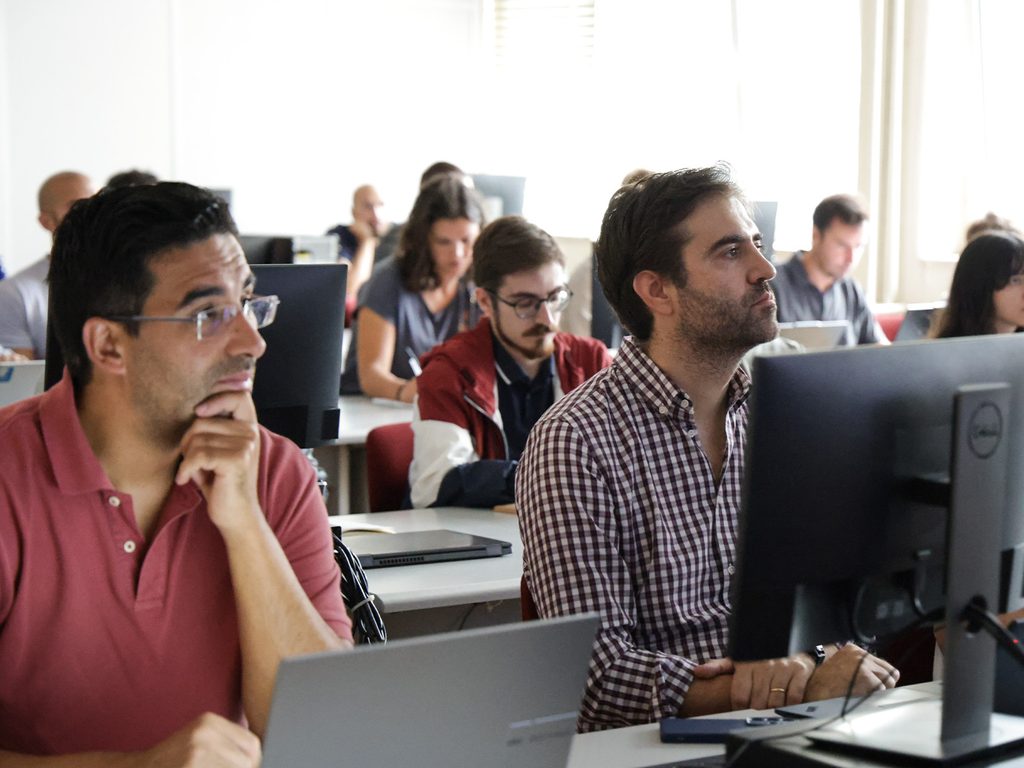
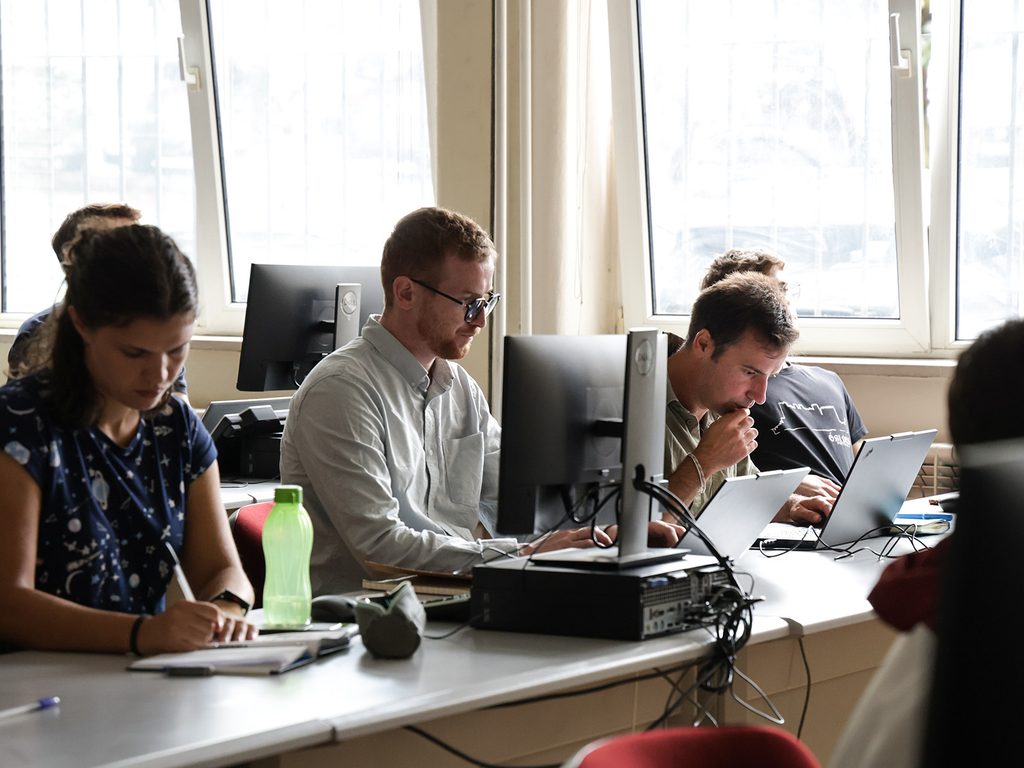
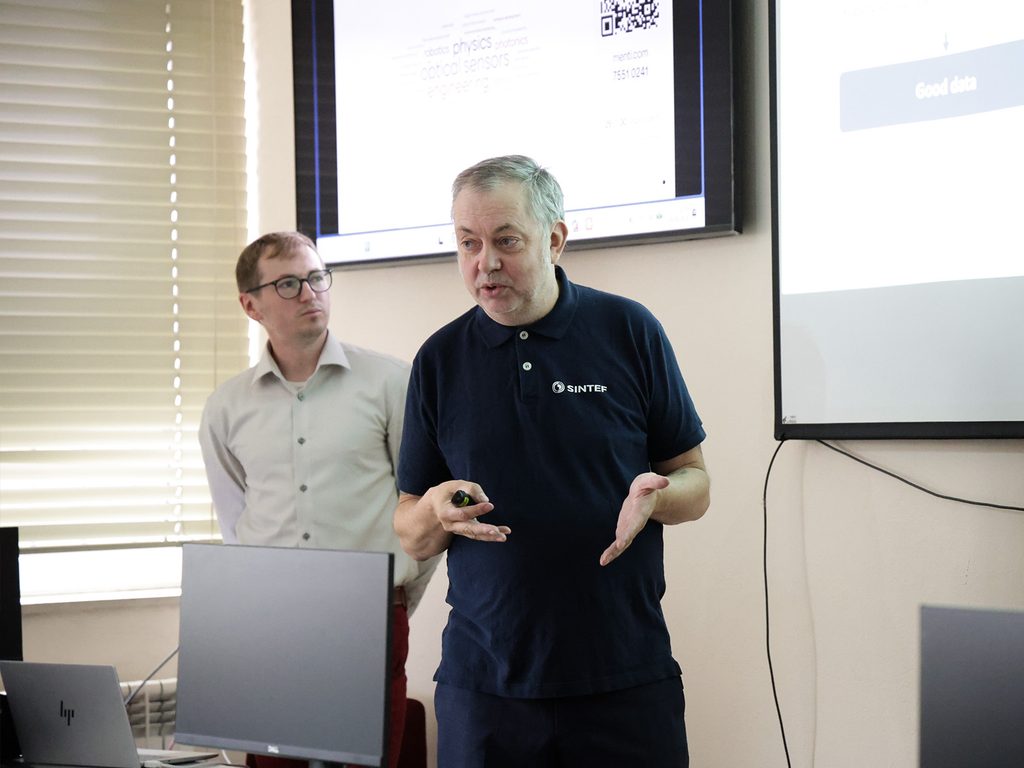
Drawing on real-life examples presented by the SINTEF Ocean team, the programme also covered “specific examples of aquaculture installations, the use of the Munkholmen buoy (an oceanographic observation buoy), and safety and fieldwork procedures”, the researcher added.
Kjetil Øvretveit, a researcher at SINTEF Ocean and one of the workshop speakers, alongside fellow researchers Ralph Stevenson-Jones and Ketil Tveråbakk, stated that the course content drew “heavily on practical knowledge developed in Norway’s aquaculture industry”. He also recognised that the subject was “highly relevant to Portugal”.
“During the first session, we gathered feedback from participants, who expressed a strong need for practical guidance on deploying field-tested marine sensors,” he said. Kjetil Øvretveit also mentioned that it was “important to understand local conditions and adapt technologies and operational practices to the specific context”.
According to the SINTEF Ocean researcher, initiatives such as this are “extremely important for improving participants’ skills” and the quality of the data collected, while “ensuring the effective installation and operation of marine sensors”.
Luís Coelho, meanwhile, stressed that the topics and processes covered were “highly relevant”, since “a technological solution for the ocean cannot be assessed solely on the basis of laboratory performance”. He then added: “It’s crucial to consider robustness, reliability, installation, maintenance, data quality and the ability to operate for extended periods in harsh environments from the outset.”
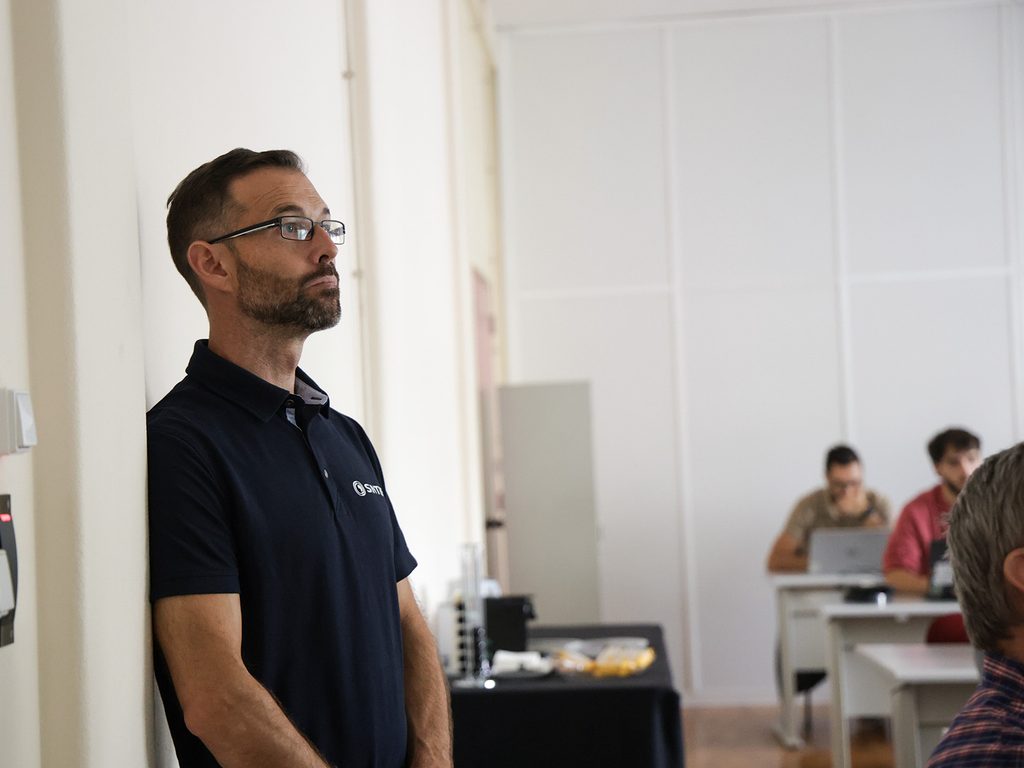
These concerns are relevant across several of INESC TEC’s research fields and are “equally fundamental to applications such as ocean observation, aquaculture, coastal monitoring and offshore operations”. “The workshop itself was designed for researchers and technical staff working in these areas,” he declared.
The experience came from Norway, but SINTEF also took INESC TEC solutions home
Luís Coelho emphasised the central role played by SINTEF Ocean’s experience, particularly in areas such as safety procedures, aquaculture installations, the development of digital twins, and the assessment of fish welfare using optical technology and computer vision. The Norwegian team’s contributions “brought concrete examples of problems faced in the field and the solutions adopted to overcome them into the training programme”.
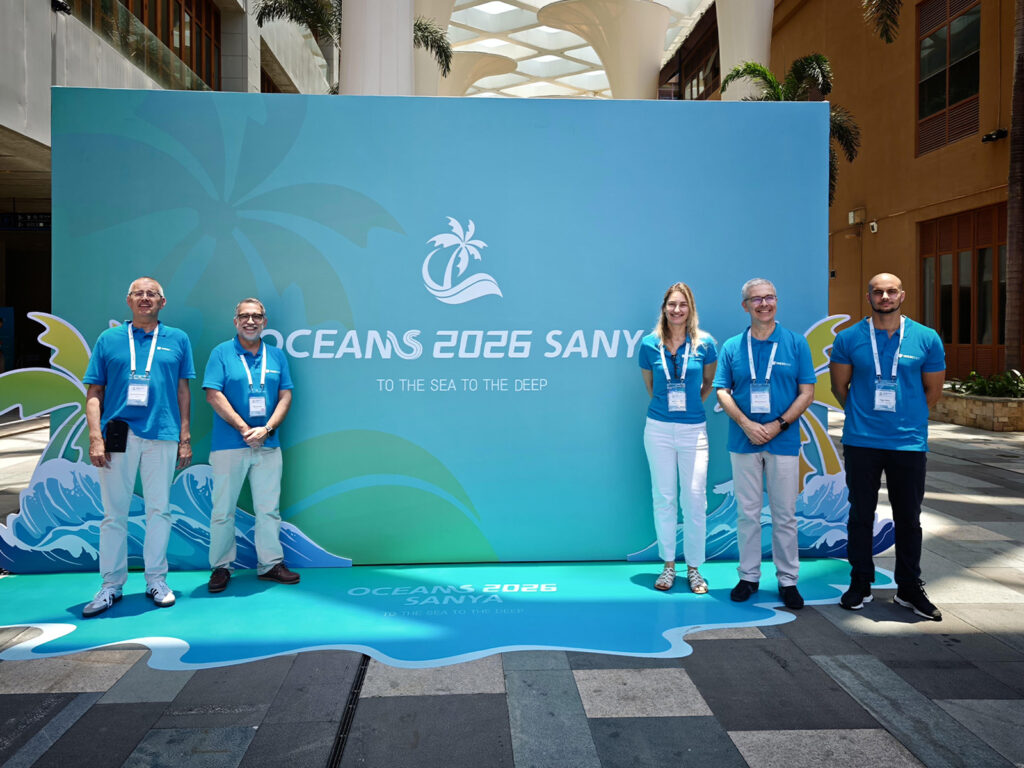
The partnership between INESC TEC and SINTEF “makes it possible to organise training activities that focus strongly on sharing operational and scientific experience, complementing INESCTEC.OCEAN’s expertise with SINTEF Ocean’s accrued knowledge of marine operations, installations, testing infrastructure and monitoring”.
Kjetil Øvretveit stressed that the experience was “a two-way learning process”: “While we shared our experience from Norway, SINTEF Ocean also gained new perspectives on the technologies developed at INESC TEC.” The researcher said the team had identified “several sensors and solutions with potential for testing in Norway”, giving the trainers a clear sense of the “benefits of close collaboration and knowledge exchange” between INESC TEC and SINTEF.