Have you ever tried a burger made from seaweed? Or nuggets produced from protein grown in circular systems? The role of algae in food production will become increasingly relevant, and it all begins with the reuse of water from fish farming — as has been demonstrated in the INNOAQUA project.
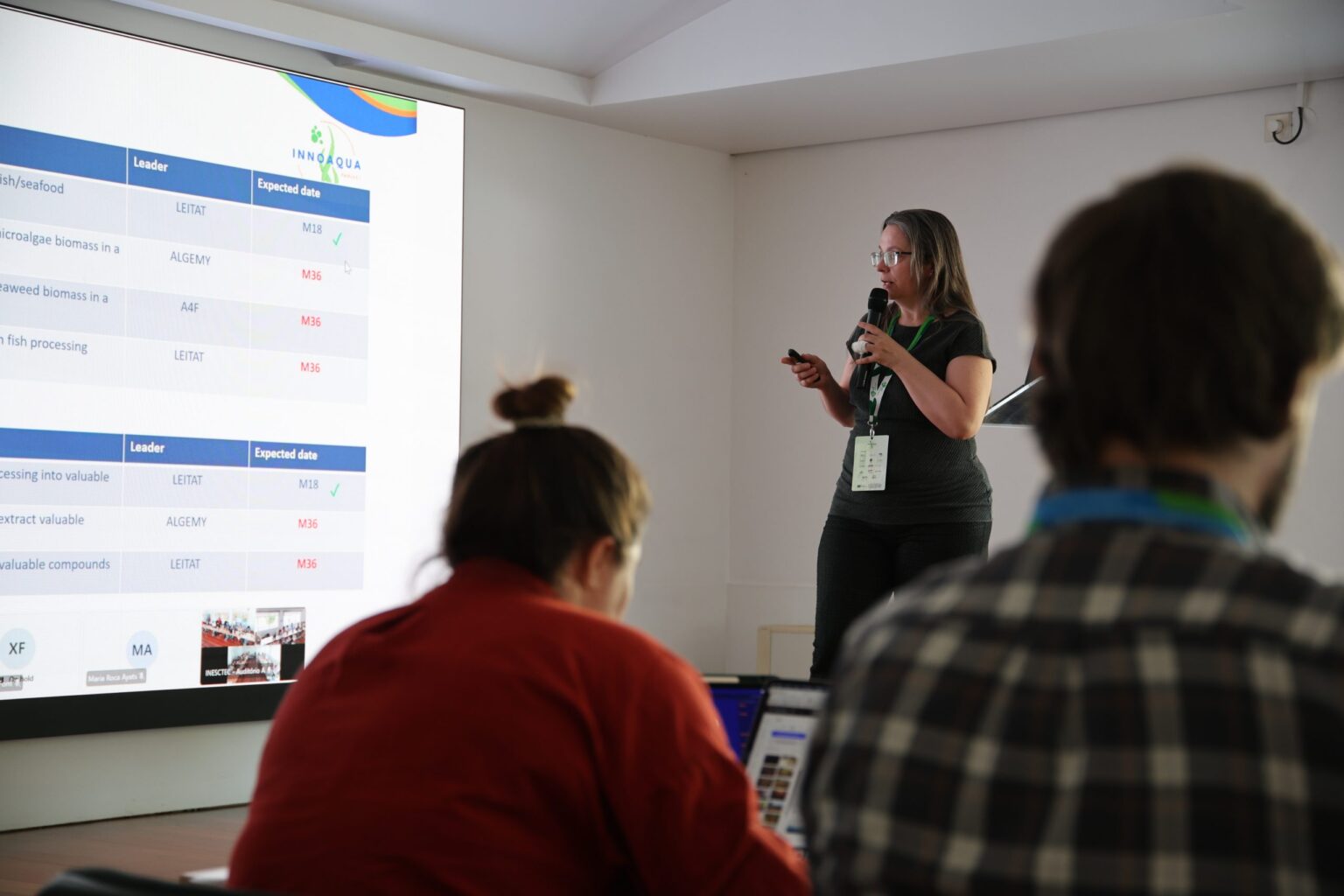
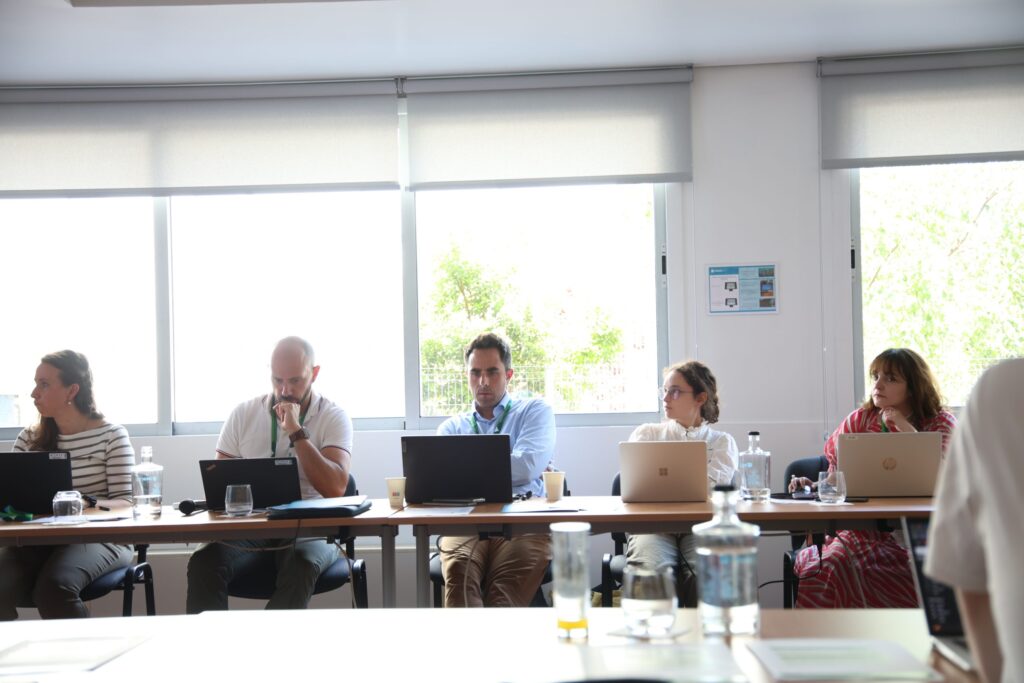
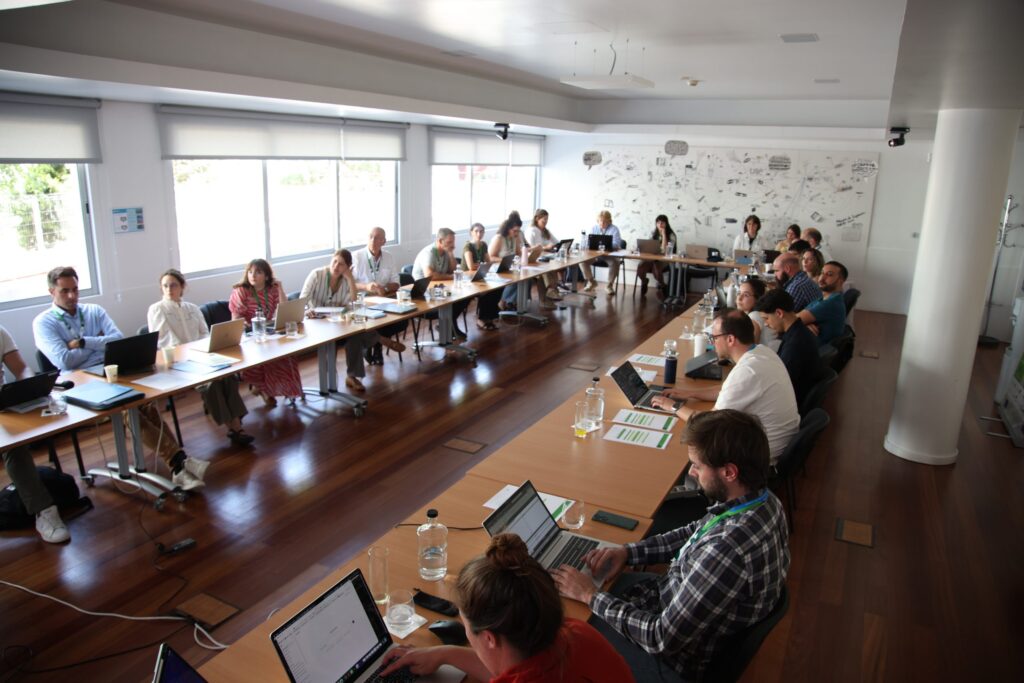
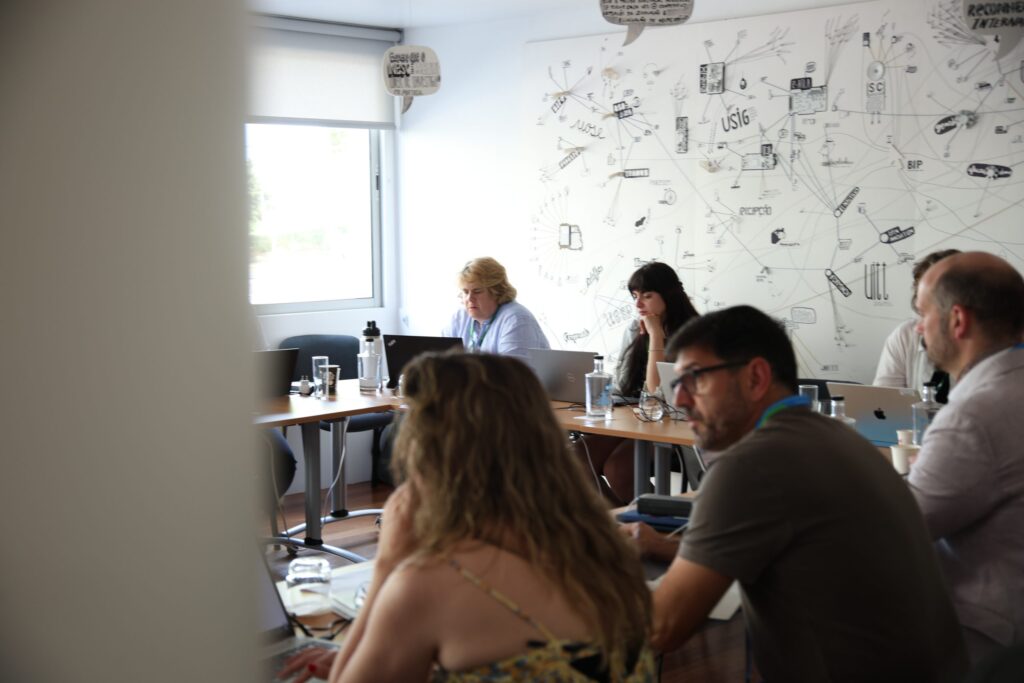
At the end of May, INESC TEC welcomed partners from the INNOAQUA project, researchers, and stakeholders linked to sustainable aquaculture at a workshop aimed at discussing the potential of Integrated Multi-Trophic Aquaculture (IMTA) — a circular production model in which the waste of one species (fish) becomes a resource for another (algae).
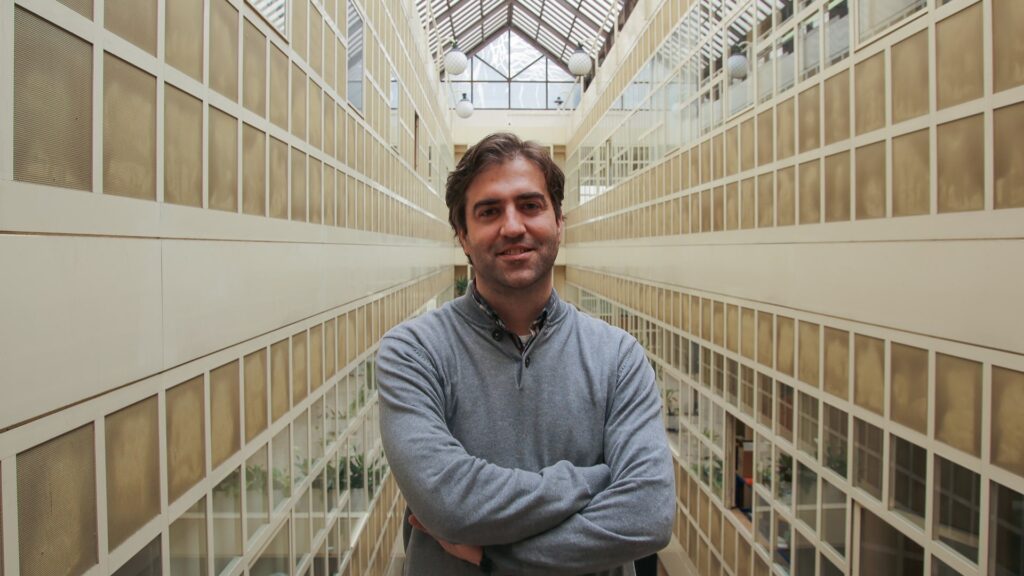
“One of the most discussed topics at the INNOAQUA | Workshop Seaweed & Fish IMTA within EU – Advantages and Challenges was the need to integrate different species and production processes efficiently, whilst simultaneously ensuring environmental sustainability and economic viability. In the case of INNOAQUA, the water from the fish tanks — rich in nutrients and carbon dioxide — is used to feed macroalgae growth before returning to the system. The aim is to maximise the useful life of the water within the production process, reducing waste and increasing system efficiency,” explains Luís Coelho, a researcher at INESC TEC.
Technologies such as sensors, industrial automation, and Industrial Internet of Things (IIoT) technologies were combined to create a digital infrastructure capable of monitoring, in real time, critical parameters for algae growth and aquaculture system management. The sensors measure different parameters and are integrated into a digital platform based on a digital twin, enabling data centralisation, tracking operational trends, and supporting real-time control decisions. A control system was also developed that can automatically adjust facility operations based on observed conditions, contributing to more efficient, predictable production.
“INESC TEC’s contribution has focused on developing the digital component of the project. Among the technologies created are innovative sensors capable of measuring dissolved carbon dioxide, nitrates, and water turbidity, as well as remote monitoring systems, industrial automation, and digital platforms inspired by Industry 4.0 concepts,” adds the researcher.
Despite the widely recognised potential of IMTA systems, many challenges continue to limit their large-scale adoption in Europe. These include the complexity of managing multiple species simultaneously, the need for continuous and reliable monitoring, the costs associated with the digitalisation and automation of systems, and the existence of regulatory frameworks that remain poorly harmonised across European countries.
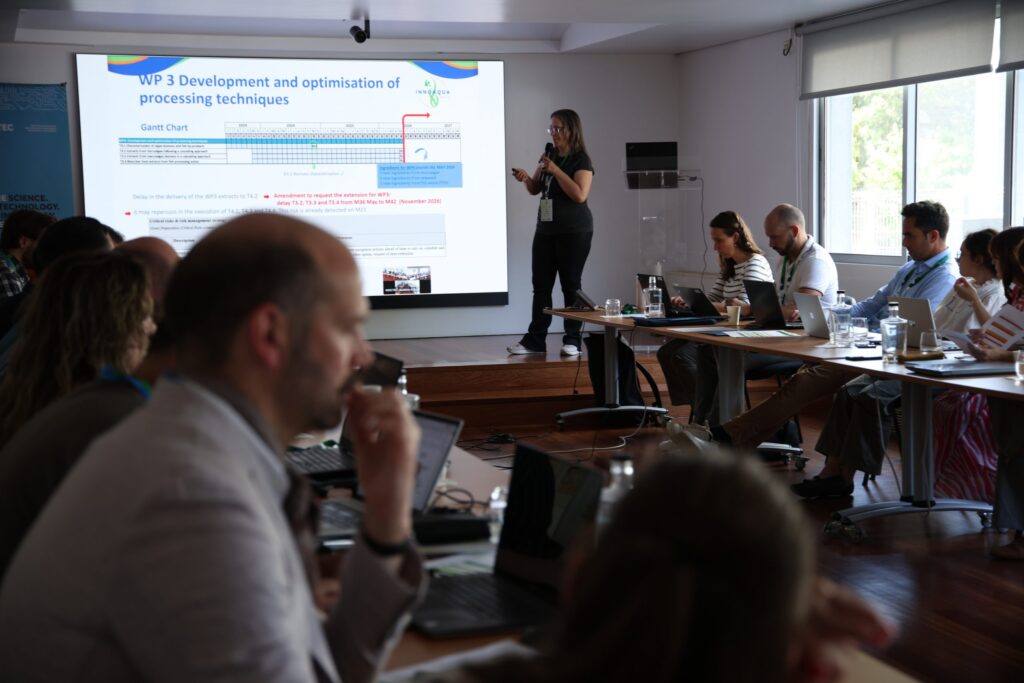
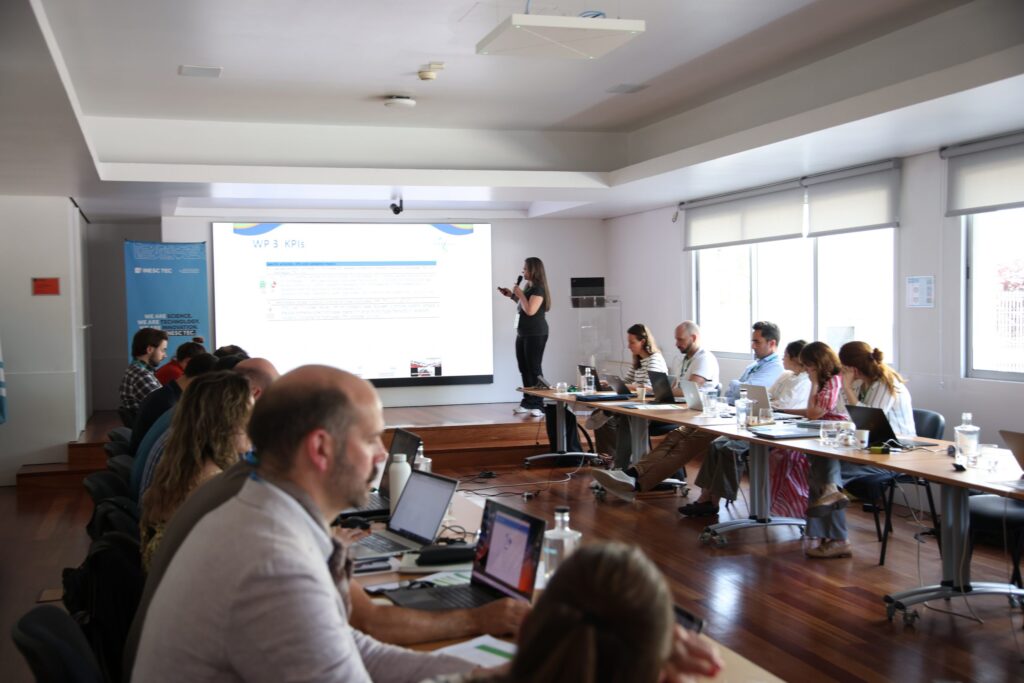
“Digitalisation will be a decisive factor in making these systems economically viable and scalable. The project presents solutions that enable continuous monitoring of nutrient flows, optimise growing conditions, and reduce water, energy, and resource waste — thereby contributing to more predictable, efficient, and circular production models aligned with the European Union’s sustainability objectives. What remains now is to demonstrate economic viability at scale, adapt these technologies to different production contexts, and create business models that facilitate the adoption of these solutions by the European industrial sector,” argues Luís Coelho.
One of the project’s objectives is therefore to transfer these technologies to industrial applications. The next steps involve strengthening validation under prolonged operational conditions, improving sensor robustness, and increasing system automation. In the medium term, the researchers believe these solutions could give rise to commercial platforms for intelligent monitoring and digital management of sustainable aquaculture systems.
The future? An aquaculture sector capable of reusing its own resources, reducing waste, and making decisions in real time. And who knows — one day, seaweed-based food could be the proof that the system works.