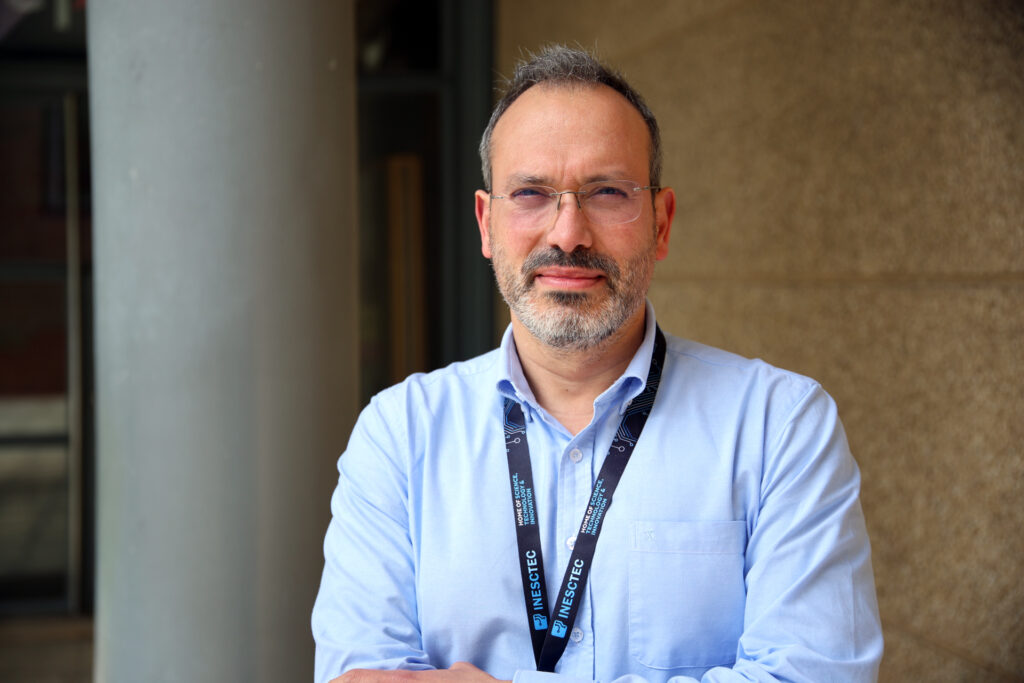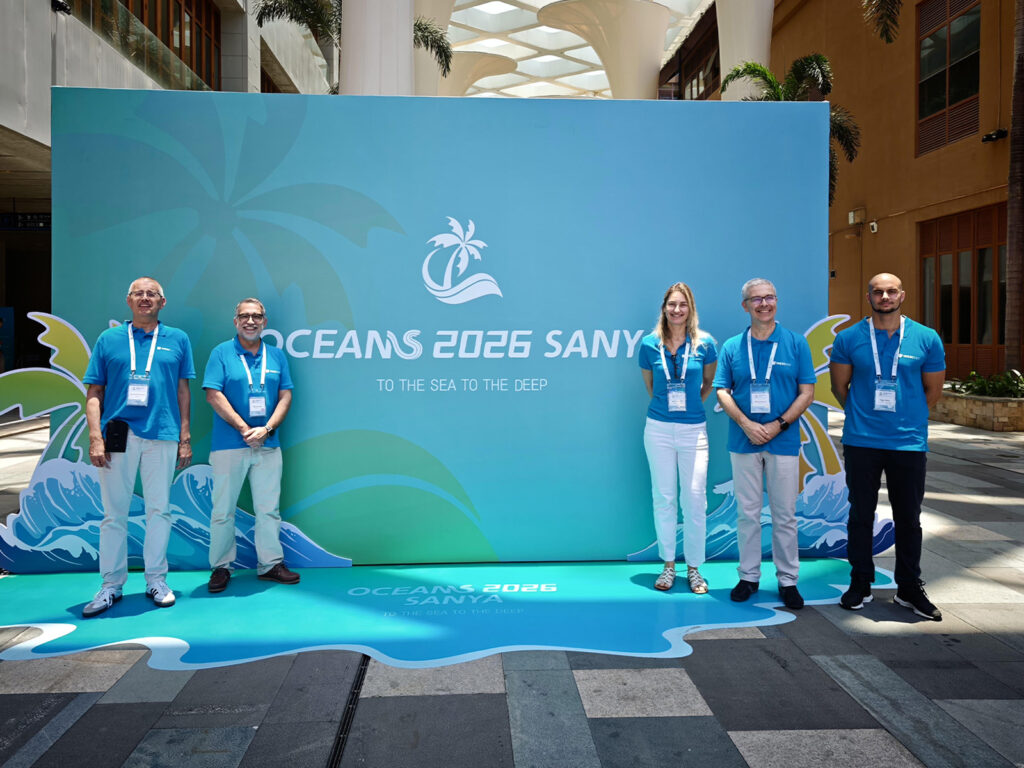
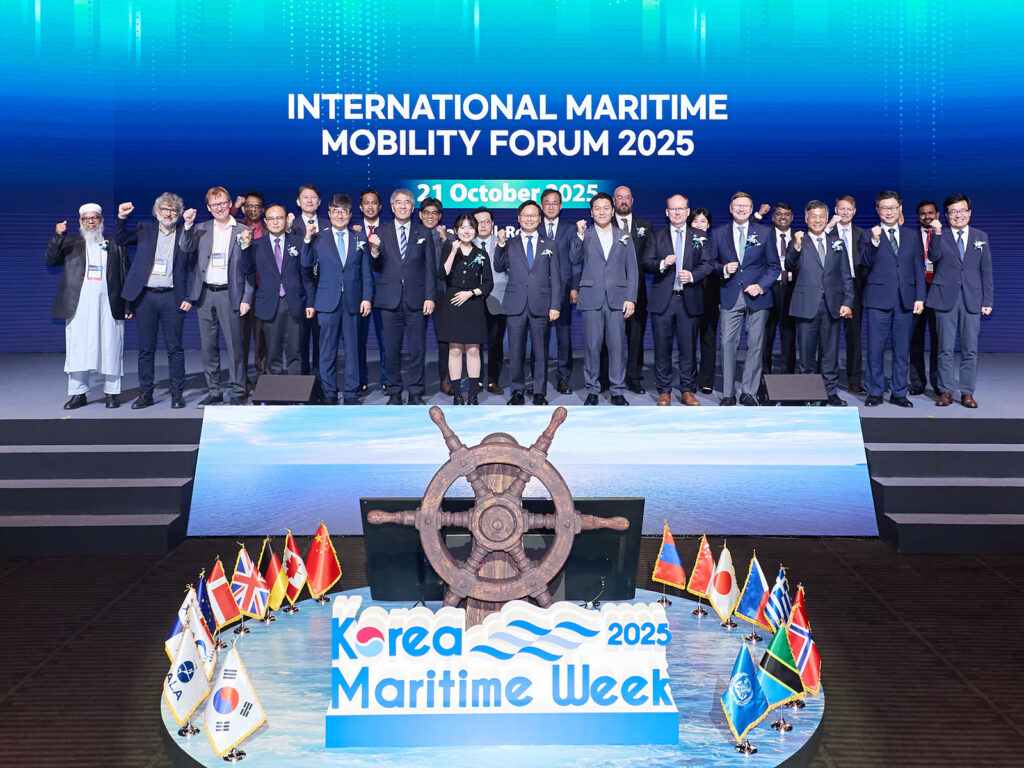
In October, INESC TEC crossed from the Atlantic to the Pacific to take part in Korea Maritime Week. Eduardo Silva, researcher at INESC TEC, attended an event focused on the present and future of technological innovation for the ocean.
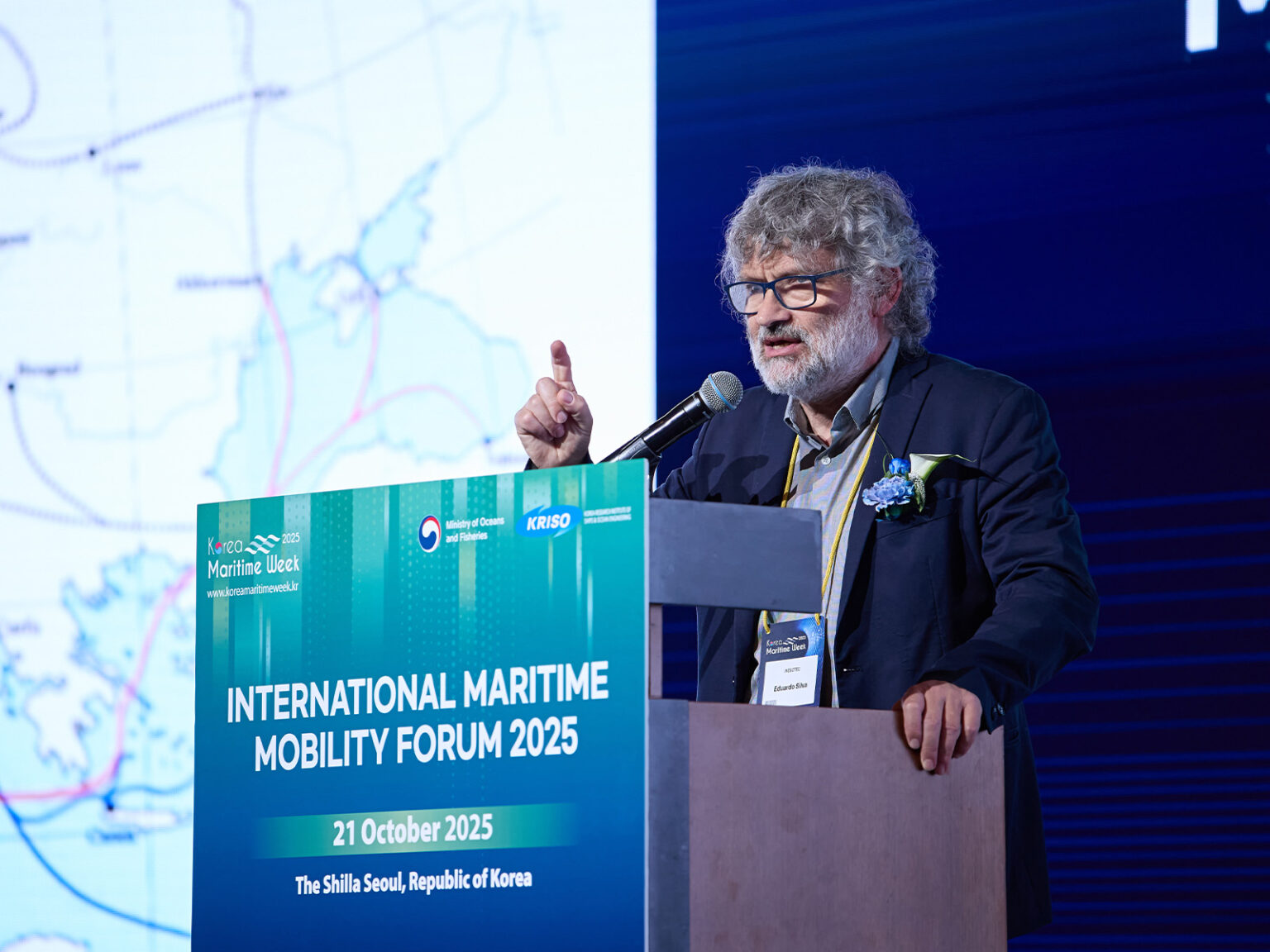
In Seoul, the capital of South Korea, the INESC TEC researcher – who is also the Scientific Coordinator of INESCTEC.OCEAN – was invited to join the International Maritime Mobility Forum, a discussion panel integrated in the Korea Maritime Week agenda. “The presence of INESCTEC.OCEAN was strategic in strengthening European participation in global debates on ocean technologies and advanced maritime mobility,” mentioned Eduardo Silva.
According to the Scientific Coordinator of this INESC TEC-led Centre of Excellence, “discussing these topics with global players – particularly outside the Euro-Atlantic sphere – is essential for the future of the Blue Economy: the oceans are a truly global domain, and innovation cannot remain confined to geographical blocs.”
The INESC TEC researcher explained that “these international gatherings help us understand emerging trends, anticipate needs, and accelerate the transfer of knowledge to strategic sectors”. At the same time, Eduardo Silva highlighted South Korea’s “particularly strong dynamic” in “maritime and ports’ innovation”. “Being part of this [Asian] ecosystem enables us to align priorities, identify synergies, and deepen opportunities for scientific and technological cooperation,” he added.


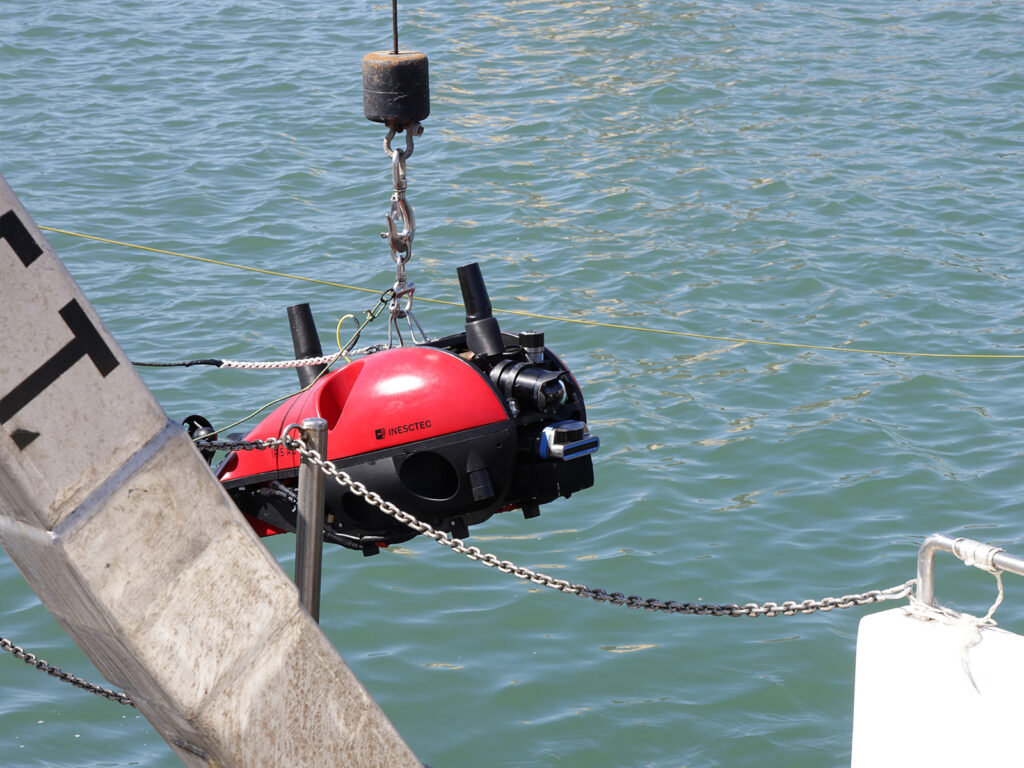
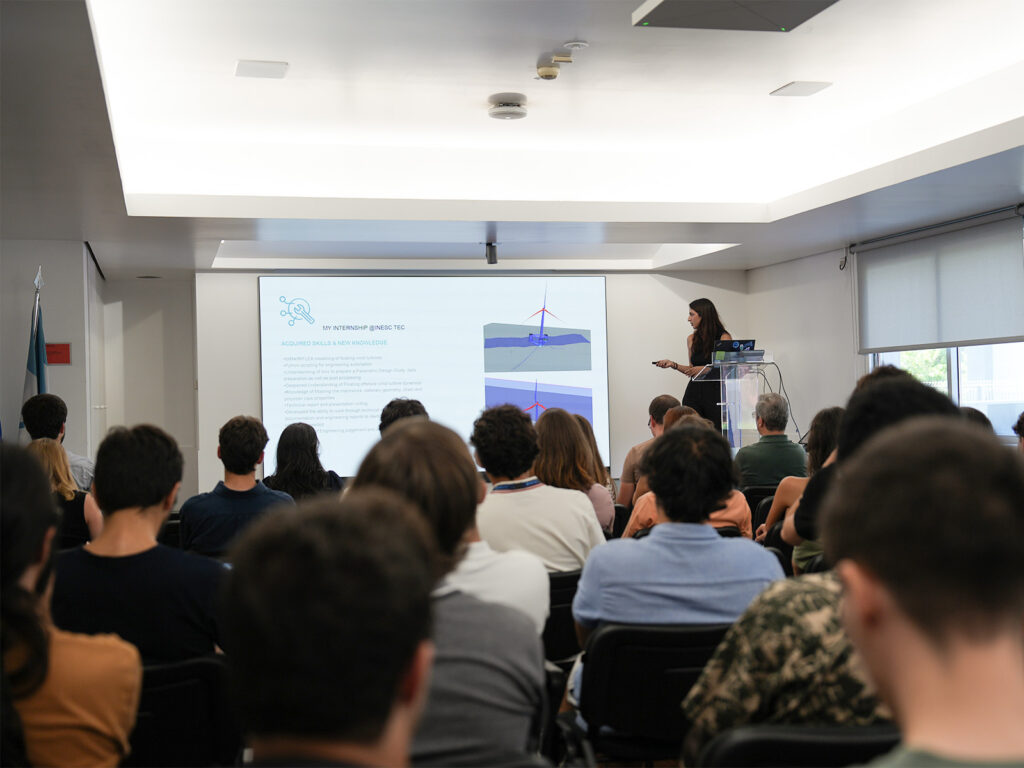
Before the wider discussion panel, Eduardo Silva had the opportunity to give a presentation on Advanced Maritime Mobility: Innovation and Development in Europe. The researcher not only showcased INESC TEC’s latest progress in marine robotics but also unveiled future perspectives in the field – including what he referred to as “underwater ports”.
“The sharing of experiences and perspectives on what the future of maritime operations might look like – from new approaches to deep-ocean mobility to disruptive concepts such as underwater ports – is essential to encourage advanced research,” stressed Eduardo Silva.
According to the researcher, this dialogue makes it possible “to combine the European vision with Asian technological ambition, creating fertile ground for solutions that may radically transform the way we explore, monitor, and benefit from ocean resources”.
The researcher mentioned in this news piece is associated with INESC TEC and IPP-ISEP.