Idea sharing or Post-it swapping? In October, INESC TEC organised a Workshop on Governance within the scope of INESCTEC.OCEAN. Combining presentations with roundtable discussions, the activities set the stage for a brainstorming session on potential organisational models for the future Centre of Excellence for the Ocean.
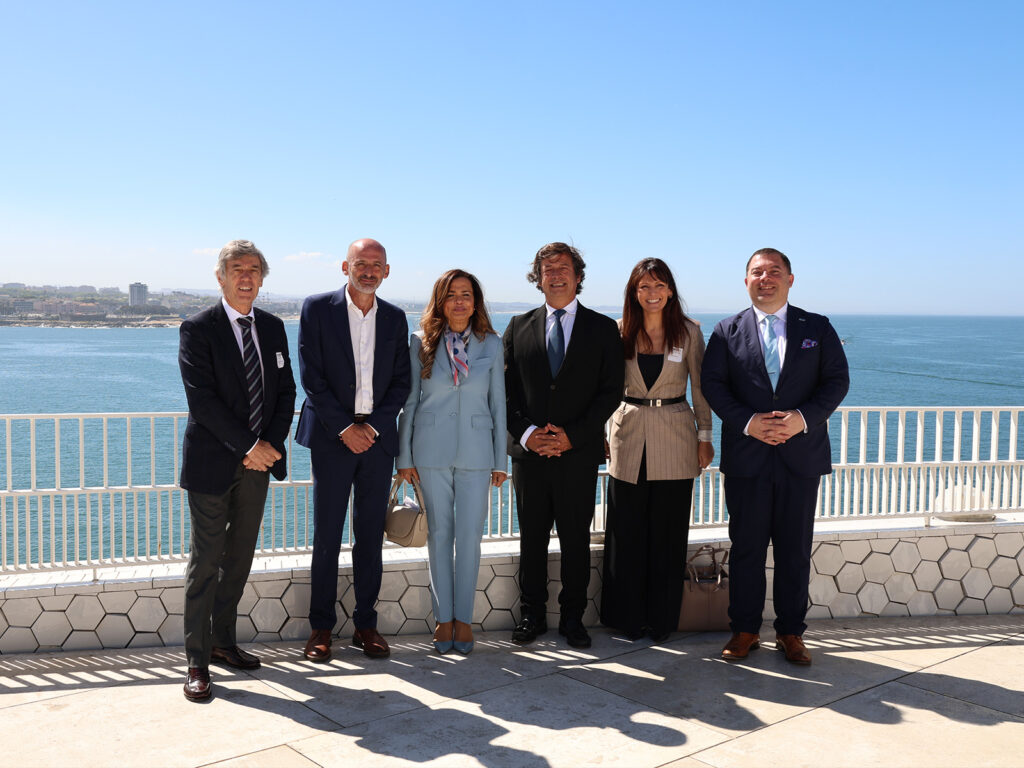
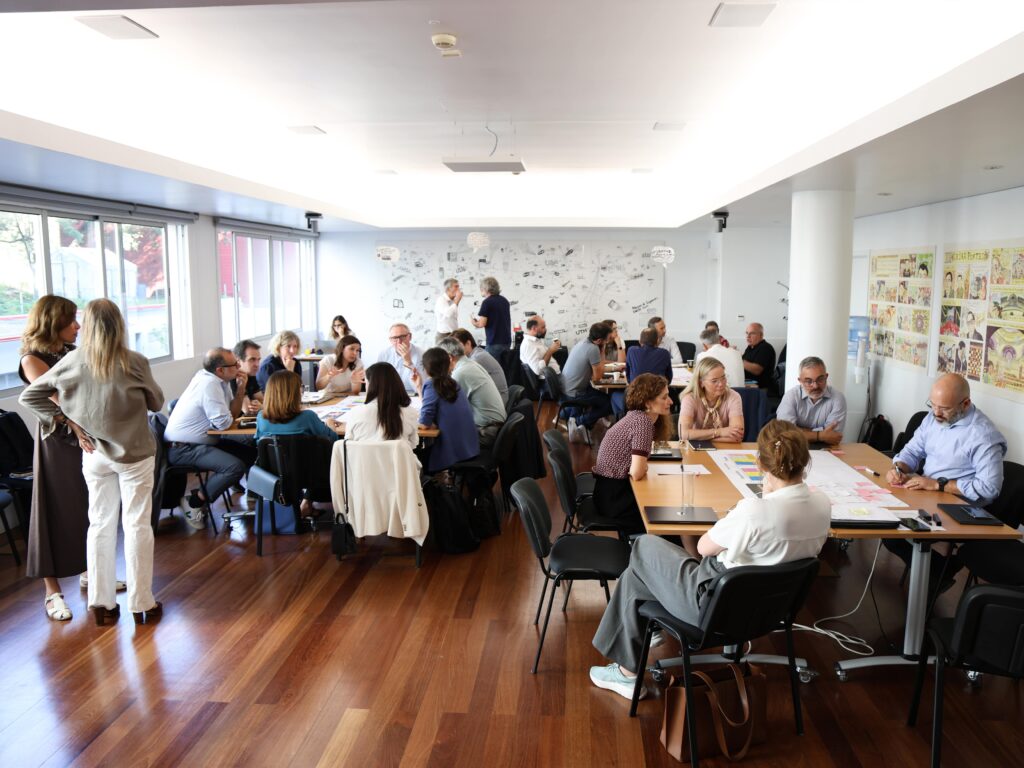
On 15 and 16 October, INESCTEC.OCEAN welcomed consortium partners for a workshop that brought together managers and representatives from INESC TEC, SINTEF, Fórum Oceano and APDL – Administração dos Portos do Douro, Leixões e Viana do Castelo. Together, they engaged in a debate and forward-looking exercise on how the Centre of Excellence might be structured and governed.
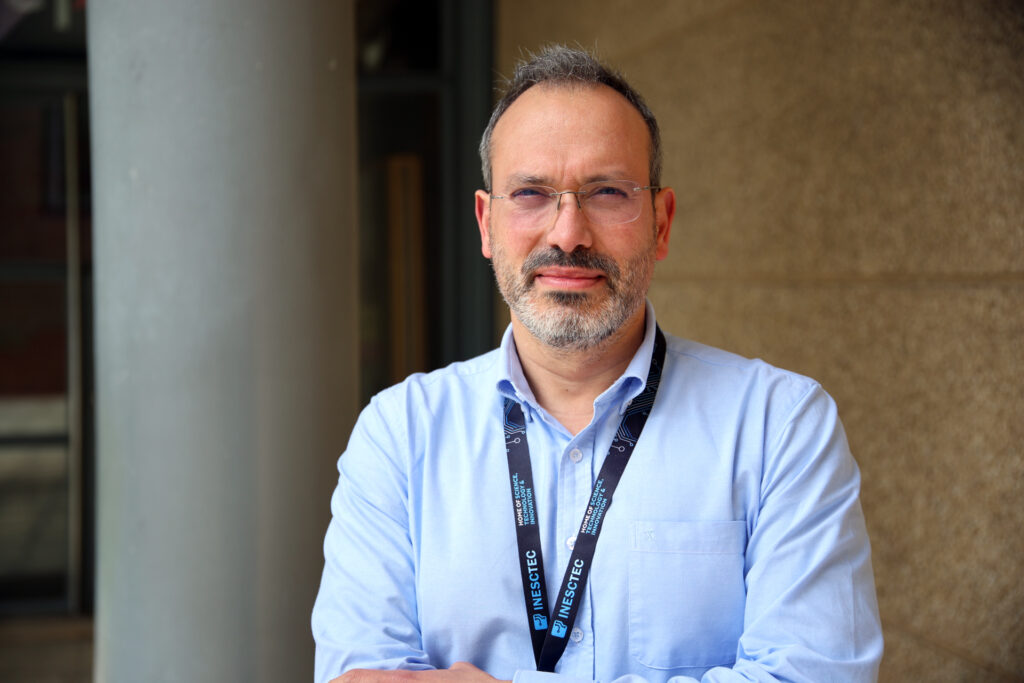
“This workshop allowed the team to brainstorm the external and internal factors that different governance models bring as advantages and disadvantages,” said Diana Viegas, head of INESCTEC.OCEAN.
According to the INESC TEC researcher, the activities “enabled a thorough analysis of what the Centre’s autonomy entails and what impact it could have at national and international level”.


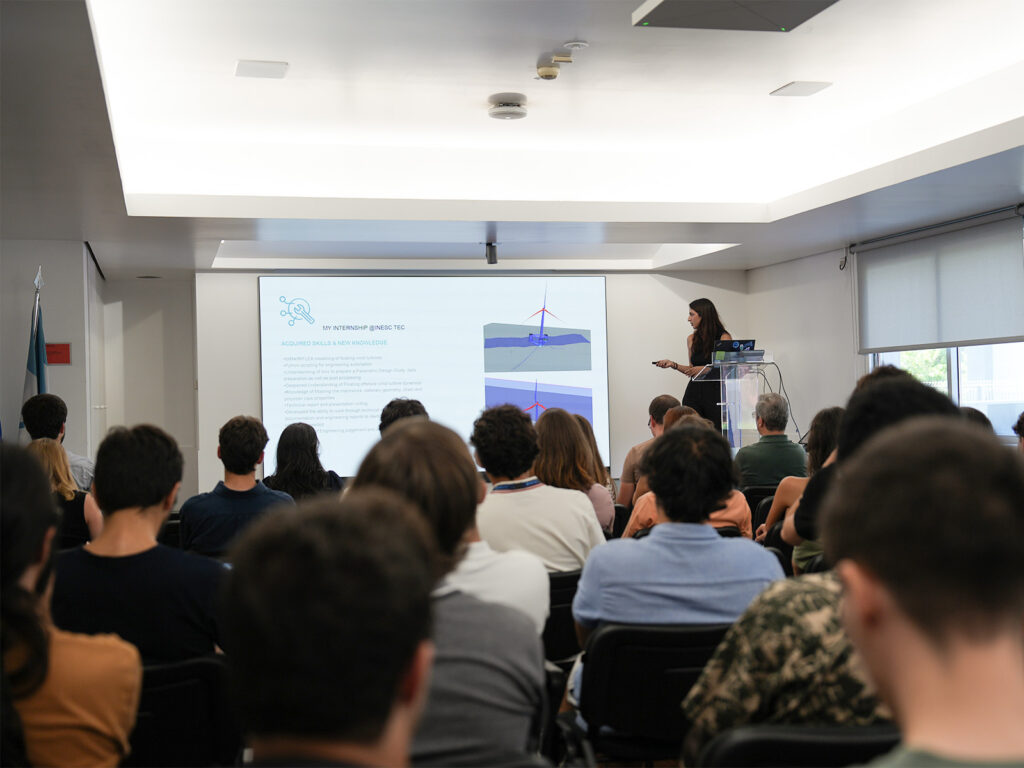
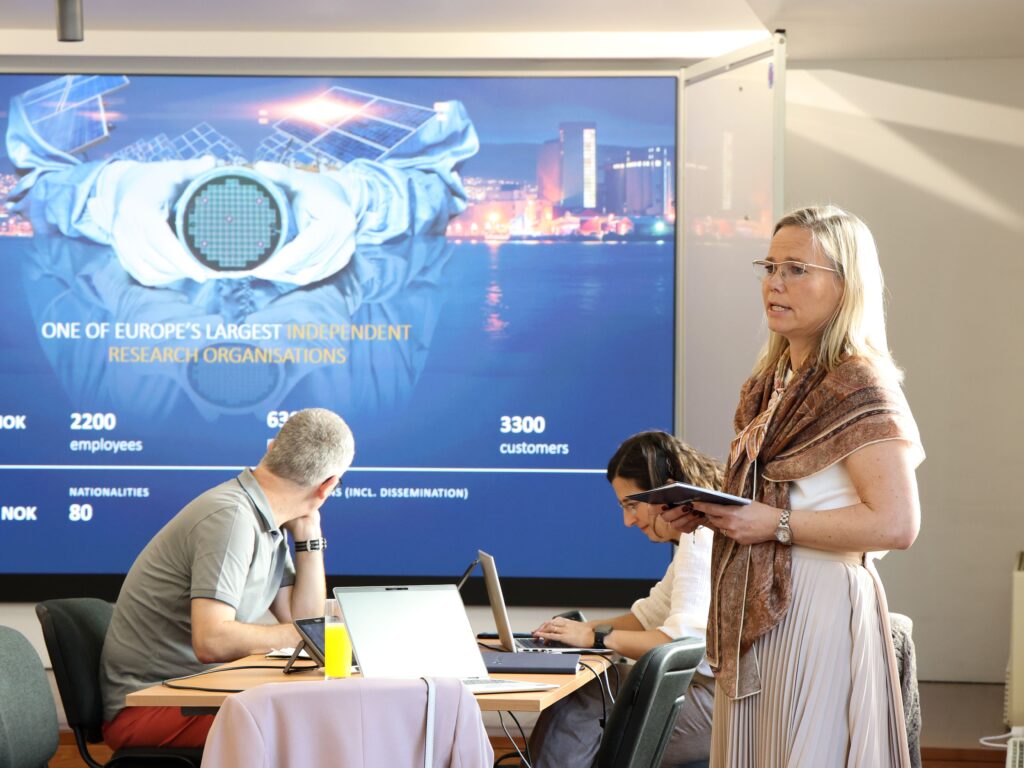
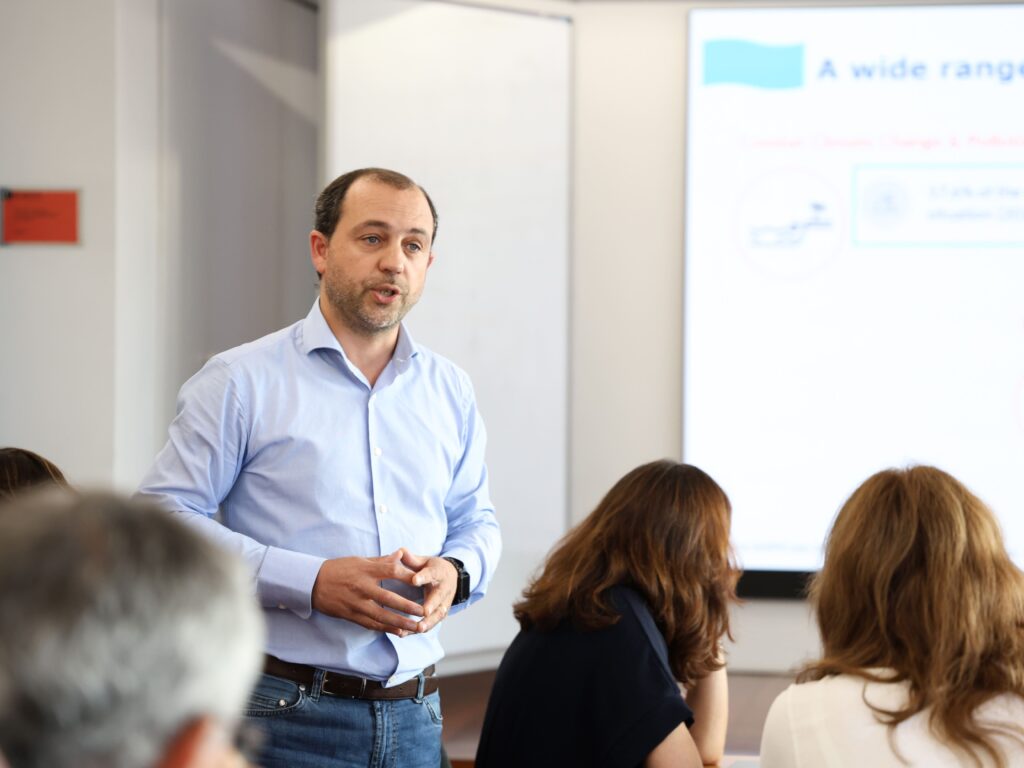
Both days opened with presentations from the institutions involved, focusing on internal organisation and institutional policies, e.g., human resources, access to EU funding mechanisms and intellectual property management.
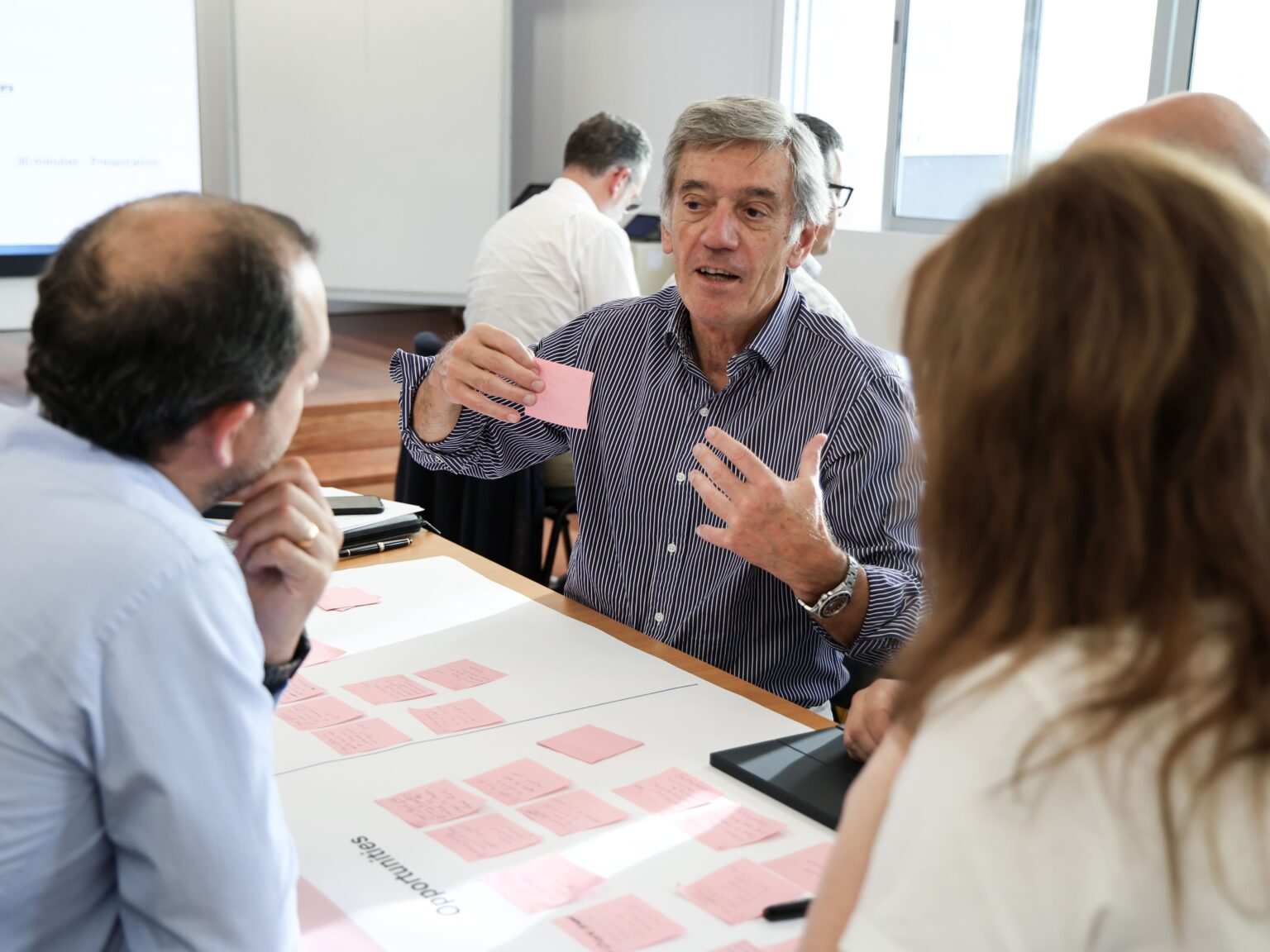
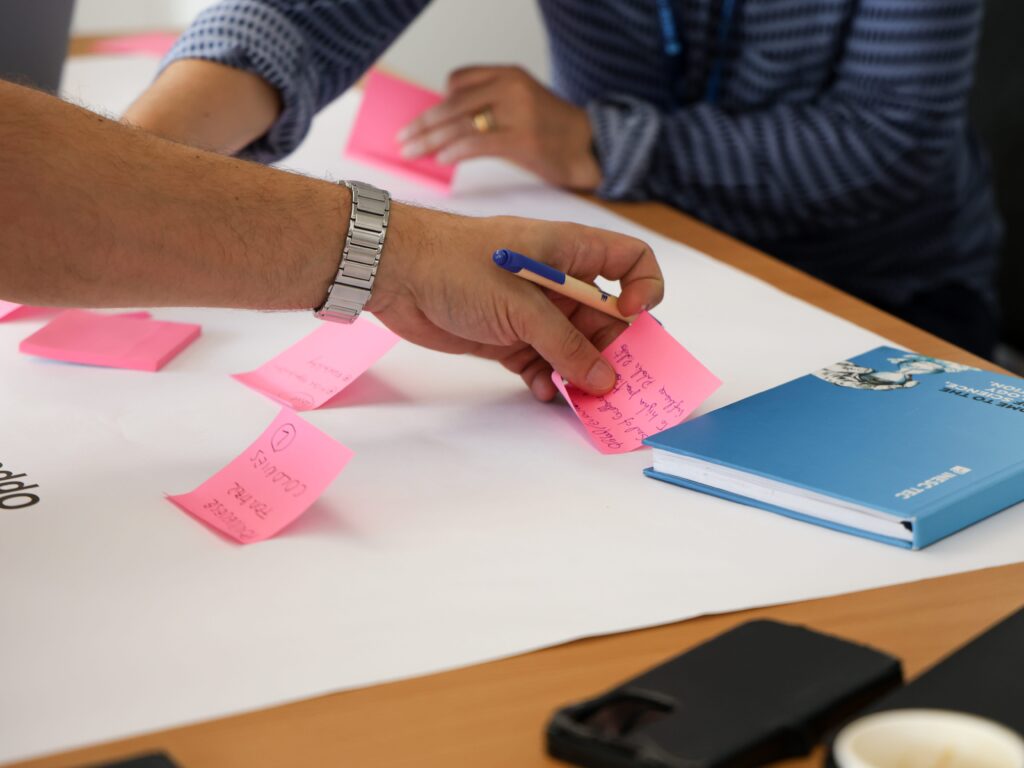
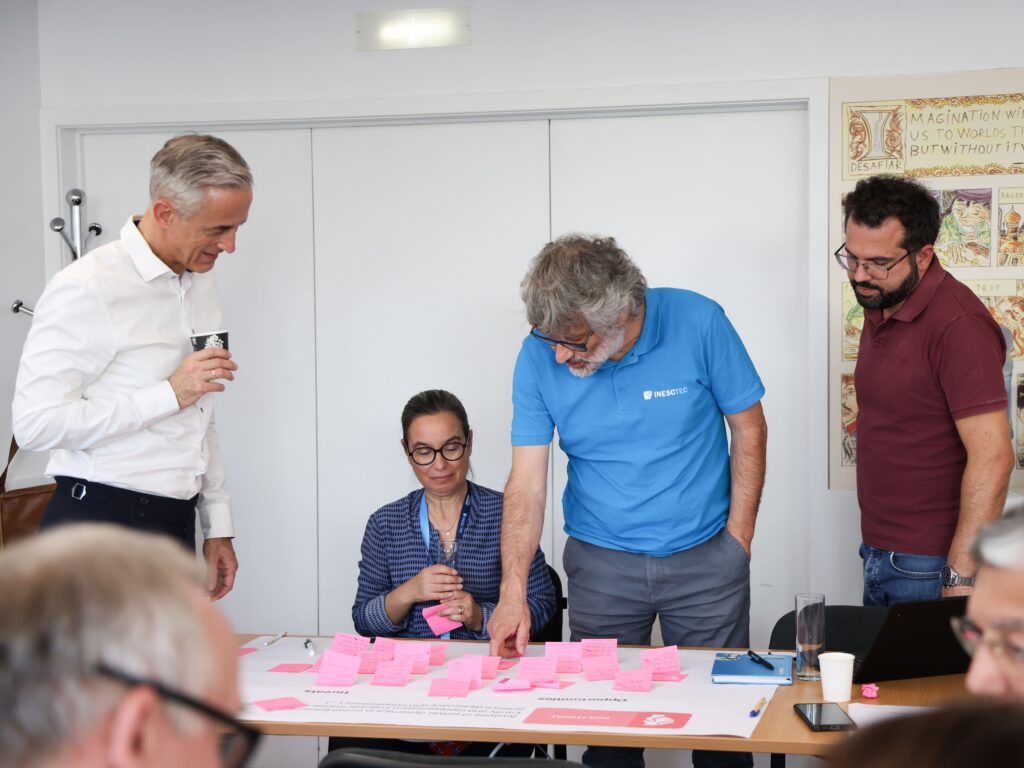
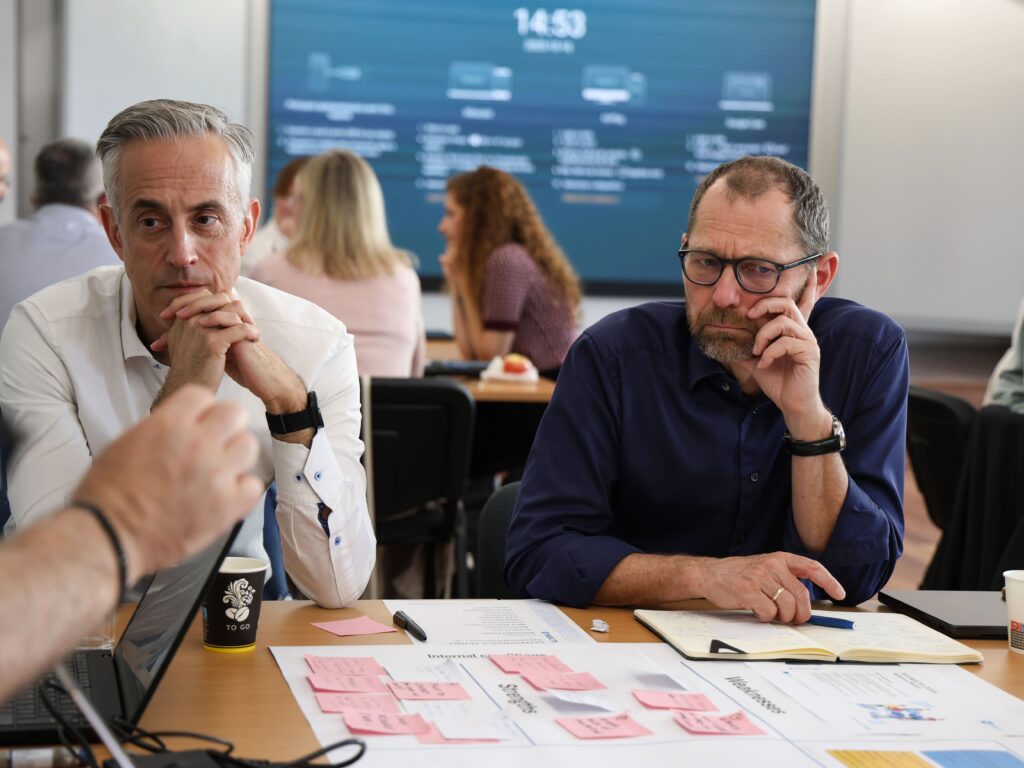
This was followed by roundtable sessions where participants, armed with pens and blank Post-it notes, reflected on hypothetical scenarios involving different levels of administrative autonomy for INESCTEC.OCEAN.
“Concerning SINTEF Ocean, it was important to present our approach to governance and human-resources policies, while also gaining a better understanding of the organisational models being considered for INESCTEC.OCEAN,” noted Merete Moldestad.
The Deputy CEO of SINTEF Ocean added that the “reflection on the strengths and weaknesses of different governance models was mutually beneficial” and that “these joint exercises strengthen collaboration within the consortium”. “By building broad consensus early in the process, it becomes easier for us to provide relevant contributions towards defining INESCTEC.OCEAN’s organisational model,” she said.
Filipe Martins also stressed that “these collective exercises improve collaboration”, while helping “anticipate challenges and structure solutions with an impact on the Blue Economy ecosystem”.
The Director for Innovation and Modernisation at APDL highlighted a discussion carried out with “realism and openness”, generating conclusions that “may serve not only INESCTEC.OCEAN, but also similar centres that may emerge in the future”.
Carlos Pinho, leader of the Portugal Blue Digital Hub (PBDH) and one of Fórum Oceano’s representatives, described a “very rewarding and productive workshop”, aimed at “motivating discussion, identifying common ground and beginning a more detailed and in-depth process of defining governance for the new INESCTEC.OCEAN Centre of Excellence”.
“The outcomes were highly promising, as they allowed us to deepen our understanding of each institution’s context, national frameworks and opportunities for new collaborations.”
Pinho, also leader of the Companhia de Energia Oceânica (CEO), added that he is “convinced that this type of exercise generates, in the medium and long term, strong multidisciplinary connections between institutions, strengthening networking and trust”.
“By aligning the different entities around the challenges ahead, the conditions are created for the country to benefit technologically and economically from this Centre of Excellence and from the reinforced partnership between Portugal and Norway,” he concluded.
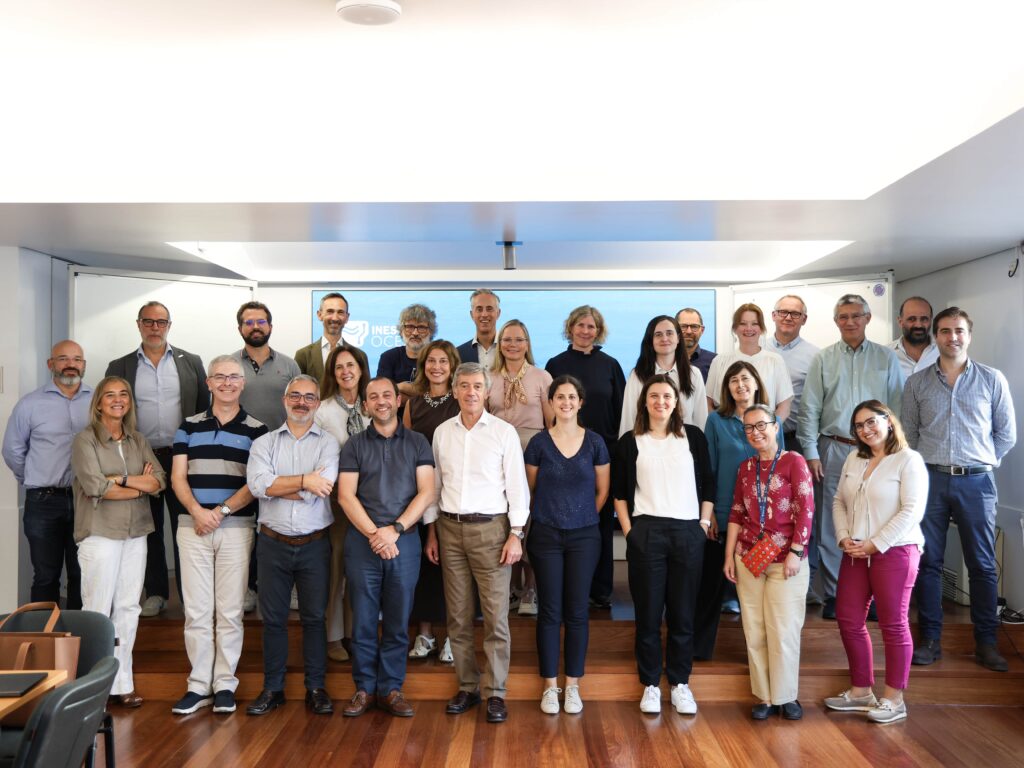
This was the first in a series of workshops promoted by INESCTEC.OCEAN, ensuring that all consortium members can contribute to defining the governance model best suited to the context and needs of INESC TEC.