We are living through a turbulent period marked by significant uncertainty about the future, due to various global conflicts. Fossil fuel prices have shown considerable volatility, with a strong upward trend, contributing to rising inflation and an increasing cost of living. Portugal has managed to cushion energy costs by making timely investments in the decarbonisation of electricity generation and in energy independence. We have seen electricity market prices remain below the European average due to the contributions of wind, solar photovoltaic, and hydropower generation.
The combination of these factors has made Portugal an attractive location for new investments with high electricity demand, particularly in emerging industries, data centres, and artificial intelligence. At the same time, we must invest in the modernisation of renewable power generation centres, especially wind farms built more than 20 years ago, thereby ensuring an increase in renewable energy contribution. However, this alone will not be sufficient to meet the demands arising from new investments and, consequently, to ensure compliance with decarbonisation targets.
Unlike many countries that view offshore opportunities as a means of increasing fossil fuel extraction, we, alongside our European counterparts, can set ourselves apart through the development of marine renewable energy. It is a path that must be pursued despite high initial costs and considerable uncertainty, but one with a strong likelihood of success — much like investments in renewable energy sources were two decades ago.
In this regard, INESCTEC.OCEAN is an initiative of great importance, as it could help reduce costs across several aspects related to the installation of offshore energy farms. Initially, through research and development, it can facilitate the creation of computational tools for the optimised design phase of these new infrastructures. This stage will enable investors to understand the optimal composition of multi-technology energy parks, determine the ideal layout through multi-criteria analysis, and assess the need for additional devices, whether for compliance with grid codes or for energy storage purposes.
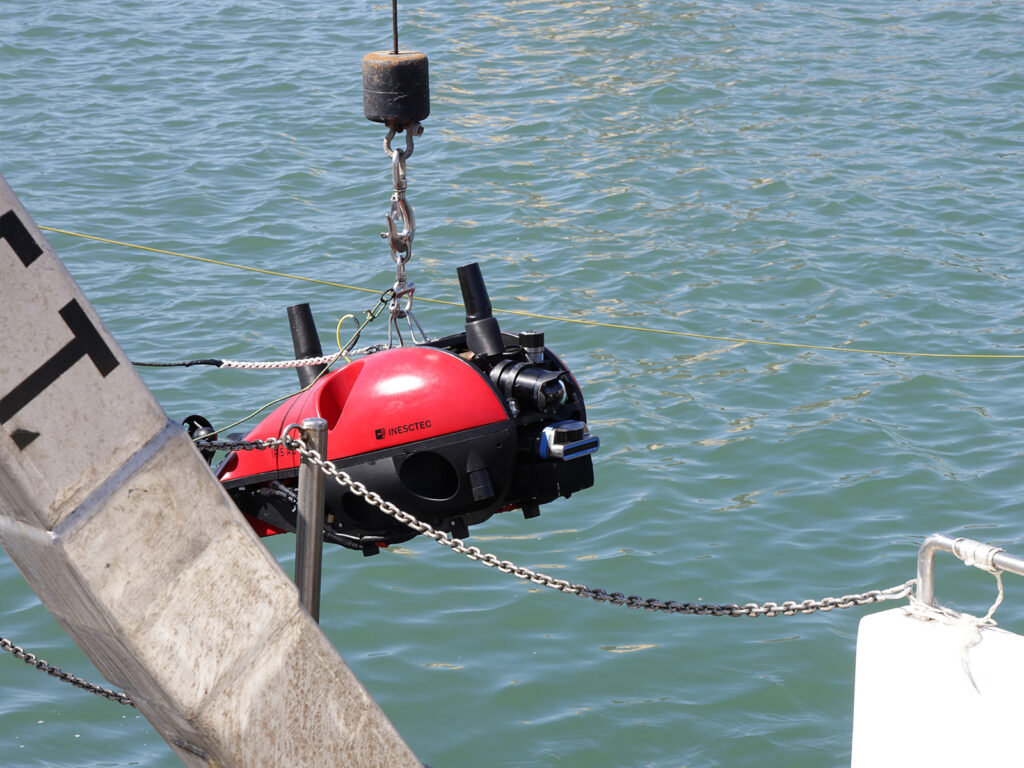
From another perspective, INESCTEC.OCEAN’s role will involve the testing and validation of concepts at full scale, making use, at different stages, of the Hub Azul Leixões infrastructure and, at a later moment, the Aguçadoura test site. In both cases, prototypes can be tested and connected, allowing their integration with different energy conditioning and management systems.
Furthermore, INESCTEC.OCEAN could also serve as a platform bringing together different stakeholders with complementary expertise, which is essential for completing the value chain needed for the development of large-scale offshore wind projects. Such a strategy could position national industry to replicate this experience in other countries, as successfully occurred with the wind energy cluster, generating a highly positive economic impact for Portugal.
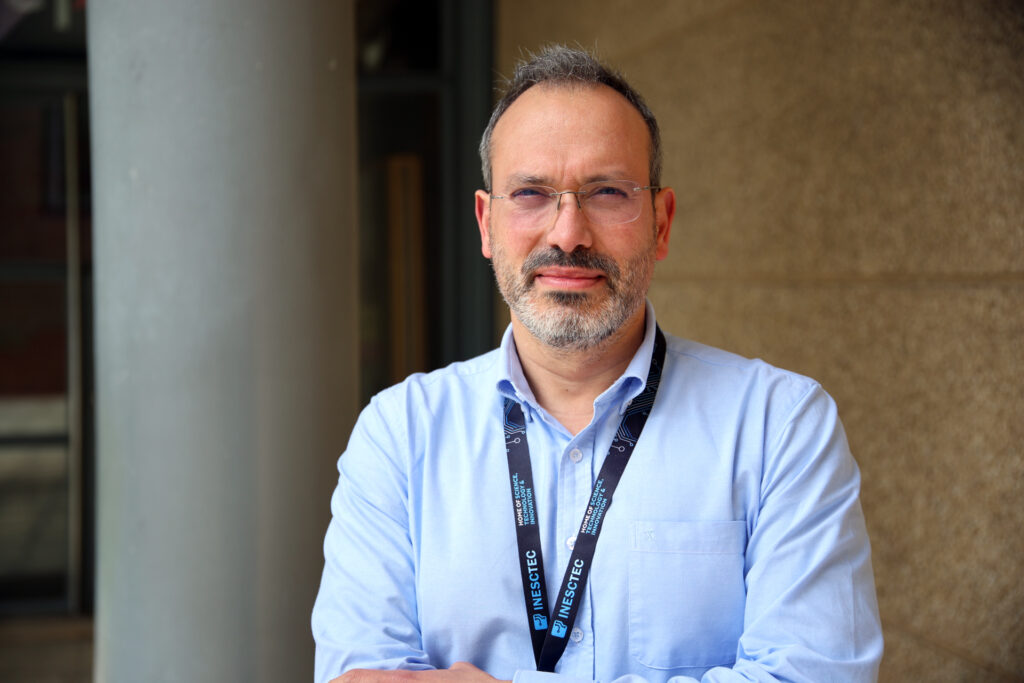
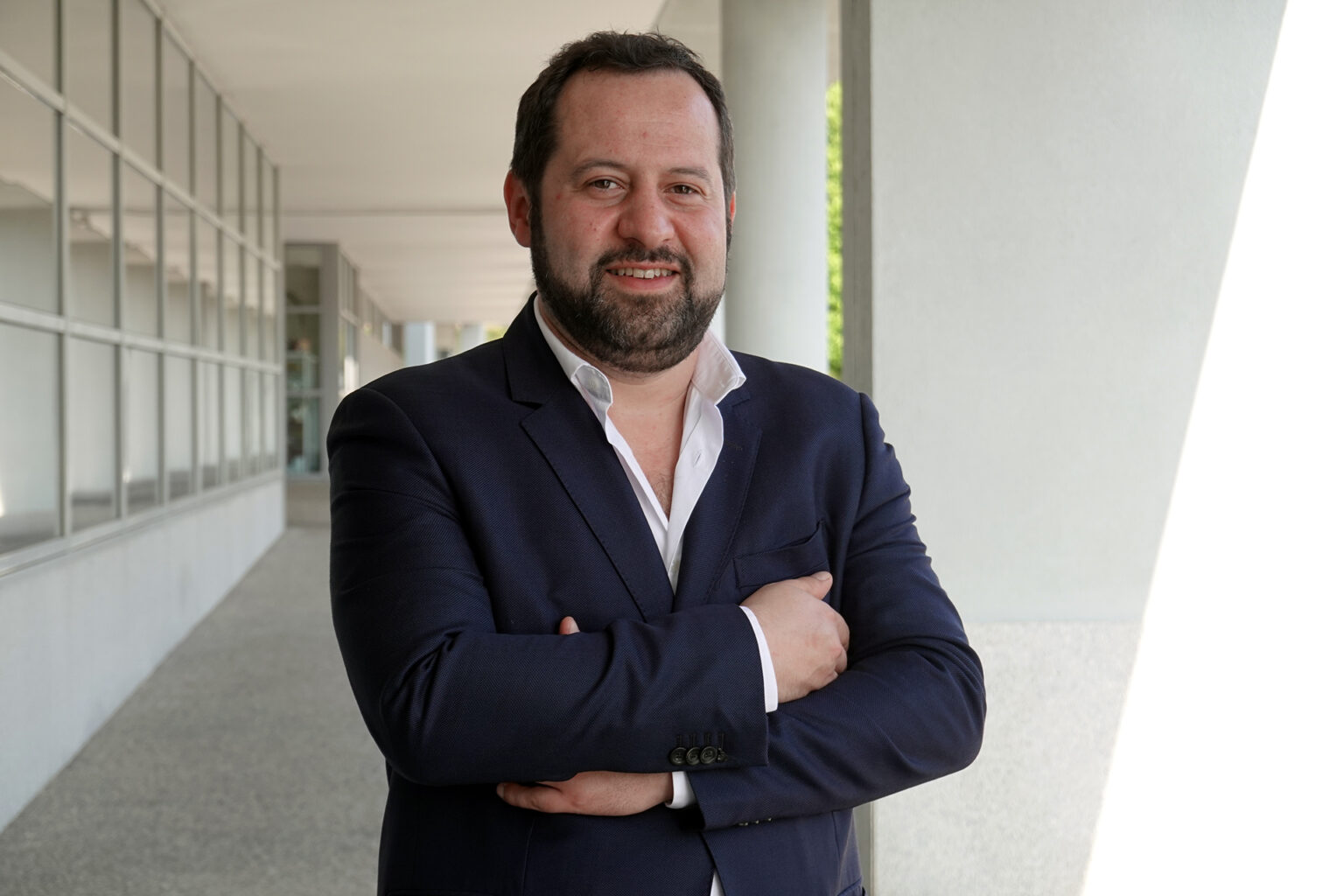
Bernardo Silva, senior researcher and head of Renewable Energies at INESC TEC