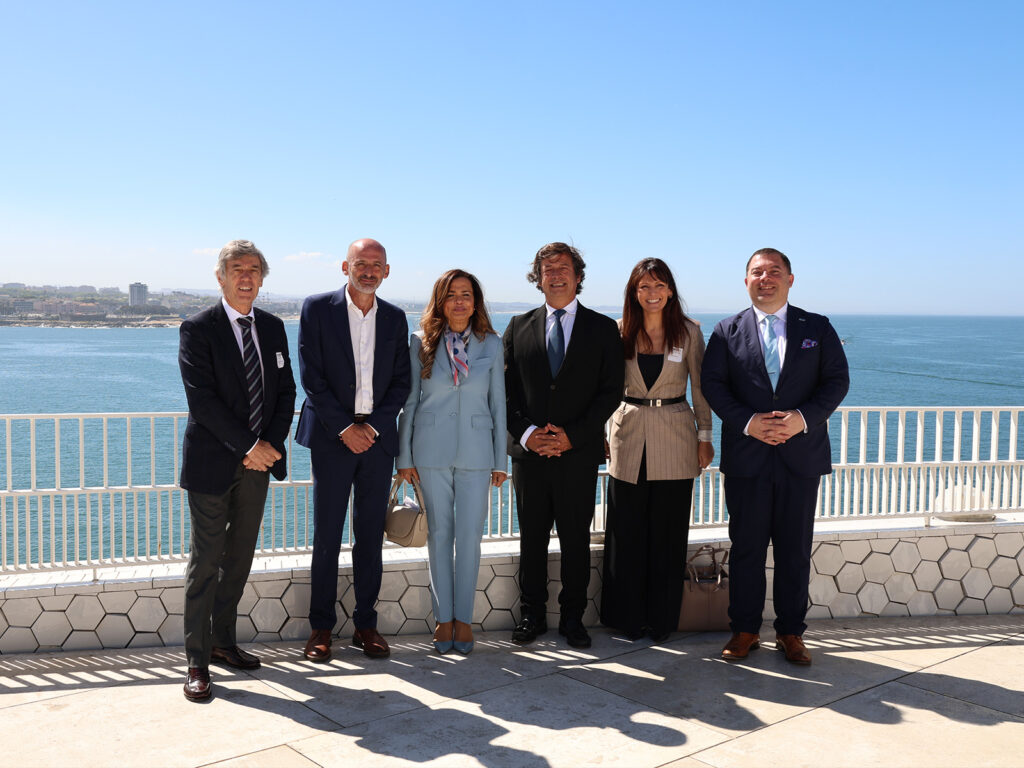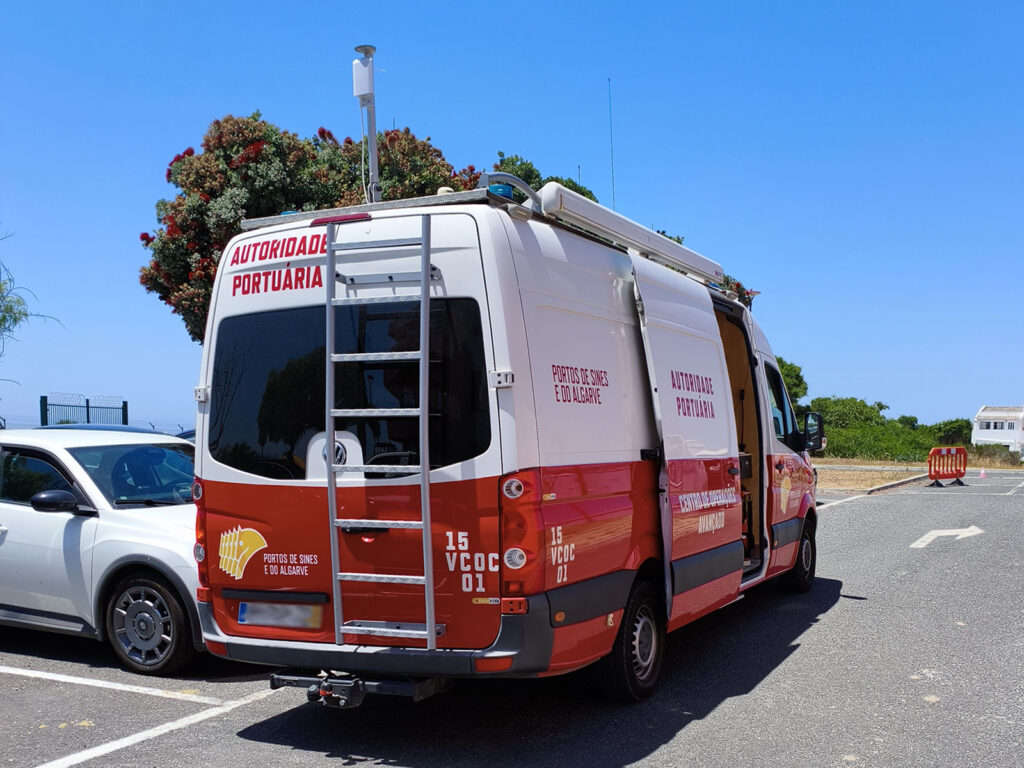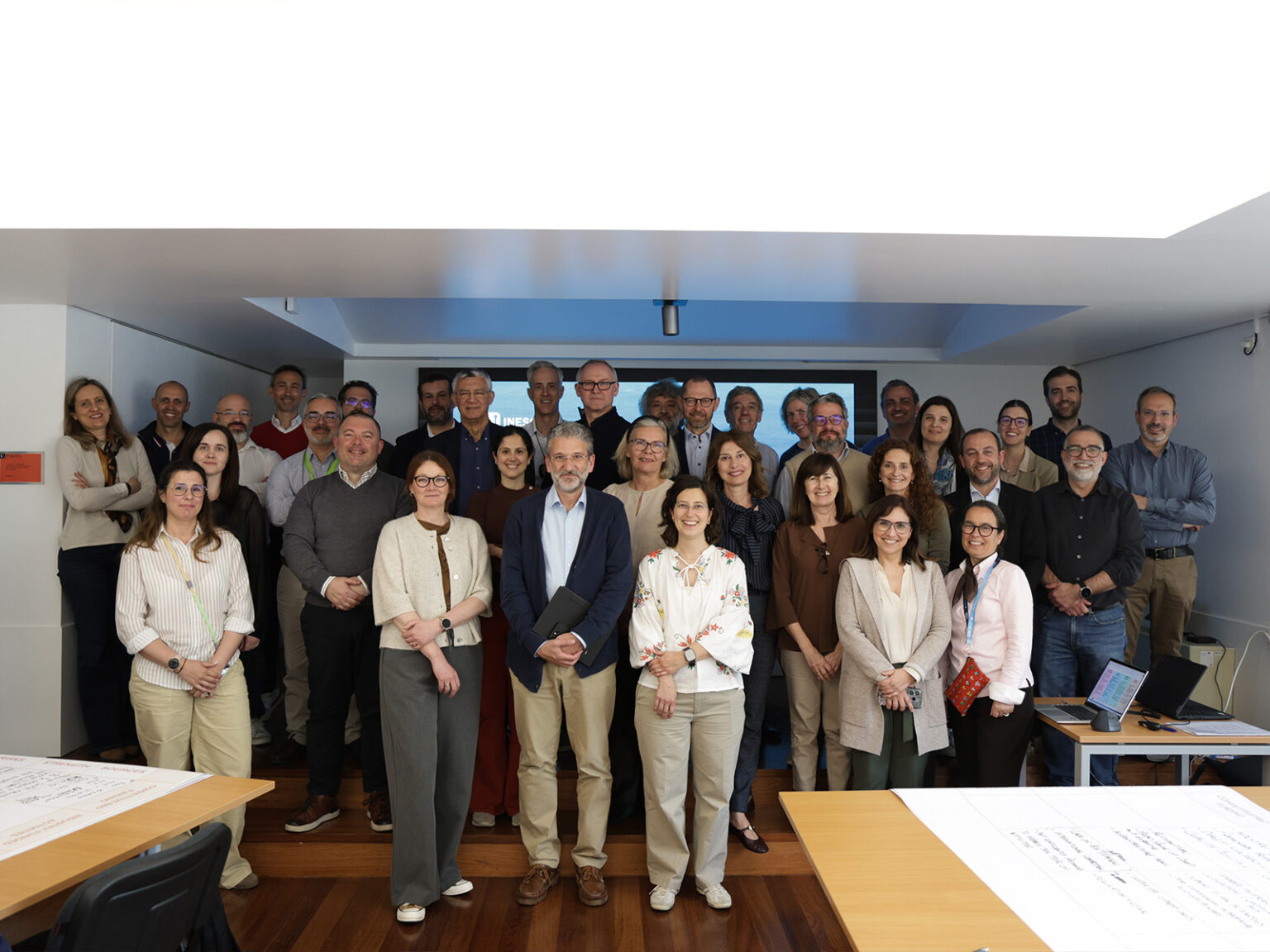
In another edition of the Governance Workshop, the Centre of Excellence led by INESC TEC explored the vision, mission and strategic lines of action to generate impact across the many ocean-related domains. From the environment to society, focusing on policy and the Blue Economy, INESCTEC.OCEAN and its partners left the session with a clearer perspective on the course to follow towards transforming Portugal’s Blue Economy.
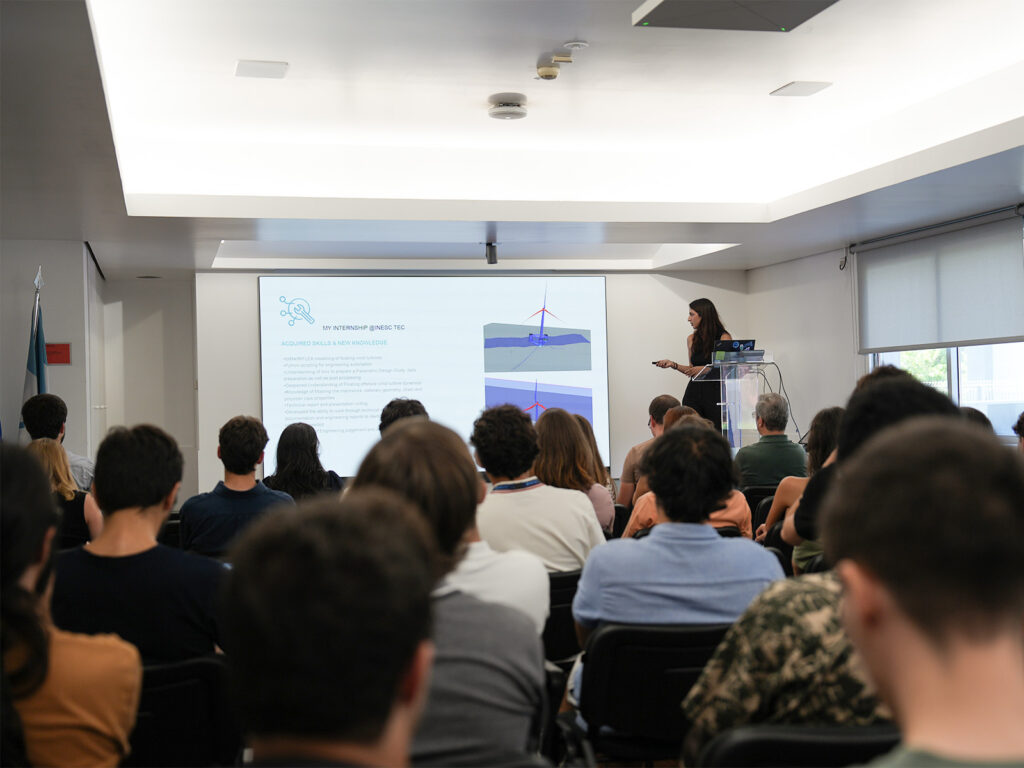
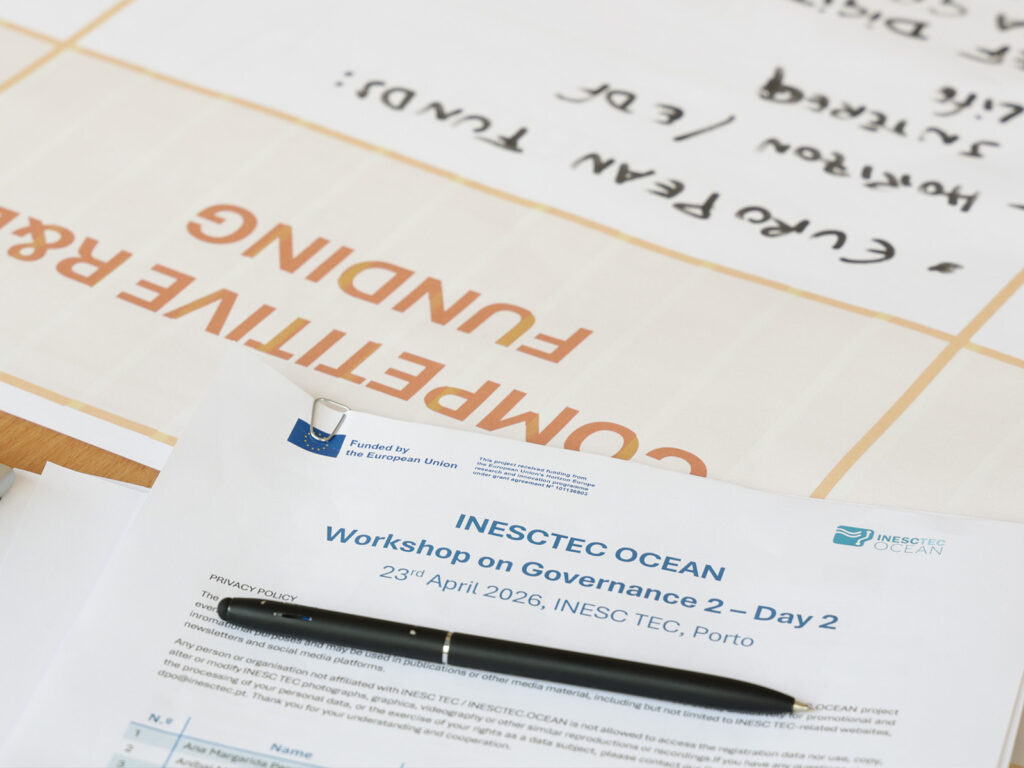
In late April, INESC TEC welcomed participants to a new edition of the INESCTEC.OCEAN Workshop on Governance. The Centre of Excellence team, the Institute’s management, consortium partners and other participants returned to the working tables to focus on “the development of a value proposition”, explained Marta Barbas, a member of the management team responsible for the Governance Strategy of INESCTEC.OCEAN.
“Revisiting the concepts of mission, vision and value proposition was an essential strategic exercise to ensure that the Centre of Excellence maintains a clear and distinctive identity that addresses future challenges and opportunities” within the blue ecosystem, highlighted Marta Barbas.
The Executive Assistant to the INESC TEC Board of Directors mentioned that the work carried out over the two-day workshop “helped consolidate the Centre’s collective purpose” and “reinforced the relevance of its scientific, technological and societal contribution”.
“It was an opportunity to bring people, objectives and strategic priorities together, ensuring a common direction and a consistent, shared approach for the future of the Centre,” she emphasised.
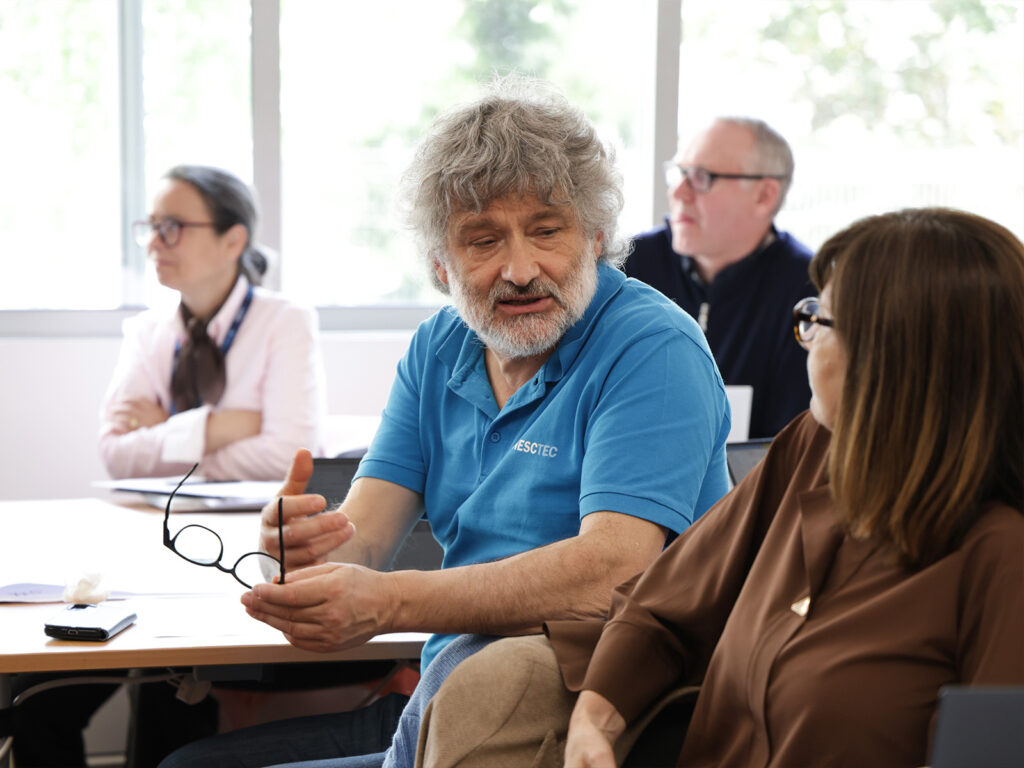
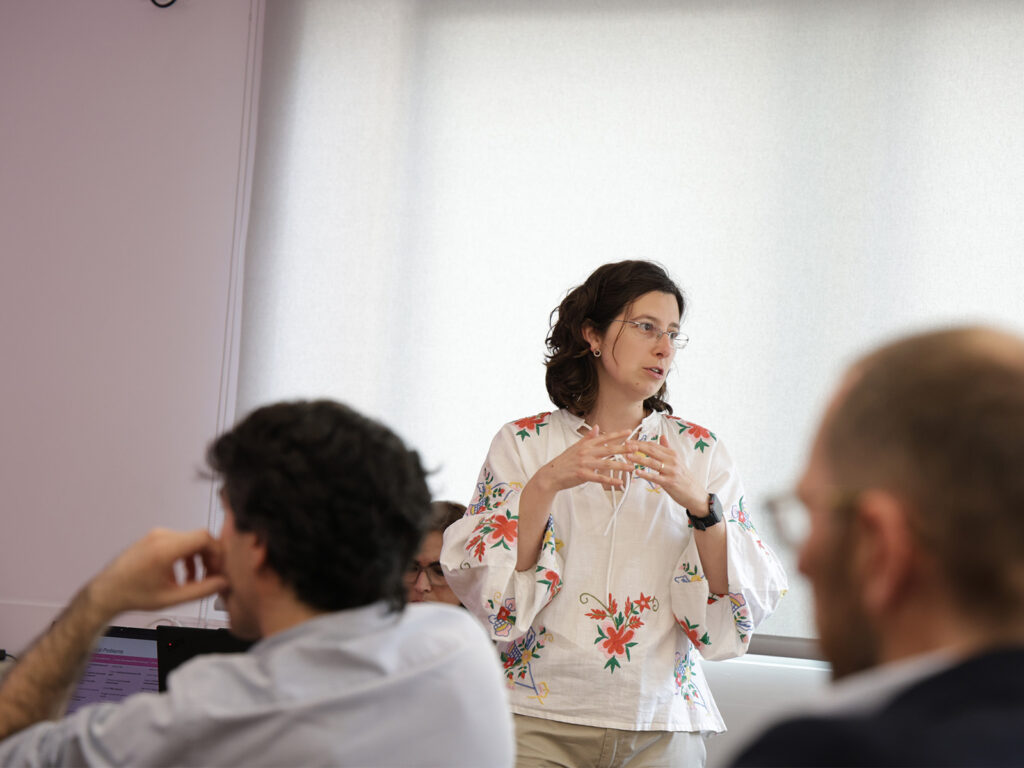

According to Diana Viegas, Coordinator of INESCTEC.OCEAN, the work developed will be “continuous and constantly revisited” following this workshop. “Particularly regarding the value proposition, the outcome obtained was still embryonic and based on input from consortium partners. We will need to carry out the same analysis with our beneficiaries and stakeholders,” she stated.
Marta Barbas also shares this opinion, highlighting that “this is not a crystallised piece of work, but rather a process of continuous consolidation”. According to the Governance Strategy lead at INESCTEC.OCEAN, the concepts of mission, vision and value proposition discussed “must evolve in line with the maturity of the Centre, scientific and technological challenges, partners’ needs and the dynamics of the ecosystem in which the Centre operates”.
The presence of consortium partners – SINTEF, APDL, and Fórum Oceano – once again proved essential. “The external perspectives we receive provide us with a clear view of governance and internal organisational models that differ from those currently adopted by INESC TEC,” explained Diana Viegas. The INESC TEC researcher mentioned that the insights gathered will contribute to shaping “the future governance model for INESCTEC.OCEAN”.
The participation of partners “brought complementary perspectives, practical experience and a broader view of the sector’s challenges and opportunities, enriching the strategic reflection and helping validate positioning choices, priorities and areas of action” for INESCTEC.OCEAN, emphasised Marta Barbas.
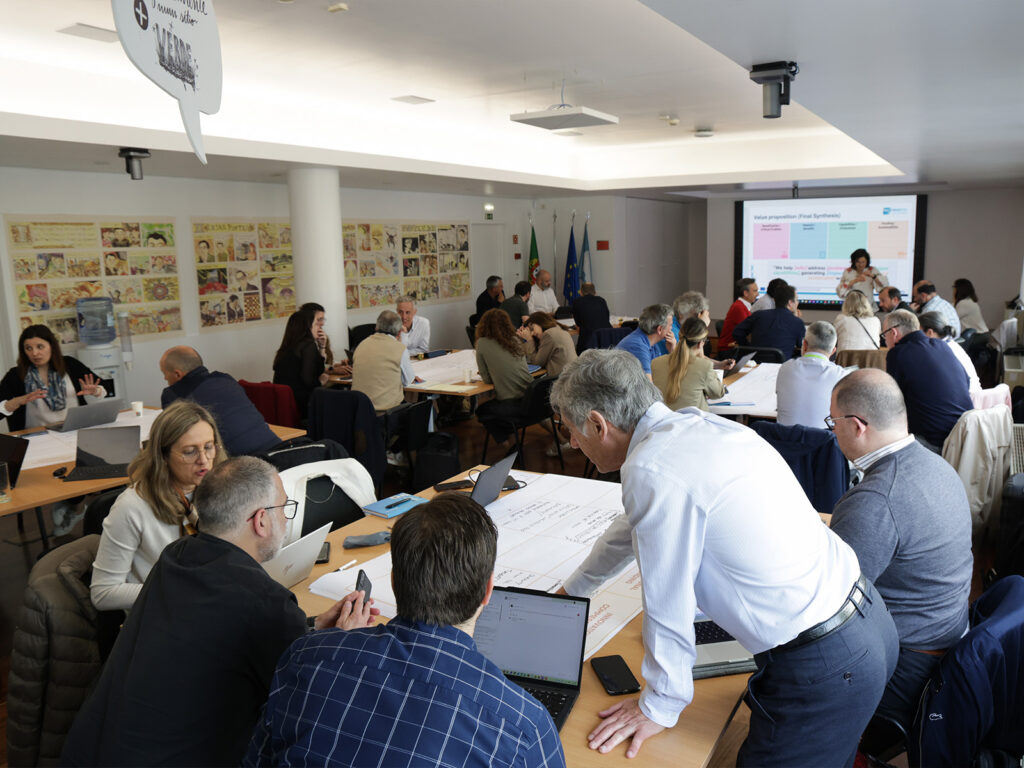
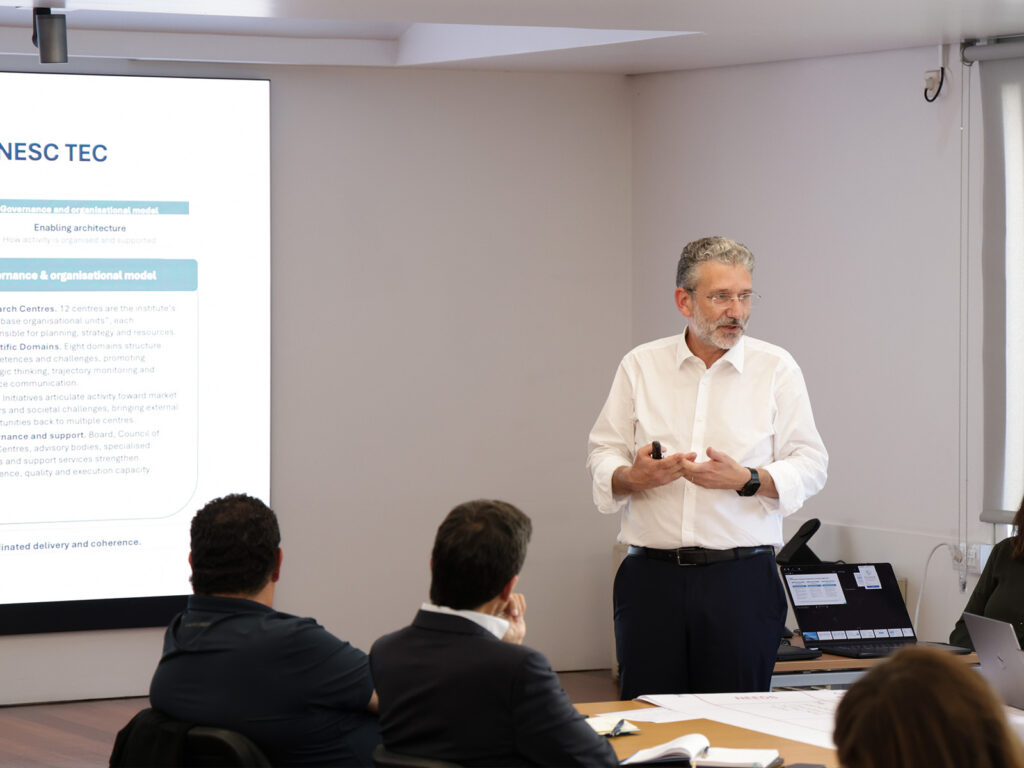
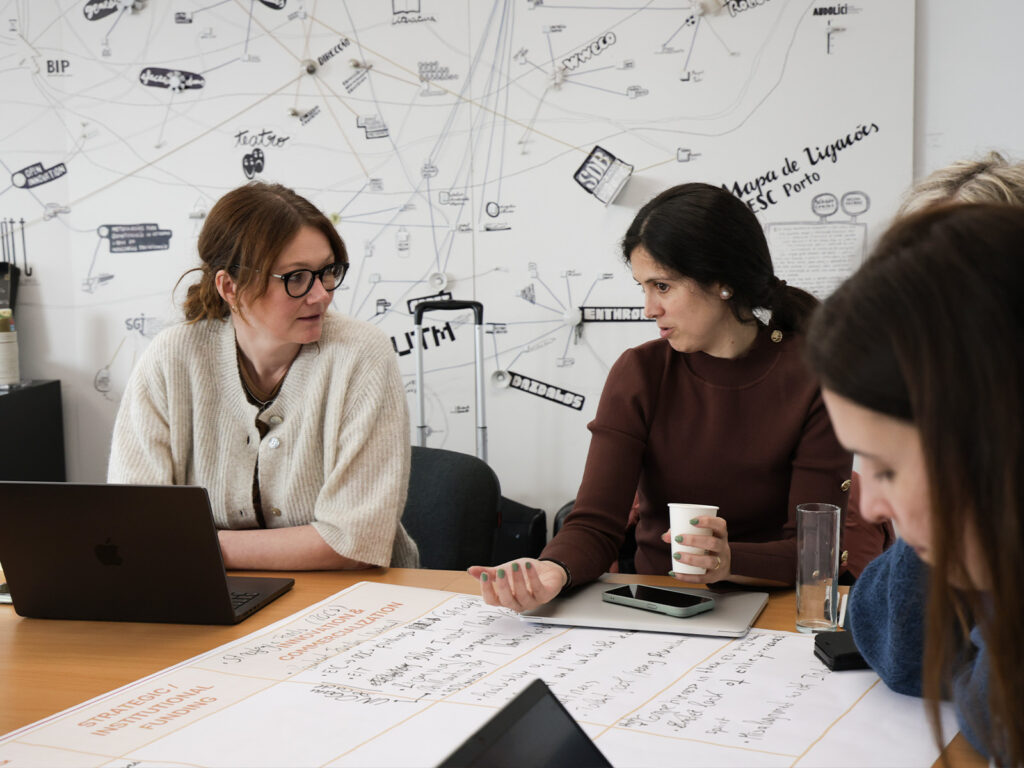
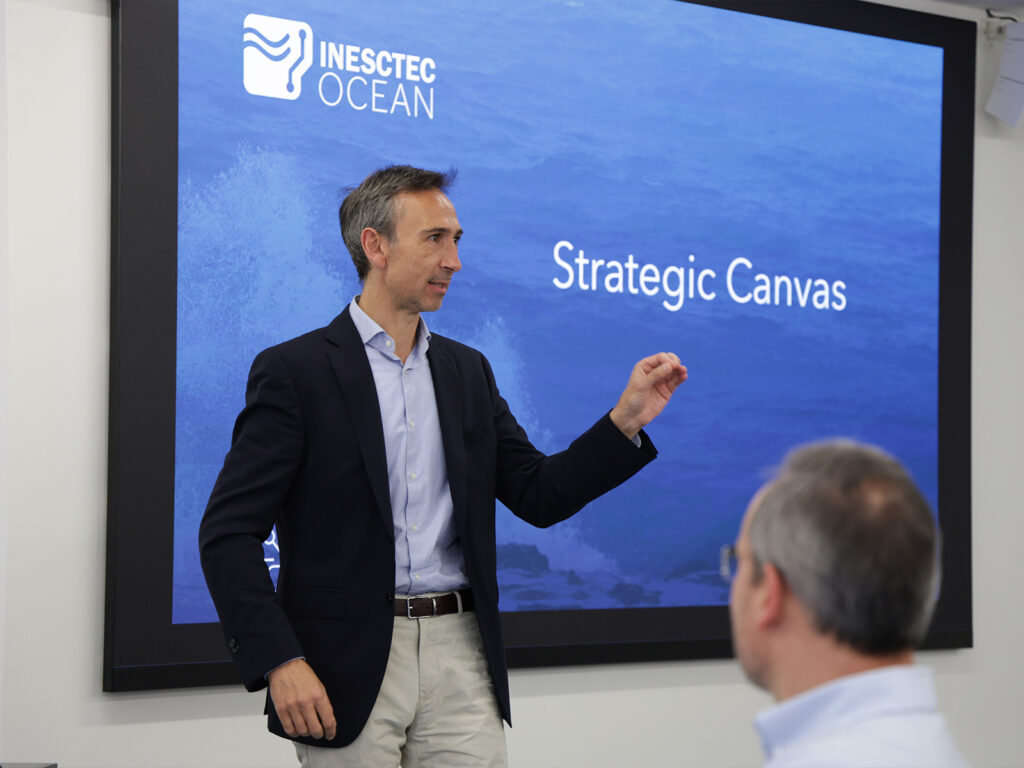
Ultimately, the work carried out during the most recent workshop made it possible to “establish a starting point”, underlined Marta Barbas. “Workshops of this nature will allow us to move towards a concrete discussion on how to operationalise the Centre of Excellence’s ambitions, creating solid foundations for a robust, collaborative and sustainable governance model.”
Following this second event – and a first edition focused specifically on the organisation and structuring of INESCTEC.OCEAN – future workshops are expected to “delve deeper into operational and decision-making topics” of Portugal’s first Centre of Excellence in Ocean Research and Engineering.